Hey there, amazing yogis and aspiring instructors! If you’re anything like me, you probably got into yoga because you fell head over heels for the practice itself – the way it connects mind, body, and spirit, and how it just makes you feel… *alive*.
But let’s be real, turning that passion into a thriving career in today’s world requires so much more than just mastering your asanas. I’ve seen firsthand how the yoga landscape has transformed, especially with the rise of online platforms and a deeper global focus on holistic well-being.
It’s no longer enough to simply guide students through poses; successful teachers in 2025 and beyond are truly multidimensional. They’re blending traditional wisdom with modern business savvy, embracing technology, and really honing those ‘soft skills’ that create genuine connections.
I mean, think about it – how do you make an online class feel as intimate as an in-person one? How do you stand out in a sea of incredible talent? These are the questions that keep us passionate instructors both challenged and excited!
From understanding advanced anatomy to building an authentic online presence and even knowing when to specialize, the practical skills you need today might surprise you.
If you’re ready to truly elevate your teaching and create a sustainable, impactful career, then you’re in the right place. Let’s dive right in and uncover the essential techniques that will set you apart.
Beyond the Asana: Cultivating Authentic Connection
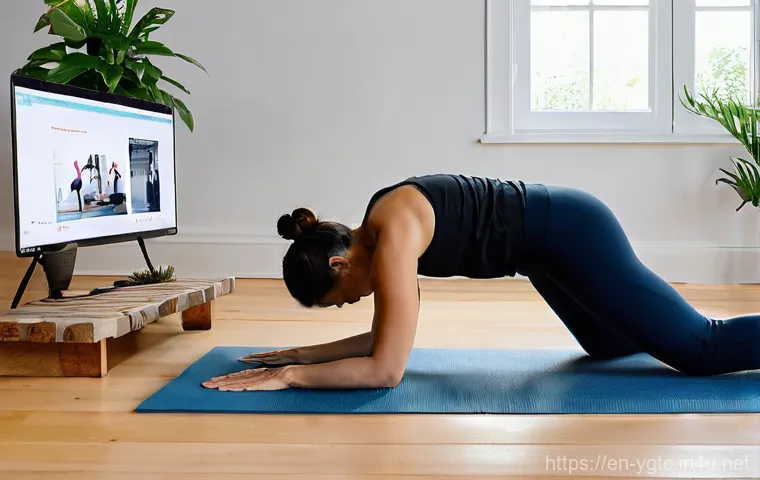
You know, when I first started teaching, I was so focused on getting the cues right, memorizing sequences, and making sure my alignment was impeccable.
And don’t get me wrong, those things are absolutely crucial! But what I quickly learned, and what truly sets a memorable teacher apart, is the ability to connect.
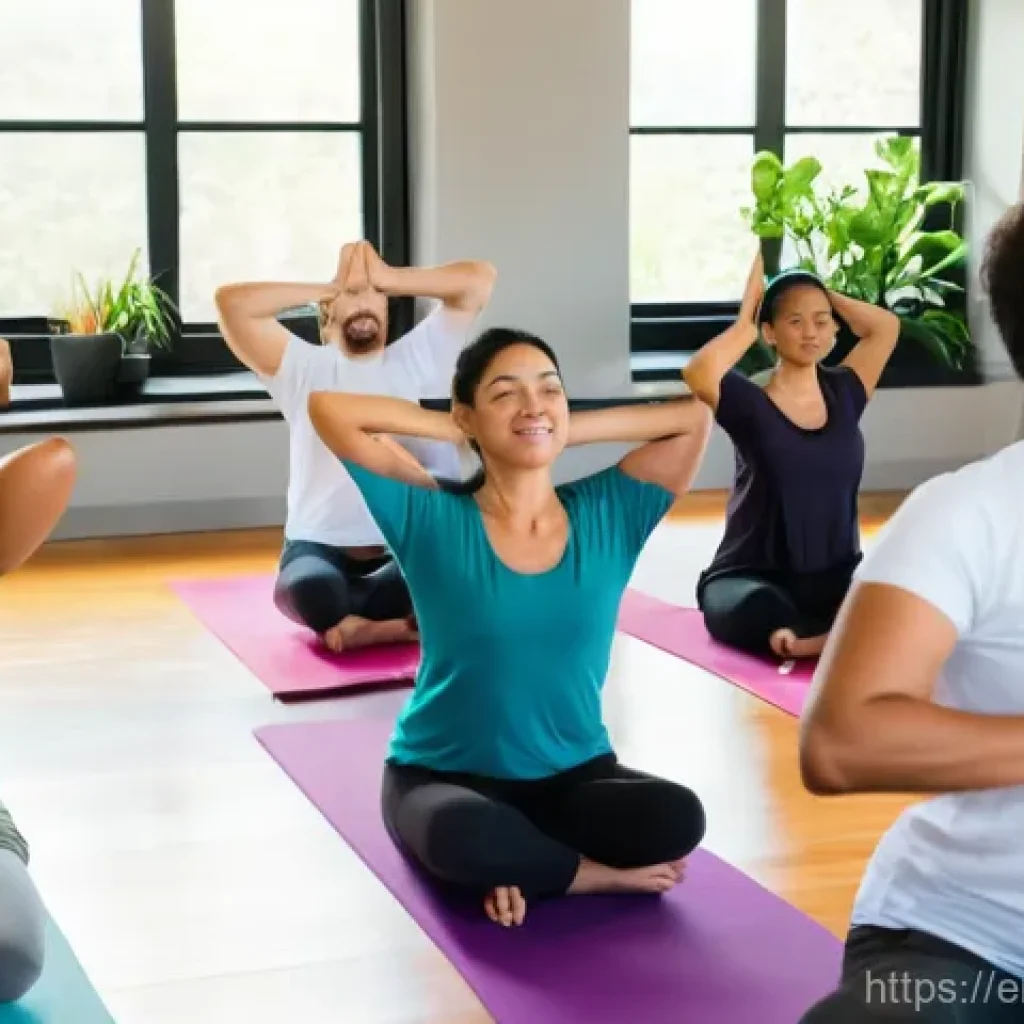
It’s that unspoken understanding, the shared breath, the feeling that you’re not just guiding a class, but building a little community, even if it’s just for an hour.
I’ve found that when students feel seen, heard, and genuinely connected to you, they don’t just come back for the poses; they come back for the experience, for the feeling of belonging.
This connection isn’t just about being friendly; it’s about deep empathy, observation, and creating a safe space where everyone feels comfortable to explore their own practice, exactly as they are.
It’s a delicate dance of leading and listening, of sharing your knowledge while also honoring their journey. This is where the magic truly happens, where the physical practice transcends into something profoundly personal and transformative.
Building Community, One Breath at a Time
Building a vibrant community around your classes isn’t just good for business; it’s incredibly rewarding for the soul. I remember one time, after teaching a particularly challenging flow, a student lingered to tell me how much she appreciated the inclusive atmosphere.
She mentioned that in other studios, she often felt like an outsider, but in my class, she felt like she’d found her tribe. That feedback stuck with me because it highlighted something I deeply value: creating a space where everyone feels welcome.
It’s about remembering names, checking in before and after class, and even fostering connections *between* students. Small gestures, like suggesting a coffee spot nearby after a Saturday morning class or creating a simple online forum for sharing insights, can truly make a difference.
It makes people feel like they’re part of something bigger than just a yoga class – they’re part of a movement, a supportive network. These genuine relationships are the bedrock of a thriving yoga career, far more impactful than any fancy studio or advanced pose.
The Power of Presence: Reading the Room (and the Screen)
Being present is probably the most underrated skill a yoga teacher can have. Whether you’re in a bustling studio or staring at a grid of faces on a Zoom screen, your ability to truly *see* and *feel* what’s happening in the room (or virtual room) is paramount.
I’ve learned to develop a sort of sixth sense for energy shifts, for the subtle signs that someone might be struggling, or that the group needs a moment of stillness.
It’s about listening not just to their words, but to their bodies. Is someone holding their breath? Is their expression strained?
In an online setting, this means becoming a master of reading body language through a small window, adjusting your cues to be extra precise, and even inviting check-ins in the chat.
My goal is always to make everyone feel seen, even if I can’t physically adjust them. It’s about adapting on the fly, offering variations instinctively, and responding to the collective energy.
This level of attunement transforms a generic class into a deeply personalized and impactful experience.
Mastering Your Digital Dharma: Thriving in the Online Space
Let’s be honest, the yoga world has gone digital, and there’s no going back. When the world shifted, I, like many of you, found myself scrambling to figure out how to translate the intimacy of an in-person class to a screen.
It felt like learning a whole new language, but what an incredible opportunity it has become! The online space isn’t just a fallback; it’s a powerful avenue to reach students across the globe, build a diverse community, and even create a more flexible teaching schedule for yourself.
I’ve personally seen my reach expand exponentially, connecting with students I would never have met otherwise, from different time zones and walks of life.
It’s about more than just hitting record; it’s about crafting an intentional digital presence that reflects your unique teaching style and creates a sense of closeness, even when you’re miles apart.
This involves understanding a bit about digital marketing, tech tools, and how to keep your students engaged when they’re in their living rooms. It’s a steep learning curve, but oh-so-worth it.
Crafting an Irresistible Online Presence
Your online presence is essentially your virtual studio, your digital handshake with potential students. It’s where they get their first impression of you, your style, and what you stand for.
I remember spending weeks agonizing over my website, trying to capture my essence in pixels and words. What I learned is that authenticity trumps perfection every single time.
Your website, social media, and even how you title your online classes should clearly communicate who you are and what makes your teaching special. High-quality photos, clear class descriptions, and heartfelt testimonials are your best friends here.
Don’t be afraid to let your personality shine through in your posts and videos. Share your journey, your insights, and even your struggles. People connect with realness.
Think of it less as a marketing chore and more as an extension of your teaching—an opportunity to inspire and inform even before they step onto their virtual mat.
Tech Tools That Elevate Your Virtual Studio
When I first ventured into online teaching, my setup was pretty basic: a phone propped on a stack of books and questionable lighting. We’ve all been there, right?
But as I grew, I realized that investing in a few key tech tools can dramatically elevate the student experience and, frankly, make your life a lot easier.
It’s not about having the most expensive gear, but the right gear. A good quality external microphone, for example, makes a world of difference in audio clarity, which is often more important than video.
Decent lighting (even just a ring light!) can transform your visual presentation. And choosing the right platform for live streaming or hosting on-demand content is critical.
I’ve experimented with several, and each has its pros and cons regarding ease of use, features for interaction, and payment processing. Here’s a quick rundown of some essential tech considerations:
| Category | Essential Tools/Considerations | Why It Matters |
|---|---|---|
| Audio | External Microphone (e.g., USB mic) | Clear audio is paramount for effective cueing and student engagement. |
| Video | Good lighting (ring light, natural light), HD webcam or smartphone | Professional appearance, allows students to see your alignment clearly. |
| Streaming Platform | Zoom, OBS, YouTube Live, dedicated yoga platforms (e.g., Momence, Glofox) | Reliability, interactive features, ease of access for students, payment integration. |
| Website/Booking | Scheduling software (Acuity, Calendly), Website builder (Squarespace, WordPress) | Seamless booking process, central hub for your offerings and information. |
| Marketing | Email marketing service (Mailchimp, ConvertKit), Social media scheduling tools | Connecting with your community, promoting classes and workshops efficiently. |
Embracing these tools can truly transform your online offerings from a basic stream to a polished, professional virtual studio that keeps students coming back.
The Business of Bliss: Sustainable Strategies for Yoga Professionals
Okay, let’s talk about the elephant in the room: making a sustainable living from your passion. It’s something many yoga teachers shy away from, feeling that talking about money somehow diminishes the spiritual aspect of the practice.
But I’ve come to believe that if you want to make a real impact, if you want to dedicate your life to teaching, you *have* to understand the business side of things.
Otherwise, burnout is inevitable, and your ability to serve your students diminishes. I remember early in my career, I was so afraid to charge what I was worth, constantly undercutting myself.
It led to exhaustion and frustration. Learning to see my teaching as a valuable service, and understanding how to structure my offerings, was a game-changer.
It’s not about being greedy; it’s about creating a foundation that allows you to give generously, to continuously learn, and to truly thrive. This means getting smart about pricing, marketing, and looking beyond just teaching drop-in classes.
Pricing Your Passion: Value-Based Offerings
One of the trickiest parts of being a yoga instructor is figuring out how to price your classes and services. It’s not just about covering your costs; it’s about valuing your time, your expertise, and the transformative experience you provide.
I used to just look at what other studios were charging and try to match it, but that often left me feeling undervalued. What I’ve learned is to think about value-based pricing.
What *value* are you bringing to your students’ lives? Are you helping them reduce stress, heal an injury, or find inner peace? These outcomes are incredibly valuable.
Consider offering different tiers: drop-in rates, class packs, and memberships, each providing increasing value and commitment. Think about workshops, retreats, or even private coaching sessions, which allow you to charge a premium for a more personalized experience.
Be confident in what you offer, and articulate the benefits clearly. When students understand the true value, they are far more willing to invest in their well-being.
Marketing with Soul: Attracting Your Ideal Students
Marketing can feel like a dirty word in the yoga world, but I like to think of it as “sharing your light” with those who need it most. It’s not about being pushy or inauthentic; it’s about clearly communicating who you are, what you offer, and who you love to serve.
My most successful marketing efforts have always come from a place of genuine connection and problem-solving. Who are your ideal students? What challenges are they facing?
How can your yoga address those challenges? Once you understand that, your marketing becomes less about sales and more about service. I’ve found that heartfelt testimonials, sharing student success stories (with permission, of course!), and creating content that educates and inspires (like short blog posts or Instagram reels) are incredibly effective.
It’s about building relationships, demonstrating your expertise, and letting your passion shine through. People are drawn to authenticity, not slick sales pitches.
Diversifying Your Income: Beyond the Class Schedule
Relying solely on drop-in class fees can be incredibly stressful and unpredictable. I learned this the hard way, with fluctuating attendance impacting my monthly income.
That’s why diversifying your income streams is absolutely crucial for long-term sustainability. Think beyond the mat! What other skills or knowledge do you possess that can complement your yoga teaching?
Perhaps you’re great at nutrition, meditation, or even creating playlists. Consider offering workshops on specific topics (e.g., “Yoga for Better Sleep” or “Arm Balances Demystified”).
Retreats, both local and international, can be fantastic ways to offer a deeper experience and generate significant income. Online courses, whether live or pre-recorded, allow you to scale your offerings and reach a global audience without needing to be physically present.
You could also explore corporate wellness programs, teaching yoga in workplaces, or even creating your own branded merchandise. The possibilities are endless when you think creatively about how you can share your gifts.
Deepening Your Roots: Advanced Knowledge for Modern Teachers
Just when you think you’ve got a handle on everything, the yoga world expands, and you realize there’s always, always more to learn. And that’s the beauty of it, isn’t it?
As teachers, our own growth journey is never truly complete. I’ve always believed that to effectively guide others, we must continuously deepen our own understanding, both of the physical body and the subtle energies at play.
It’s not about just getting another certification; it’s about true mastery and developing an intuitive understanding that allows you to respond to any student, in any situation, with confidence and wisdom.
For me, that meant diving deeper into anatomy, understanding different body types, and exploring the philosophical underpinnings of why we do what we do.
It’s an ongoing commitment to being the best possible guide you can be, and it’s a journey that keeps the practice fresh and exciting.
Anatomy in Motion: Understanding Bodies, Preventing Injury
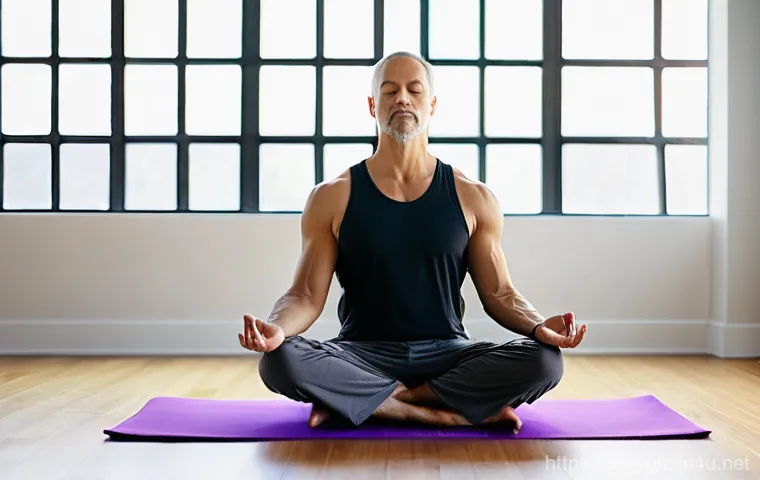
Hands down, one of the most impactful investments I’ve made in my teaching career has been a deeper dive into functional anatomy. Seriously, it’s a game-changer.
It’s one thing to cue “tuck your tailbone,” but it’s another entirely to understand *why* you’re saying it, what muscles are engaging, and what the potential contraindications might be for different bodies.
I remember a student came to me with persistent lower back pain, and after really observing her movement patterns and understanding the anatomy of her spine, I was able to offer modifications that genuinely alleviated her discomfort.
It wasn’t about a fancy pose; it was about intelligent movement. This kind of knowledge not only helps prevent injuries but also empowers you to offer truly personalized guidance, making your students feel safer and more trusting in your expertise.
It’s about teaching bodies, not just poses, and that requires a solid anatomical foundation.
The Subtle Art of Adjustments and Modifications
The ability to offer intelligent, sensitive adjustments and modifications is a hallmark of an experienced teacher. And let me tell you, this is truly an *art*.
It’s not just about pushing someone deeper into a pose; it’s about sensing their boundaries, understanding their limitations, and offering support that enhances their experience without force.
In a world where hands-on adjustments are sometimes viewed with caution, mastering verbal cues and clever prop usage has become even more vital. I’ve spent years honing my verbal adjustment skills, learning to use precise language that guides students into alignment with their own internal wisdom.
And props! Blocks, straps, blankets—these aren’t crutches; they are powerful tools for accessibility, support, and deepening sensation. Knowing how and when to offer a blanket under the knees, a block between the thighs, or a strap to extend reach means you can make your classes truly inclusive and effective for every single body that walks (or logs) in.
Carving Your Niche: Becoming the Go-To Guru
In a rapidly expanding yoga landscape, it’s easy to feel like you’re just another teacher in a sea of incredible talent. I certainly felt that way for a while, trying to be everything to everyone, teaching every style under the sun.
It was exhausting, and frankly, I didn’t feel like I was truly excelling at any one thing. Then, a mentor wisely advised me to find my niche. It was a revelation!
Instead of trying to cast a wide net, focusing on a specific area allowed me to deepen my expertise, attract students who genuinely resonated with my offerings, and ultimately, stand out.
It’s not about limiting yourself; it’s about refining your focus so you can serve a particular community more deeply and authentically. This path has been incredibly fulfilling, allowing me to connect with students on a profound level and become known for something truly unique.
Finding Your Unique Voice and Offering
Think about what truly lights you up within the vast world of yoga. Is it restorative yoga for stress relief? Power flows for athletes?
Pre-natal yoga? Adaptive yoga for seniors? Your unique voice emerges from the intersection of your personal passions, your expertise, and the needs of a specific community.
For me, it was combining mindful movement with practical tools for anxiety management, something I’d personally experienced. When I started leaning into that, my classes filled with students who were specifically looking for that kind of support, and the connection was instantaneous.
Don’t be afraid to let your own story and experiences inform your teaching. That authenticity is your superpower. Your unique perspective is what will draw your ideal students to you, creating a loyal following that truly values what you offer.
Specializing for Impact: Who Do You Truly Serve?
Once you’ve identified a niche, specializing allows you to become a true expert in that area. Instead of being a generalist, you become the “go-to guru” for a particular kind of student or a specific challenge.
This not only builds your authority and credibility but also makes your marketing infinitely easier. Imagine trying to market a general yoga class versus a “Yoga for Runners” workshop.
The latter speaks directly to a specific audience with specific needs! When you specialize, you can tailor your language, your sequences, and even your props to precisely address the concerns of your chosen community.
This deep level of understanding and targeted approach creates a much more impactful and transformative experience for your students, and in turn, solidifies your reputation as an expert in that field.
It’s about making a profound difference for a select group, rather than a superficial one for many.
Nourishing Your Inner Yogi: Self-Care for the Instructor
It’s ironic, isn’t it? As yoga teachers, we spend so much time guiding others towards peace, balance, and well-being, yet we often neglect our own. I’ve fallen into that trap more times than I care to admit, pouring all my energy into my students and leaving my own cup empty.
It led to exhaustion, resentment, and eventually, a feeling of disconnect from the very practice I loved. This is why self-care isn’t just a luxury for yoga instructors; it’s an absolute necessity.
It’s the foundation upon which your sustainable career is built. If you’re burned out, you can’t show up fully for your students, your teaching suffers, and the joy of the practice fades.
I’ve learned that protecting my energy, setting boundaries, and actively engaging in my *own* well-being practices isn’t selfish; it’s essential for my longevity and the quality of my teaching.
Avoiding Burnout: Setting Boundaries and Practicing What You Preach
Burnout is a real threat in any helping profession, and yoga teaching is no exception. I recall a period where I was teaching back-to-back classes, taking on every private client, and trying to manage all my social media.
I was constantly tired, my creative well felt dry, and I started dreading going to the studio. That was my wake-up call. I realized I wasn’t practicing what I preached.
Setting boundaries became my non-negotiable. This meant learning to say “no” to extra classes when my schedule was full, dedicating specific “off” hours to recharge, and protecting my personal practice time.
It also involved delegating tasks where possible, or even just accepting that I can’t do everything perfectly all the time. Remember, your energy is your most valuable asset.
Protect it fiercely, and you’ll be able to give so much more to your students from a place of genuine abundance, not depletion.
Continuous Learning: Keeping Your Cup Full
The moment we stop learning, we stop growing, and our teaching can become stagnant. I genuinely believe that ongoing education isn’t just about staying current; it’s about keeping your passion alive and your perspective fresh.
Every time I attend a workshop, read a new book on yoga philosophy, or dive into a different style of movement, I feel reinvigorated. It’s not about seeking constant external validation, but about nourishing your own intellectual and spiritual curiosity.
This continuous learning directly feeds into your teaching, bringing new insights, creative sequencing ideas, and a deeper sense of authenticity to your classes.
It reminds you of the beginner’s mind, keeps you humble, and prevents you from feeling like you’ve “arrived” and have nothing left to explore. Your students will feel that renewed energy and passion, making your classes ever more dynamic and inspiring.
Concluding Thoughts
Phew! What a journey we’ve been on together, right? Reflecting on all these aspects of being a yoga teacher, from fostering genuine connections in class to navigating the digital realm and building a sustainable business, it truly feels like a calling that constantly evolves.
Remember, every step you take to deepen your practice, refine your teaching, or understand the business side of things isn’t just for you; it’s for every student whose life you touch.
It’s about building a legacy of well-being, one authentic breath and intentional movement at a time. Keep learning, keep sharing, and most importantly, keep nurturing that incredible light within you.
Useful Insights for Your Journey
1. Prioritize Authentic Connection: Whether online or in person, making students feel seen and valued is your greatest asset. It builds loyalty and creates a truly transformative experience for everyone involved.
2. Embrace Digital Tools Wisely: Don’t fear technology; leverage it! A good microphone, decent lighting, and a reliable platform can elevate your online classes from basic streams to professional, engaging virtual studios, expanding your reach globally.
3. Understand Your Value & Diversify: Don’t undersell your passion. Price your services based on the immense value you provide and explore multiple income streams like workshops, retreats, and online courses to ensure long-term sustainability and reduce burnout.
4. Deepen Your Knowledge Consistently: Never stop learning about anatomy, philosophy, or new teaching methodologies. Continuous personal and professional development keeps your teaching fresh, prevents stagnation, and empowers you to guide students more effectively and safely.
5. Cultivate Self-Care Fiercely: As teachers, we pour so much into others. Remember that your own well-being is paramount. Set boundaries, prioritize your personal practice, and recharge your own cup so you can show up as your best self for your students without burning out.
Key Takeaways
At the heart of a thriving yoga teaching career lies a blend of genuine human connection, a smart approach to the digital landscape, and a solid understanding of sustainable business practices. Your authenticity is your superpower, drawing students to your unique voice. Invest in continuous learning, both for your craft and your well-being, and never shy away from carving out a specialized niche that truly resonates with you. Remember, teaching yoga is a marathon, not a sprint, and by nurturing yourself, your students, and your business with intention, you’ll create a profound and lasting impact.
Frequently Asked Questions (FAQ) 📖
Q: How can I make my online yoga classes feel just as personal and engaging as an in-person session?
A: Oh, this is a question I get asked all the time, and it’s something I’ve put a lot of thought into as I’ve transitioned more of my own teaching online.
You know, when I first started teaching virtually, I worried so much about losing that magical connection you get when everyone’s breathing in the same room.
But I’ve learned that it’s totally possible to create that intimacy, just in a different way! First off, lighting and sound are your absolute best friends.
Seriously, invest in a decent microphone and make sure your space is well-lit. Nothing breaks the flow faster than students straining to hear you or seeing a shadowy figure.
Second, use names! I know it sounds simple, but actively greeting students by name as they join, and even giving personalized cues like “Sarah, try softening your knees a little in that Warrior II,” makes a world of difference.
It shows you see them. And here’s a big one: don’t be afraid to share a little of your authentic self. Maybe start with a quick story about your day or a personal reflection related to the class theme.
It humanizes the screen. I’ve found that when I share a bit more of my journey or even a funny mishap, my students feel more comfortable sharing too, which deepens our bond.
Finally, stay on after class for a few minutes. Just open it up for questions or a quick chat. It mimics those post-class studio conversations and is invaluable for building community and a loyal following.
Trust me, these small efforts make your online space feel less like a broadcast and more like a true gathering.
Q: What are the most crucial ‘business savvy’ skills a yoga instructor needs today to truly thrive and stand out?
A: This is where the rubber meets the road, isn’t it? As much as we love the practice, building a sustainable career means understanding the business side – and it’s changed so much!
Gone are the days when simply being a great teacher was enough. From what I’ve experienced, three skills are absolutely non-negotiable now. Firstly, digital marketing and an authentic online presence are paramount.
You have to be discoverable. This isn’t about being an influencer; it’s about clearly articulating your unique offering and connecting with your ideal students where they are – which is often online.
Think beyond just pretty Instagram photos; it’s about sharing valuable insights, maybe a short tutorial, or just your genuine voice on a blog or through email newsletters.
I remember when I started getting serious about my email list; it felt like a chore, but it’s become one of my most powerful tools for building a dedicated community.
Secondly, financial literacy and strategic pricing. We often shy away from money talk, but understanding how to price your classes, packages, and workshops fairly for both you and your students is vital.
Know your worth, understand your expenses, and don’t be afraid to charge what you deserve. This ensures you can sustain your passion long-term without burning out.
And third, networking and collaboration. It’s not about competition; it’s about community! Connect with other teachers, wellness practitioners, and local businesses.
I’ve seen incredible opportunities arise from simply reaching out and suggesting a joint workshop or cross-promotion. It expands your reach naturally and helps you learn from others.
These skills aren’t taught in YTT, but they are absolutely essential for making your yoga career not just a passion, but a prosperous one.
Q: How do I know if I should specialize in a specific yoga style or niche, and what are the benefits?
A: Ah, the specialization question! It’s a big one, especially when you feel like you need to be everything to everyone. When I first started out, I tried to teach every style under the sun because I thought that would attract more students.
What I actually found was that I felt scattered, and my message wasn’t as clear. In my journey, I’ve learned that specializing can be a game-changer for finding your unique voice and attracting your ideal students.
So, how do you know if it’s for you? Start by reflecting on what truly lights you up. Is there a particular population you love working with – perhaps athletes, seniors, pregnant individuals, or those dealing with specific health challenges?
Or is there a yoga style or philosophy that you feel deeply passionate about and endlessly curious to explore? For me, focusing on restorative yoga after years of teaching power flow felt like coming home.
The benefits? First, it makes you stand out. In a crowded market, being known as the expert in prenatal yoga or therapeutic yoga for anxiety instantly makes you more memorable than being a generalist.
Second, it deepens your expertise. When you focus, you can dive much deeper into anatomy, sequencing, and philosophy specific to that niche, allowing you to offer truly transformative experiences.
And third, it streamlines your marketing efforts. Instead of trying to appeal to everyone, you can speak directly to the needs and desires of your niche audience, making your marketing much more effective and less overwhelming.
It’s not about excluding others, but about becoming exceptionally good at serving a specific group, and trust me, those students will seek you out.