Hey there, wellness warriors! Ever found yourself scrolling through Instagram, admiring both a serene yogi in a perfect handstand and a powerhouse trainer crushing a deadlift, and wondered…
what’s really the difference between them? It’s a super common question, especially with the lines between health, fitness, and mindfulness blurring more than ever in our modern, fast-paced world.
I mean, I’ve personally navigated both paths – from my early days chasing high-intensity intervals in a packed gym to finding profound calm and strength on the yoga mat.
There’s this massive growth in personalized wellness, pushing people to seek out specialized guidance, whether it’s for a healthier lifestyle, injury prevention, or just finding their inner zen amidst the daily grind.
But figuring out who to trust with your body and mind, a certified yoga instructor or a dedicated fitness coach, can honestly feel like navigating a maze of acronyms and trendy terms.
You might think they’re interchangeable, both ultimately guiding you to a better you, but trust me, their core approaches, philosophies, and even their day-to-day work can be surprisingly distinct.
In fact, understanding these nuances is more crucial than ever, especially as we see a future where holistic health becomes even more integrated into our daily lives, demanding truly nuanced expertise.
So, if you’ve ever pondered whether to sign up for that Vinyasa flow or jump into a bootcamp, you’re absolutely in the right place. Let’s dive deeper and uncover their exact distinctions!
Guiding Principles: Where Their Journeys Begin

Okay, so let’s cut to the chase and really dig into the foundational differences that set these two amazing professionals apart. When I first started exploring both yoga and fitness, I honestly thought it was just about how you moved your body. But oh boy, was I wrong! It’s so much more about the philosophy underpinning their entire approach, almost like they’re speaking different wellness languages. A yoga instructor’s journey often begins with a deep dive into ancient wisdom, focusing on a holistic understanding of the self. They’re not just about teaching you poses; they’re guiding you through a spiritual and mental exploration that complements the physical. It’s a complete package, embracing mindfulness, breathwork, and self-discovery. This approach truly resonated with me during a particularly stressful period in my life, helping me find a sense of inner calm I didn’t even know I was missing. Conversely, a fitness coach’s foundation is typically rooted in sports science, anatomy, and exercise physiology. Their training is all about quantifiable results: strength gains, fat loss, improved endurance, and enhanced athletic performance. They’re often focused on creating structured, progressive programs that are scientifically backed to help you achieve specific physical goals. Think less about finding your inner peace and more about hitting that new personal best on the squat rack. Both are incredibly valuable, but their starting points are distinctly different, influencing every aspect of their teaching and coaching styles.
The Philosophical Roots of a Yoga Instructor
From my personal experience, stepping into a yoga studio feels like entering a sanctuary where the focus shifts inward. Yoga instructors are often steeped in traditions that go back thousands of years, embracing texts and philosophies that emphasize the union of mind, body, and spirit. They’re trained to understand not just the physical postures (asanas), but also the breath control (pranayama), meditation (dhyana), and ethical principles (yamas and niyamas). It’s a journey of self-awareness and self-acceptance. I remember one instructor who, instead of pushing us to achieve a perfect pose, encouraged us to find our ‘edge’ and respect our body’s current capabilities. This emphasis on listening to your body and fostering inner peace is a cornerstone of their teaching. They’re often driven by a desire to share a practice that promotes overall well-being, stress reduction, and a deeper connection to oneself, rather than just physical aesthetics or strength. This holistic view truly sets them apart, making their guidance feel incredibly nurturing and transformative.
The Science-Driven Approach of a Fitness Coach
Now, when I think about a fitness coach, my mind immediately jumps to meticulous planning, goal setting, and data-driven progress. These professionals typically come from a background deeply entrenched in exercise science, human anatomy, and nutrition. Their certifications often require a thorough understanding of how the body moves, how muscles respond to training, and how to prevent injuries. They’re about creating measurable outcomes. I’ve worked with coaches who meticulously tracked my lifts, my cardio sessions, and even my diet, constantly tweaking the plan to optimize for strength and endurance. Their methodology is less about ancient wisdom and more about modern scientific principles. They’re focused on building a stronger, more resilient, and more efficient body. If you walk into a session with a fitness coach, you’re likely to discuss your goals in terms of reps, sets, mileage, or body composition, rather than spiritual alignment. It’s a highly practical, results-oriented approach that I’ve found incredibly effective when I’ve wanted to achieve specific physical milestones, like running a faster 5K or getting stronger in the gym.
Crafting the Body: Movement and Methodology
When you’re actually in a session, whether it’s on a mat or in the weight room, the way a yoga instructor and a fitness coach guide your movement is strikingly different. I’ve been in classes where a yoga instructor will spend minutes describing the subtle energy flow in a pose, encouraging a meditative stillness, and then I’ve immediately transitioned to a fitness class where the coach is shouting encouragement over a booming playlist, pushing us through burpees with intense focus on explosiveness. It’s like night and day! A yoga instructor’s methodology prioritizes flexibility, balance, and mindful movement, often flowing from one posture to the next with breath as the guiding force. They’re less about pushing you to your physical limits in terms of sheer output and more about exploring the depth of a pose and improving your body’s range of motion over time. They help you find comfort in discomfort, building resilience from within. On the other hand, fitness coaches are all about structured, progressive overload. They design workouts to challenge your muscles, cardiovascular system, and overall endurance, focusing on compound movements, targeted exercises, and high-intensity intervals to elicit physiological adaptations. Their goal is often to make you stronger, faster, and more powerful, optimizing your body for performance. Both methods are incredibly effective for their respective goals, but the ‘how’ they get you there is what truly distinguishes them, appealing to very different aspects of physical development. It really highlights why understanding these differences is so important when you’re deciding what type of movement practice is right for you at any given time.
Flow and Flexibility: The Yoga Practice
My journey on the yoga mat has taught me so much about my body’s innate ability to move gracefully and adapt. Yoga instructors excel at guiding you through sequences that enhance flexibility, improve balance, and build core strength in a very integrated way. They focus heavily on alignment, ensuring that each pose is performed safely and effectively to maximize its benefits and prevent injury. I’ve often heard instructors emphasize lengthening the spine, rooting through the feet, or gently engaging specific muscle groups to support a posture. It’s not about how deep you can go into a stretch on day one, but about gradually expanding your range of motion and developing a deeper awareness of your body. The breath is intrinsically linked to every movement, creating a rhythmic, almost dance-like quality to the practice. They teach you to use your breath to deepen stretches, calm the nervous system, and maintain focus. This gentle yet profound approach to movement helps release tension, improve posture, and cultivate a sense of fluidity that translates into everyday life. I’ve personally found that regular yoga practice has made me feel more agile and less prone to those nagging aches and pains, helping me navigate my day with greater ease and less stiffness.
Strength and Stamina: The Fitness Regimen
When I’m working with a fitness coach, the atmosphere is usually charged with energy and a clear focus on measurable gains. Their methodologies are centered around building muscular strength, improving cardiovascular endurance, and enhancing overall athletic performance. They utilize a diverse range of training techniques, including weightlifting, high-intensity interval training (HIIT), plyometrics, and functional movements. The emphasis is on progressive overload – constantly challenging the body with increasing resistance, repetitions, or intensity to stimulate adaptation and growth. A good coach will meticulously plan workouts, often breaking them down into phases like strength, hypertrophy, or endurance, ensuring you’re working towards specific goals safely and effectively. They’re masters of proper form for heavy lifts, ensuring you’re not just moving weight, but moving it correctly to maximize results and minimize injury risk. I remember one coach who was incredibly particular about my deadlift form, insisting on small adjustments that made a huge difference in how I felt the exercise and my ability to lift heavier over time. This targeted, results-driven approach is incredibly motivating when you’re looking to achieve tangible physical milestones, like increasing your bench press, improving your mile time, or simply feeling stronger and more capable in your daily activities.
Beyond the Mat: Holistic vs. Performance Goals
One of the most fascinating aspects I’ve discovered on my wellness journey is how differently yoga instructors and fitness coaches define “success” for their clients. It’s not just about what they teach, but the ultimate aspiration they hold for you. For a yoga instructor, success often looks like a deeper sense of self-awareness, reduced stress, improved mental clarity, and a greater connection to one’s inner wisdom. They’re nurturing a holistic view of well-being, where the physical practice is just one component of a larger journey towards inner peace and balance. I’ve had instructors who emphasized the importance of taking the calm and presence cultivated on the mat into your daily life, transforming how you respond to challenges and interact with the world. It’s about building a resilient mind as much as a flexible body. A fitness coach, however, typically measures success through more tangible, performance-based metrics. Did you lift more weight? Did you run faster? Did you improve your body composition? Their focus is often on optimizing physical capabilities, pushing you towards peak performance, and helping you achieve specific aesthetic or athletic goals. This isn’t to say one is superior to the other; they simply cater to different fundamental human desires. It just underscores that before you commit to either path, it’s really helpful to sit down and ask yourself: what do I truly want to achieve? Is it a more serene mind or a stronger body? Often, it’s a beautiful blend of both, but understanding their core aims helps you align with the right guide at the right time. This distinction became particularly clear to me when I was training for a charity run and needed the precise, goal-oriented guidance of a coach, whereas during a period of intense personal stress, the soothing, holistic approach of a yoga instructor was exactly what I needed to get back on track.
Mind-Body Connection and Spiritual Growth
In the realm of a yoga instructor, the concept of a “workout” often extends far beyond the physical. Their ultimate aim is to foster a profound mind-body connection, encouraging students to tune into their internal landscape. I’ve found that even in the most physically demanding yoga classes, there’s an underlying current of mindfulness and introspection. Instructors guide you not just to hold a pose, but to observe your breath, notice sensations in your body, and gently quiet the chatter of your mind. They often incorporate elements of meditation and philosophy, encouraging a more contemplative approach to life itself. For many, including myself, yoga becomes a path to spiritual growth, helping to cultivate compassion, gratitude, and a sense of inner peace. It’s about finding equilibrium, reducing anxiety, and developing a stronger sense of self. The focus isn’t on beating personal records but on personal discovery and accepting where you are in the present moment. This emphasis on holistic well-being, where emotional and mental health are just as important as physical health, is truly a hallmark of a yoga instructor’s guidance. They’re less about the external achievement and more about the internal transformation, which can be incredibly powerful and deeply rewarding.
Achieving Tangible Physical Milestones
When it comes to a fitness coach, the objective is typically crystal clear: achieve specific, measurable, and often tangible physical results. Their expertise is geared towards helping you gain strength, improve endurance, shed body fat, or prepare for a specific athletic event. Think about those intense sessions where you’re pushing through the last few reps, or digging deep to finish that sprint – that’s often guided by a coach with a very clear performance goal in mind. They’re excellent at breaking down big objectives into smaller, manageable steps, providing the structure and accountability needed to hit those milestones. I’ve personally experienced the sheer satisfaction of finally hitting a new deadlift personal record, or shaving minutes off my running time, all thanks to the strategic programming and unwavering encouragement of a dedicated fitness coach. They provide detailed feedback on form, suggest nutritional strategies to support your training, and continually adjust your program to ensure you’re making consistent progress. It’s a very empowering feeling to see those numbers improve, to feel your body getting stronger and more capable. Their guidance is invaluable when you’re serious about transforming your physique, increasing your athletic prowess, or simply wanting to push your physical boundaries and see what you’re truly capable of achieving.
A Day in the Life: What Their Sessions Really Look Like
If you were to be a fly on the wall during a typical session with either a yoga instructor or a fitness coach, you’d immediately notice a stark contrast in the environment, the pace, and the overall vibe. I’ve spent countless hours in both settings, and the energy is just so different! In a yoga class, there’s often a serene, almost meditative atmosphere. The lighting might be soft, the music calming, and the instructor’s voice soothing, guiding you through gentle transitions and holding poses with focused intention. There’s a strong emphasis on individual exploration within a collective space, with everyone encouraged to move at their own pace and listen to their own body. It’s less about competition and more about community and shared presence. Now, picture a fitness coaching session – the energy is usually electric! You might hear upbeat music, the clang of weights, and the coach’s encouraging (or sometimes challenging!) shouts. The focus is very much on pushing limits, executing specific exercises with intensity, and often working against the clock or towards a target number of reps. The interaction is usually more direct and prescriptive, with the coach correcting form, motivating you through tough sets, and tracking your progress intently. Both environments are designed to be effective for their respective goals, but they cater to very different preferences and personality types. It’s really interesting to experience both and see how they can complement each other, offering a balanced approach to wellness, or how one might resonate more strongly with you depending on your current needs and goals.
Leading a Centering Yoga Class
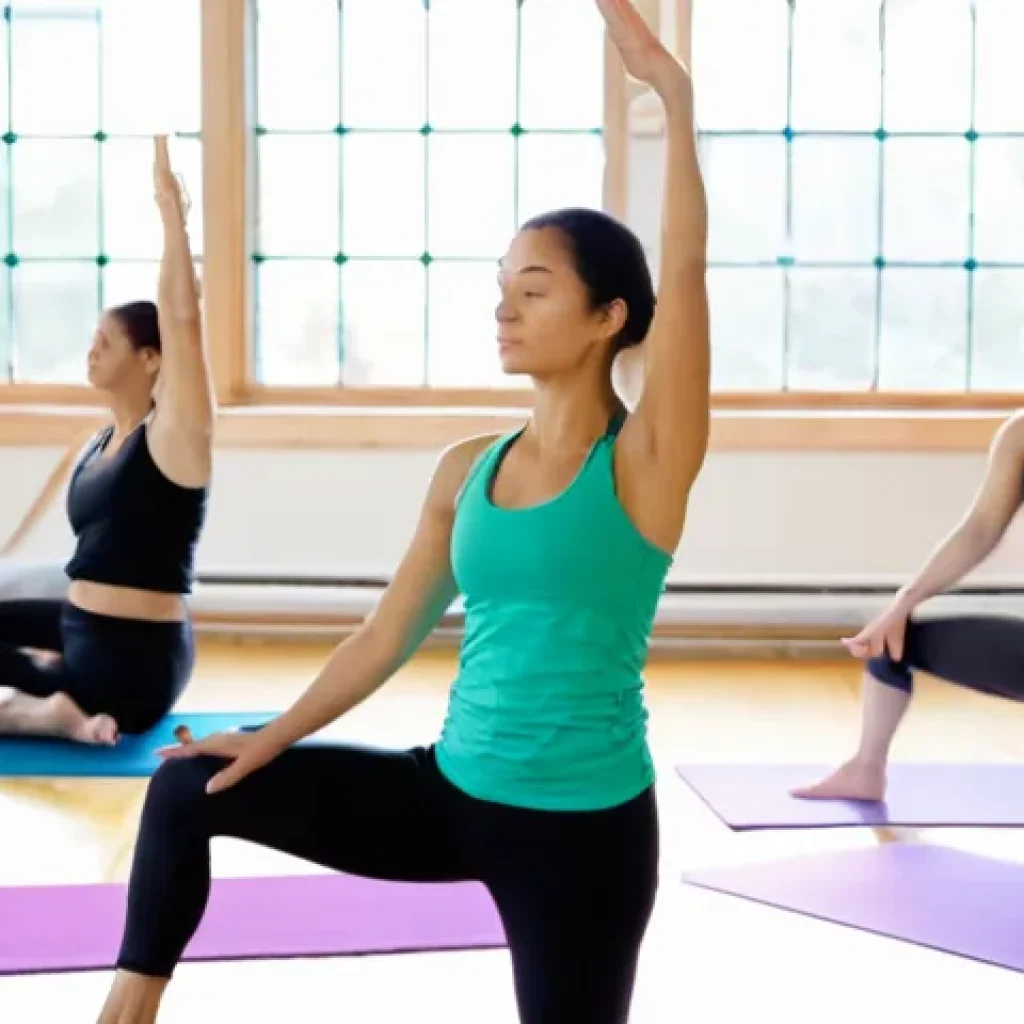
When a yoga instructor steps onto the mat to lead a class, their presence often radiates calm and intention. The session usually begins with centering, perhaps a brief meditation or breathwork, inviting students to leave the outside world behind. Throughout the class, the instructor artfully weaves together a sequence of poses, offering modifications for different levels and providing cues that encourage internal awareness. They use descriptive language, guiding students to feel the stretch, engage specific muscles, and synchronize movement with breath. I remember one instructor who would walk around, gently adjusting our alignment, but always with permission and a deep respect for personal space, making sure we felt supported rather than corrected. The pacing is often deliberate, allowing time to settle into each pose and explore its depths. There’s a strong emphasis on creating a safe and inclusive space where everyone feels comfortable exploring their own practice. It’s less about a strenuous workout and more about a moving meditation, cultivating flexibility, strength, and inner peace. The atmosphere is designed to be restorative, helping to release tension, reduce stress, and promote mental clarity. I always leave a good yoga class feeling grounded, refreshed, and ready to face the world with a renewed sense of calm.
Coaching Through a High-Energy Workout
A fitness coach’s session is typically a dynamic, high-energy affair, designed to push you towards your physical peak. From the moment you start, the focus is on a structured workout plan with clear objectives. The coach might begin with a dynamic warm-up, followed by a series of compound exercises like squats, deadlifts, or presses, interspersed with cardio bursts or core work. They’re constantly observing your form, providing real-time feedback, and offering motivation to help you power through challenging sets. I’ve had coaches who were incredibly adept at knowing exactly when to push me harder and when to encourage a brief rest, always tailoring the intensity to my current capabilities. They often use specific cues to ensure proper technique, preventing injury and maximizing the effectiveness of each movement. The environment is often lively, with upbeat music and a palpable sense of determination. It’s about building physical resilience, increasing strength, and improving cardiovascular health. A coach might use timers, count reps, and track your progress rigorously, celebrating every small victory as you get closer to your goals. The session concludes with a cool-down and stretching, often followed by a brief discussion about your progress and what to expect next. It’s a very results-driven experience, and I always leave feeling energized, accomplished, and a little bit stronger than before.
Who’s Who: Deciphering Certifications and Expertise
Understanding the credentials behind a yoga instructor or a fitness coach is absolutely crucial when you’re looking for guidance, and trust me, it can feel like navigating a jungle of acronyms! When I first started researching, I was completely overwhelmed by all the different certifications out there. But after some digging, I realized that these certifications are essentially their badges of honor, indicating their specialized training and areas of expertise. For yoga instructors, the Yoga Alliance (YA) is often the gold standard, with different levels like RYT 200, RYT 300, or RYT 500 indicating the number of hours of training they’ve completed. These programs cover anatomy, philosophy, teaching methodology, and different styles of yoga. It’s a comprehensive training that ensures they understand the depth of the practice, not just the physical postures. On the other hand, fitness coaches typically hold certifications from organizations like the National Academy of Sports Medicine (NASM), the American Council on Exercise (ACE), or the National Strength and Conditioning Association (NSCA). These certifications focus heavily on exercise science, program design, client assessment, and injury prevention, equipping them with the knowledge to safely and effectively train a diverse range of clients. While both professions require rigorous training, the content and focus of their education are distinctly different, reflecting their unique approaches to health and wellness. Always, always check their certifications and don’t hesitate to ask about their experience. It’s your body and your well-being, so you deserve to know you’re in incredibly capable hands!
Understanding Yoga Alliance and Specialized Training
When you’re looking for a qualified yoga instructor, the Yoga Alliance (YA) credential is often the first thing to look for. This organization sets recognized standards for yoga teacher training programs (YTTs). An RYT 200 (Registered Yoga Teacher 200 hours) means they’ve completed a foundational 200-hour training that covers essential anatomy, yoga philosophy, teaching methodology, and various asanas. Many instructors go on to complete RYT 300 or RYT 500, indicating even deeper and more specialized knowledge. Beyond these core certifications, many yoga instructors pursue further training in specific styles like Ashtanga, Vinyasa, Hatha, Restorative, or even specialized areas like prenatal or kids’ yoga. I’ve even seen instructors with certifications in trauma-informed yoga, which speaks to the incredible depth and adaptability of the practice. These additional trainings allow them to cater to very specific needs and populations. When I was dealing with a nagging back issue, I sought out an instructor with expertise in therapeutic yoga, and it made all the difference! It’s not just about learning poses; it’s about understanding how to safely and effectively guide diverse bodies through a practice that can be both physically challenging and deeply healing. Always look for instructors who are committed to continuing education, as it reflects their dedication to their craft and their students’ well-being.
Navigating NASM, ACE, and Other Fitness Credentials
For fitness coaches, the landscape of certifications is equally diverse but focused on exercise science and performance. Organizations like the National Academy of Sports Medicine (NASM), the American Council on Exercise (ACE), and the National Strength and Conditioning Association (NSCA) are widely recognized and highly respected. A Certified Personal Trainer (CPT) certification from one of these bodies signifies a comprehensive understanding of human anatomy, exercise physiology, biomechanics, client assessment, and program design. These certifications often require ongoing education to maintain, ensuring coaches stay up-to-date with the latest research and best practices. Beyond the basic CPT, many coaches specialize in areas like Strength and Conditioning (CSCS from NSCA), Corrective Exercise (NASM-CES), Performance Enhancement (NASM-PES), or even more niche areas like pre/postnatal fitness or specific sports training. I’ve worked with coaches who had specialized in powerlifting, and their knowledge of proper form and progressive overload was just mind-blowing. These specialized credentials indicate a coach’s ability to work with specific populations or achieve particular types of results. When you’re looking for a fitness coach, ask about their primary certifications and any additional specializations that align with your personal fitness goals. It’s like finding a specialist doctor – you want someone whose expertise directly matches what you’re trying to achieve with your body.
| Feature | Yoga Instructor | Fitness Coach |
|---|---|---|
| Primary Focus | Holistic well-being, mind-body connection, flexibility, balance, stress reduction, spiritual growth. | Physical strength, endurance, muscle gain, fat loss, athletic performance, injury prevention. |
| Methodology | Asanas (poses), pranayama (breathwork), meditation, mindful movement, philosophical principles. | Structured workouts, weight training, cardio, HIIT, functional movements, progressive overload. |
| Key Certifications | Yoga Alliance (e.g., RYT 200, RYT 500), specialized yoga styles. | NASM, ACE, NSCA (CPT, CSCS), specialized training (e.g., corrective exercise). |
| Client Goals | Improved flexibility, reduced anxiety, mental clarity, body awareness, inner peace. | Increased strength, faster run times, muscle hypertrophy, better body composition, sport-specific skills. |
| Typical Session | Flowing sequences, deep stretches, breath synchronization, calming atmosphere, mindful cues. | Rep-based exercises, timed intervals, heavy lifting, high-intensity segments, motivational coaching. |
Injury Prevention and Modification: A Delicate Balance
Let’s talk about something incredibly important that often gets overlooked until it’s too late: how these two professionals approach injury prevention and modifications. This is an area where their unique expertise truly shines and can make a massive difference in your long-term health. I’ve personally had my share of minor injuries, and knowing who to turn to for guidance during those times was a game-changer. A yoga instructor, due to their emphasis on mindful movement, body awareness, and listening to internal cues, is often exceptionally skilled at offering modifications that protect vulnerable joints and accommodate physical limitations. They teach you to honor your body’s boundaries and adapt poses rather than force them. This approach is incredibly empowering, as it fosters a sense of self-care and helps prevent overuse injuries that can arise from pushing too hard. On the other hand, a fitness coach’s role in injury prevention is typically more proactive and structural. They focus on identifying muscle imbalances, strengthening supporting structures around joints, and teaching proper biomechanics for challenging movements. Their modifications are often geared towards enabling you to still train effectively while minimizing risk, perhaps by using lighter weights, adjusting ranges of motion, or substituting exercises. Both are vital for a sustainable fitness journey, but their strategies come from different angles. Understanding this distinction can help you choose the right expert when you’re dealing with a specific ache or pain, or when you’re trying to build a resilient body that withstands the rigors of training and daily life.
Yoga’s Emphasis on Alignment and Gentle Adaptation
One of the things I absolutely love about yoga, especially when guided by a skilled instructor, is the profound emphasis on alignment and the gentle art of adaptation. Yoga instructors are trained to spot subtle misalignments in postures that could potentially lead to strain or injury. Their cues often focus on distributing weight evenly, engaging core muscles to support the spine, and finding stability before deepening a stretch. I’ve often heard instructors say, “If it doesn’t feel right, back off,” which is such a powerful message in a world that often encourages pushing through pain. They provide a myriad of modifications, using props like blocks, straps, and blankets to make poses accessible for different body types and levels of flexibility. For instance, if you have tight hamstrings, they might suggest placing a block under your hands in a forward fold or bending your knees significantly. This compassionate approach ensures that the practice is inclusive and safe for everyone, from beginners to seasoned practitioners, and especially for those recovering from injuries or dealing with chronic conditions. It teaches you to truly listen to your body, respect its current capabilities, and work within your comfortable range, building strength and flexibility without unnecessary strain. This gentle adaptation, based on deep body awareness, is a hallmark of good yoga instruction.
Fitness Coaching for Strength, Recovery, and Progression
When it comes to injury prevention in a fitness setting, a coach’s approach is often more about building a robust, resilient body that can withstand intense training and daily demands. They focus heavily on proper biomechanics and strengthening the muscles that stabilize your joints. For example, if you’re prone to knee pain, a coach might prescribe exercises to strengthen your glutes and hamstrings, which are crucial for knee stability. Their modifications aren’t just about making an exercise easier, but about ensuring you can perform it safely and effectively to achieve the desired stimulus. This could mean adjusting your stance for a squat, reducing the range of motion for a lunge, or opting for a different exercise that targets the same muscle group without aggravating an existing issue. A good fitness coach will also emphasize the importance of warming up, cooling down, and active recovery to prevent injuries and optimize performance. I remember a time when I was overtraining, and my coach immediately recognized the signs, adjusted my program to include more rest, and introduced specific mobility work to address potential hotspots. This proactive, science-backed approach helps you build a stronger foundation, enabling you to progress safely and effectively while minimizing the risk of setbacks. It’s about smart training, not just hard training, ensuring your body can keep up with your ambitions.
The Bottom Line: Choosing Your Perfect Path
So, after diving deep into the worlds of yoga instructors and fitness coaches, you might be wondering, “Okay, but which one is right for *me*?” And honestly, that’s the million-dollar question, isn’t it? What I’ve come to realize from my own journey is that there isn’t a one-size-fits-all answer. Your perfect path truly depends on your current goals, your personality, and what your body and mind are craving at any given moment. If you’re feeling stressed, disconnected from your body, or seeking a deeper sense of inner peace and flexibility, then a yoga instructor might be your ideal guide. They’ll help you cultivate mindfulness, improve your body’s natural movement patterns, and navigate life’s challenges with greater equanimity. I know for me, yoga was a lifeline during times of high anxiety. However, if your primary aim is to build brute strength, increase your athletic performance, lose body fat, or simply feel more capable in everyday physical tasks, then a dedicated fitness coach is likely your best bet. They’ll provide the structured, progressive programming and expert guidance needed to push your physical limits safely and effectively. The beauty is, these aren’t mutually exclusive paths! Many people, including myself, find immense benefit in incorporating both into their routine, leveraging the unique strengths of each. It’s about creating a balanced approach to wellness that supports both your physical and mental health. Take some time to reflect on what truly resonates with you right now, and don’t be afraid to try both to see which one feels like home. Your wellness journey is a personal adventure, and finding the right companions along the way makes all the difference.
When a Yoga Instructor is Your Best Bet
If you’re looking to cultivate a deeper connection with your body, enhance your flexibility, improve your balance, and find a sense of inner calm, then a yoga instructor is truly invaluable. They are masters at guiding you through practices that reduce stress, alleviate anxiety, and promote overall mental well-being. From my own experience, when I’ve felt overwhelmed by life’s demands, a good yoga class has been like a reset button, helping me to quiet my mind and reconnect with my breath. If you’re dealing with stiffness, poor posture, or simply want to move your body more gracefully and mindfully, a yoga instructor can provide the personalized guidance to help you achieve these goals. They excel at offering modifications that make the practice accessible to all levels, including those with physical limitations or minor injuries. Moreover, if you’re seeking a practice that integrates philosophical principles and encourages self-discovery, yoga offers a rich tapestry of wisdom. It’s an ideal choice for anyone looking for a holistic approach to health that nurtures both the physical and the spiritual aspects of being. Sometimes, what we truly need isn’t more intensity, but more introspection, and that’s exactly where a yoga instructor shines brightest.
When a Fitness Coach Will Drive Your Results
Now, if your goals are more centered around transforming your physique, significantly increasing your strength, improving your cardiovascular endurance, or training for a specific athletic event, then a fitness coach is absolutely the professional you need. They are experts in crafting personalized programs that deliver measurable results. I’ve leaned on fitness coaches countless times when I’ve wanted to push my physical boundaries, whether it was to get stronger, faster, or achieve a particular body composition. They provide the precise structure, accountability, and expert feedback necessary to optimize your training. If you’re new to weightlifting and feel intimidated by the gym, a coach can teach you proper form and build your confidence. If you’re hitting a plateau in your current routine, they can introduce new strategies to break through it. They’re also fantastic at helping with injury recovery by designing strength-building programs that support rehabilitation and prevent recurrence. Essentially, if you have a clear physical performance objective – be it running a marathon, lifting a certain amount, or simply wanting to feel incredibly strong and capable in your daily life – a fitness coach will be your unwavering guide, helping you systematically and safely reach those ambitious milestones. They bring the science and strategy to your sweat sessions, ensuring every effort counts towards your ultimate goal.
Wrapping Things Up
Whew! We’ve covered a lot of ground today, exploring the rich and distinct worlds of yoga instructors and fitness coaches. It’s been quite a journey, hasn’t it? What I truly hope you take away from all this is that your wellness path is incredibly personal, and there’s no single “right” answer. Whether you’re seeking serenity and flexibility or raw strength and athletic prowess, or perhaps a beautiful blend of both, there’s a guide out there waiting to help you unlock your full potential. Remember to listen to your body, tune into your aspirations, and trust your gut feeling when choosing your next wellness adventure. Your well-being deserves a personalized approach, and knowing these differences empowers you to make the best choice for yourself, right now.
Useful Info You’ll Be Glad to Know
1. Define Your Goals First: Before you even start looking, sit down and honestly ask yourself what you truly want to achieve. Is it inner peace, a stronger physique, better flexibility, or a mix?
2. Check Credentials, Always: Don’t be shy! Always ask about certifications (Yoga Alliance for yoga, NASM/ACE/NSCA for fitness) and their experience. It’s your body, after all.
3. Try Before You Commit: Many studios and coaches offer trial classes or introductory sessions. Take advantage of these to experience their teaching style and see if it’s a good fit for you.
4. Consider Both for a Balanced Approach: You don’t have to choose just one! Many people, myself included, find that combining yoga for flexibility and mindfulness with fitness coaching for strength creates a wonderfully balanced and holistic wellness routine.
5. Listen to Your Body: This is perhaps the most important tip. Your body gives you cues. If something doesn’t feel right, speak up, and don’t be afraid to modify or seek alternative guidance.
Key Insights to Remember
Ultimately, both yoga instructors and fitness coaches are incredible professionals dedicated to helping you achieve a healthier, happier you. Yoga nurtures the mind-body connection, offering flexibility, balance, and a peaceful journey inward, while fitness coaching sculpts your physical capabilities, driving strength, endurance, and performance outwards. The real magic happens when you understand what each brings to the table and consciously choose the path that aligns perfectly with your current aspirations. Don’t hesitate to explore both, adapting your wellness journey as your needs evolve. Finding the right guide is like finding a key to unlock a new level of well-being, so embrace the discovery!
Frequently Asked Questions (FAQ) 📖
Q: What’s the fundamental difference in approach between a yoga instructor and a fitness coach when it comes to improving your overall well-being?
A: Oh, this is such a great question, and it really gets to the heart of it! From my perspective, having dipped my toes in both worlds, the core difference lies in their primary focus.
A yoga instructor, at their essence, is guiding you towards a more holistic connection between your mind, body, and spirit. They’re all about breathwork, mindfulness, flexibility, and cultivating a sense of inner peace and presence through physical postures.
It’s less about reps and more about the journey within each pose, fostering self-awareness and sometimes even tapping into philosophical aspects of wellness.
On the flip side, a fitness coach typically zeroes in on tangible, measurable physical outcomes. Think strength gains, cardiovascular endurance, weight management, or mastering specific athletic skills.
Their approach is usually more goal-oriented and performance-driven, meticulously planning workouts to challenge your body and push your physical limits.
Both are fantastic for well-being, but one leans into internal harmony while the other sculpts external prowess.
Q: I’m looking to prevent injuries and improve my body’s resilience long-term. Which expert would be a better fit for my needs?
A: This is a scenario I’ve seen countless times, and honestly, it depends a lot on the type of injury prevention you’re aiming for. If your goal is to enhance flexibility, improve balance, increase joint mobility, and build core stability in a gentle, rehabilitative way, a skilled yoga instructor can be an absolute godsend.
I’ve personally found that the slow, controlled movements and deep stretches in yoga have been incredible for addressing muscular imbalances and preventing those niggly aches and pains from daily life or previous workouts.
However, if your long-term resilience means building robust muscle mass to protect your joints, increasing bone density, or developing explosive power for specific activities, a fitness coach is often your go-to.
They’re experts in progressive overload and functional strength training, which can fortify your body against higher-impact stresses. Many people, myself included, find a hybrid approach is actually the sweet spot, using yoga for mobility and mindful recovery, and fitness training for raw strength and power.
Q: Can I really get “strong” just by practicing yoga, or do I need a dedicated fitness coach for serious strength gains?
A: This is a classic dilemma, and it’s one I’ve wrestled with myself! The short answer is yes, absolutely, you can get incredibly strong through yoga – but it’s often a different kind of strength than what a fitness coach might help you achieve.
Yoga builds what I like to call “functional strength” and endurance, especially in your core and smaller stabilizing muscles. Holding poses like Warrior III or Crow Pose requires immense body control and isometric strength.
I mean, after a particularly challenging Vinyasa flow, my muscles are definitely quivering in a way that rivals a gym workout! However, if your definition of “serious strength gains” involves lifting heavy weights, building substantial muscle mass, or focusing on very specific compound movements like squats and deadlifts with progressive overload, then a dedicated fitness coach is likely going to be more effective.
Their expertise lies in structuring programs that systematically increase resistance and volume, targeting muscle hypertrophy and maximal strength. So, while yoga will make you strong in a beautifully balanced and resilient way, a fitness coach is often the express route for raw, quantifiable power.