It feels like just yesterday we were talking about virtual classes, but let me tell you, 2025 is shaping up to be a whole new ballgame for yoga instructors!
If you’re anything like me, you’re constantly looking for ways to stay fresh, relevant, and truly connect with your students. The wellness landscape is evolving at warp speed, and it’s not enough to just know your poses anymore; it’s about understanding the deeper currents that are influencing how people approach their practice and what they expect from their teachers.
I’ve been keeping a close eye on what’s bubbling up, and some fascinating shifts are already underway, from hyper-personalized experiences to integrating tech in ways we might not have imagined a few years ago.
It’s all about creating truly impactful experiences that resonate deeply. Let’s dive deeper and uncover exactly what’s next for yoga instructors in 2025!
Crafting Hyper-Personalized Yoga Journeys
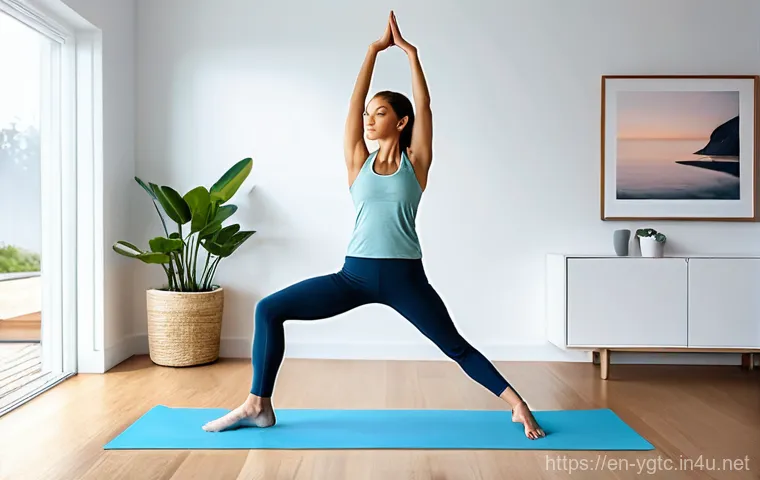
Honestly, the days of one-size-fits-all yoga classes feel like they’re fading into the rearview mirror, and I, for one, couldn’t be happier about it! What I’m seeing explode in popularity is this beautiful drive towards hyper-personalization. Students aren’t just looking for a good stretch anymore; they’re craving experiences that speak directly to their individual needs, their current emotional state, and even their specific physical challenges. Think about it: how many times have you had someone come to class with a nagging knee injury or a mind that just won’t quiet down, and you wished you could offer them something truly tailored in that moment? This isn’t just a trend; it’s a fundamental shift in how we connect with our students and truly serve them. I’ve personally started incorporating short intake forms for new students, even for my group classes, just to get a quick pulse on what they’re hoping to gain. It makes a world of difference in making them feel seen and understood from the get-go. This level of attention fosters incredible loyalty and allows you to build deeper, more meaningful relationships that extend far beyond the mat. It’s about being a guide who truly understands the unique landscape of each person’s journey, rather than just delivering a rote sequence. And let me tell you, when you offer that kind of bespoke experience, students are not only willing to invest more, but they also become your most enthusiastic advocates.
The Power of One-on-One
There’s absolutely nothing that compares to the transformative power of a private yoga session. This is where you can truly dive deep with a student, addressing their specific concerns, helping them break through mental blocks, and refining their physical alignment in ways a group setting simply can’t. I’ve found that offering tiered private packages – a foundational series for beginners, a therapeutic series for injury recovery, or even a mindfulness coaching package – really resonates. It allows you to position yourself as an expert problem-solver, not just a class instructor. The connection forged in these sessions is incredibly rewarding for both you and the student, creating a bond of trust and understanding that can last years.
Group Classes with a Personal Touch
Even in a bustling group class, you can infuse elements of personalization. It might be as simple as offering modifications for different body types or energy levels, or perhaps structuring your class themes to address common stressors or desires. I’ve had great success with “Choose Your Own Adventure” moments, offering two variations of a pose and letting students pick what feels right. Creating small moments where you can make eye contact, offer a quick encouraging word, or even just remember a student’s name from last week’s class, goes a long way. These small gestures show you’re paying attention and truly care about their individual experience, making every student feel like they belong and their presence matters.
Embracing Digital Innovations in Your Studio
Alright, let’s be real, the digital revolution isn’t just knocking on our studio doors anymore; it’s practically setting up a permanent residency! And honestly, for us yoga instructors, that’s actually a really exciting thing. For a long time, I think many of us felt like technology was a distraction, pulling people away from the present moment. But what I’ve been seeing, and what I’ve personally started to embrace, is how digital tools can actually *enhance* the yoga experience, both for us as teachers and for our students. From scheduling apps that make life infinitely easier to platforms that allow us to share our teachings with a global audience, the possibilities are genuinely endless. I remember feeling overwhelmed by it all at first, but once I started playing around with a few key tools, I realized they weren’t meant to replace the human connection, but rather to facilitate it and expand our reach. It’s all about working smarter, not harder, and using these innovations to free up our time so we can focus on what we do best: teaching and inspiring. Plus, let’s be honest, having a sleek online presence just makes you look more professional and accessible in today’s world, which is a huge win for attracting new students.
Smart Tech for Smarter Teaching
Think beyond just streaming classes! We’re talking about tools that can give you real-time feedback on alignment for virtual students, or platforms that offer AI-powered pose analysis to help students deepen their practice at home. I’ve even seen some studios experiment with heart rate monitors that integrate with screens, allowing students to visualize their effort and calm during savasana. Integrating these smart technologies doesn’t mean losing the essence of yoga; it means leveraging data and visuals to help students understand their bodies and minds more profoundly. For us, it can provide invaluable insights into student progress and areas where we can offer more targeted guidance. It’s about using technology as an assistant, a silent partner in our teaching.
Expanding Your Reach Virtually
The beauty of the digital realm is its boundless nature. If you’re not already, consider offering a robust library of on-demand classes, live-streamed sessions, or even digital workshops. This isn’t just about reaching students who can’t make it to your physical studio; it’s about attracting a whole new demographic who prefers to practice from home, or even across different time zones. I’ve personally seen a huge uptick in engagement from students who appreciate the flexibility of a hybrid model. Creating a subscription-based model for your virtual content can also provide a wonderfully consistent passive income stream, allowing you to diversify your revenue and create more financial stability for your yoga business. It truly opens up a world of opportunities you might not have considered before.
Beyond the Mat: Holistic Wellness Integration
You know, for years, yoga was often seen as this standalone practice – a great way to move your body and calm your mind. But what’s become incredibly clear to me, and what I’m seeing resonate deeply with students, is that they’re looking for something much more comprehensive. They don’t just want to feel good for an hour; they want tools and practices that help them live a healthier, more balanced life *off* the mat. This means integrating other pillars of wellness into our offerings. It’s about recognizing that a person’s well-being is a multifaceted thing, influenced by everything from what they eat to how they sleep, and how they manage stress. I’ve personally started expanding my own knowledge base into areas like breathwork, meditation techniques beyond just seated stillness, and even basic nutritional awareness. It’s about becoming a trusted resource for a more integrated approach to health. When you can offer insights and guidance that touch upon these broader aspects of life, you position yourself not just as a yoga instructor, but as a true wellness coach, someone who genuinely cares about their students’ overall vitality. It truly elevates the value you bring and helps students see the profound impact yoga can have on their entire existence, not just their flexibility.
Nurturing Mind, Body, and Spirit
Consider adding complementary practices to your teaching. This could involve leading guided meditations that focus on sleep, offering workshops on mindful eating, or even incorporating sound healing elements like crystal bowls or chimes into your savasana. I’ve found that even a few minutes dedicated to conscious breathing exercises at the beginning or end of a class can significantly deepen the students’ experience and teach them valuable tools they can take into their daily lives. It’s about providing a toolkit for holistic well-being, acknowledging that true health encompasses more than just physical postures. When we address the mind and spirit with as much intention as the body, we create a truly transformative space.
Collaborating for Comprehensive Care
You don’t have to be an expert in everything! One of the most effective strategies I’ve discovered is collaborating with other wellness professionals. Think about partnering with a local nutritionist for a “Yoga & Mindful Eating” workshop, or a sleep coach for a weekend retreat focused on rest and rejuvenation. I’ve even worked with a local chiropractor to offer workshops on yoga for back health, providing a multidisciplinary approach that truly benefits students. These collaborations not only expand your offerings without you needing to acquire entirely new certifications, but they also introduce your students to other valuable resources and expand your own professional network, which can be incredibly enriching for everyone involved.
Building Thriving Online & Offline Communities
More than ever, people are yearning for connection. And while yoga can certainly be a solitary practice, there’s immense power in shared experience and belonging. What I’ve really been focusing on lately is how to cultivate a vibrant community, both within the physical walls of my studio and in the digital spaces where my students gather. It’s not enough to just teach a class and send everyone home; we have the opportunity to create a sanctuary, a place where people feel safe, supported, and truly seen. I’ve found that when students feel like they’re part of something bigger, they’re not only more engaged but also more likely to stick with their practice long-term. This isn’t just good for retention; it creates a positive ripple effect that attracts new students organically through word-of-mouth. Think about how much stronger your personal practice feels when you know you’re surrounded by like-minded individuals, all striving towards similar goals. That sense of collective energy is something truly special, and it’s up to us to intentionally foster it. Building community isn’t always easy, but the rewards—for both you and your students—are absolutely priceless.
Cultivating Connection Beyond Classes
How do you keep the good vibes going once savasana is over? It’s all about creating opportunities for students to interact outside of the typical class structure. This could be as simple as hosting monthly “community gatherings” where everyone brings a dish to share, or organizing themed workshops that encourage deeper interaction. Social media can be a powerful tool here too – create a private Facebook group or a dedicated WhatsApp chat where students can share insights, ask questions, or just send encouraging messages to each other. I’ve even organized “yoga buddy” systems where new students are paired with regulars. These little touches make a huge difference in transforming individual attendees into a cohesive, supportive tribe.
The Power of Shared Experience
There’s something uniquely bonding about shared experiences, and yoga offers so many avenues for this. Consider organizing a local yoga hike, a beach yoga retreat, or even a meditation challenge that encourages daily participation and sharing. These events don’t just get students moving; they create lasting memories and deeper connections. I’ve found that when students have these shared, memorable experiences, their commitment to their practice and to your community strengthens significantly. It’s about providing opportunities for laughter, growth, and genuine human connection that transcends the physical postures and really speaks to the heart of what yoga is all about.
Niche Market Mastery: Finding Your Unique Voice
When I first started teaching, I honestly tried to be everything to everyone. Big mistake! I quickly realized that while variety is good, trying to appeal to absolutely everyone means you often end up appealing to no one in particular. What I’ve seen shift dramatically in the past few years, and what I truly believe is the path forward for yoga instructors, is the power of finding your niche. Think of it like this: would you rather be a general practitioner for everyone, or a specialist known for solving a very specific problem with incredible expertise? For me, embracing a niche was liberating. It allowed me to refine my teaching style, focus my marketing efforts, and ultimately, attract students who genuinely resonated with my specific offerings. It’s not about excluding people; it’s about deeply serving a particular group with a level of understanding and expertise that a general approach simply can’t match. When you find your unique voice and purpose, your passion shines through, and that authenticity is magnetic. My advice to anyone feeling a bit lost in the crowded yoga landscape is to spend some serious time reflecting on what truly lights you up and who you feel most called to serve. That’s where your magic lies.
Identifying Your Superpower
What are you uniquely passionate about? Is it prenatal yoga, helping new moms find strength and calm? Is it restorative yoga, offering deep relaxation to burnt-out professionals? Maybe it’s power yoga for athletes, or trauma-informed yoga for healing. Your “superpower” is that unique blend of your personal experience, your training, and what you genuinely love to teach. Don’t be afraid to lean into it! The more specific you get, the easier it becomes to connect with your ideal students. I remember feeling a bit scared to specialize at first, worried I’d miss out on other opportunities, but the opposite happened – my specific offerings started attracting exactly the right people who were looking for precisely what I had to offer.
Serving Underserved Audiences
Sometimes, finding your niche means looking for groups who aren’t currently well-served by general yoga offerings. This could be yoga for seniors, adaptive yoga for those with physical limitations, yoga for first responders, or even corporate wellness programs tailored to specific industries. By identifying these gaps, you can position yourself as a valuable resource and expert in that particular area. Not only does this fill a genuine need, but it also allows you to carve out a distinct and sustainable place in the market. It’s incredibly rewarding to see the impact you can have when you tailor your teaching to a group that truly benefits from your specialized approach.
Sustainable Business Models for the Modern Yogi

Let’s get real for a moment: as much as we love teaching yoga and spreading good vibes, we also need to make a living, right? For a long time, the idea of “business” felt almost antithetical to the spiritual practice of yoga. But what I’ve learned, often the hard way, is that having a sustainable and smart business model isn’t just important; it’s absolutely essential for us to continue doing what we love without burning out. The wellness industry is thriving, but it’s also competitive, and relying solely on drop-in class fees just isn’t going to cut it for most of us anymore. It took me a while to realize that being smart about my finances and diversifying my income streams actually *supports* my teaching, allowing me to invest in further education, create better experiences for my students, and ultimately, have a healthier work-life balance. We’re entrepreneurs as much as we are teachers, and embracing that mindset is crucial for longevity in this beautiful profession. It’s about empowering ourselves to thrive, not just survive, so we can continue to share the gift of yoga for years to come.
Diversifying Your Income Streams
Think beyond just teaching regular classes. What other valuable services or products can you offer? This could include:
- Private coaching and therapeutic sessions (often at a premium).
- Specialized workshops and retreats (both local and international).
- Online courses or membership platforms for virtual content.
- Teacher training programs or mentorships for aspiring instructors.
- Selling curated merchandise – think eco-friendly mats, yoga props, essential oils, or branded apparel.
- Writing for wellness publications or creating digital guides (e-books) on specific topics.
The key is to create multiple avenues for income, so you’re not putting all your eggs in one basket. This strategy not only creates financial resilience but also allows you to tap into different aspects of your expertise and passion.
Mastering Your Marketing Message
You can be the most amazing yoga teacher in the world, but if no one knows you exist, it’s tough to build a thriving business. Mastering your marketing message isn’t about being सेल्सy; it’s about clearly communicating the unique value you offer and who you help. I’ve found that focusing on storytelling – sharing my personal journey, testimonials from students, and the “why” behind my teaching – is incredibly effective. Use social media platforms, email newsletters, and a professional website to share your voice, showcase your expertise, and build a connection with your audience. Think about the problems you solve for your students and highlight those benefits in your messaging. A clear, consistent, and authentic marketing message is what truly cuts through the noise and attracts your ideal students to your mat.
| Key Trend Area | Impact on Instructors | Potential Revenue Opportunities |
|---|---|---|
| Personalization & Niche Focus | Deepens student-teacher connection, attracts dedicated clientele. | Premium private sessions, specialized workshops, tailored programs. |
| Digital Integration | Expands reach, streamlines operations, provides data insights. | Online subscriptions, on-demand libraries, hybrid memberships, digital courses. |
| Holistic Wellness | Establishes instructors as comprehensive wellness guides. | Wellness coaching, retreats, collaborations with other practitioners, extended programs. |
| Community Building | Increases student retention, fosters loyalty, generates word-of-mouth. | Exclusive member events, retreats, branded merchandise, challenges. |
| Sustainable Business | Ensures longevity and financial stability, prevents burnout. | Diversified income streams, strategic pricing, effective marketing campaigns. |
The Art of Authentic Connection in a Digital World
Sometimes, it feels like we’re constantly juggling between the perfectly curated Instagram grid and the sacred space of the yoga studio. It’s easy to get caught up in the digital facade, isn’t it? But what I’ve personally found, and what I believe will be our greatest asset in 2025 and beyond, is the unwavering power of authentic connection. Even with all the amazing tech and hyper-personalization, people are still fundamentally yearning for genuine human interaction. They want to feel seen, heard, and valued for who they are, not just for how perfectly they can execute a handstand. This means showing up as your true self, sharing your vulnerabilities, and letting your personality shine through in your teaching and your online presence. I remember a time when I thought I had to be this perfectly serene, ethereal yoga teacher, but honestly, when I started sharing my struggles, my laughs, and my real-life journey, that’s when my community truly started to bloom. It’s about building trust, fostering empathy, and creating a space where everyone feels comfortable enough to drop their guard and just *be*. In a world that often feels disconnected, our role as yoga instructors who can foster real, heart-to-heart connection is more vital than ever.
Showing Up as Your True Self
Authenticity is your superpower. Students don’t just want a skilled instructor; they want a relatable human being. Don’t be afraid to share your own journey, your challenges, and your triumphs – not in an “all about me” way, but in a way that creates a bridge of understanding. I’ve found that when I share a personal anecdote or a moment of vulnerability, it immediately makes me more approachable and creates a deeper connection with my students. It humanizes the experience and reminds everyone that we’re all on this path together, figuring things out as we go. This genuine approach helps cut through the noise of superficial social media and creates a truly magnetic presence.
Fostering Empathy and Understanding
Empathy is the cornerstone of connection. It’s about really listening to your students, not just with your ears, but with your heart. Pay attention to their body language, notice their expressions, and be open to their feedback. Sometimes, a student might not explicitly tell you they’re having a tough day, but you can sense it in their energy. Offering a moment of quiet support, a gentle modification, or simply a knowing smile can make all the difference. Creating a classroom environment where kindness and understanding are prioritized over perfect poses or rigid rules fosters a sense of belonging and psychological safety that keeps students coming back, not just for the yoga, but for the profound feeling of acceptance they find with you.
글을 마치며
Whew! What a journey we’ve taken through the evolving landscape of modern yoga. It’s truly an exciting time to be an instructor, isn’t it? As we wrap things up, I hope you feel energized and inspired by these trends – from hyper-personalization to embracing digital tools, integrating holistic wellness, fostering vibrant communities, and building truly sustainable businesses. Remember, the heart of our practice remains the same: sharing the profound gift of yoga. By thoughtfully adapting our approach and embracing innovation, we can not only thrive but also deepen our impact, reaching more people and truly guiding them towards a more balanced and joyful life. I’m genuinely thrilled about the possibilities ahead for all of us!
알아두면 쓸모 있는 정보
1.
The Art of Deep Connection Through Personalization
Honestly, the biggest game-changer for me has been realizing that people aren’t just looking for a good class; they’re yearning to be truly seen and understood. When you take the time to understand your students’ individual needs, whether it’s through a quick chat before class or a subtle modification suggestion, it creates an unparalleled bond. This isn’t just about tailoring a pose; it’s about showing genuine care, making them feel heard, and establishing a level of trust that keeps them coming back. I’ve found that even in a group setting, a simple acknowledgment of someone’s specific injury or a personal challenge they shared can transform their entire experience. It’s this deep, authentic connection that turns casual attendees into loyal, raving fans who will champion your work far and wide. This level of intentionality truly sets you apart in a crowded market and allows you to build a community founded on mutual respect and understanding.
2.
Unlocking Your Global Studio with Digital Integration
Let’s face it, the internet isn’t going anywhere, and neither is the demand for flexible, accessible yoga. If you’re not already, seriously consider diving deeper into digital tools. I initially felt a bit intimidated by it all, but embracing platforms for online classes, on-demand content, and even smart scheduling has been a lifesaver. It’s not about replacing the magic of in-person classes but expanding your reach beyond geographical limits and offering unparalleled convenience to your students. Imagine attracting students from across the country or even the globe, all while managing your schedule with a few clicks. Plus, these platforms often provide valuable insights into what your students are engaging with most, helping you refine your offerings. Think of it as opening up a whole new wing of your studio, accessible to anyone, anywhere, at any time. The freedom and potential for growth here are absolutely massive, and it’s a brilliant way to future-proof your teaching.
3.
Expanding Your Influence as a Holistic Wellness Guide
Gone are the days when yoga was just about the physical postures. What my students are increasingly seeking, and what I believe is our duty to offer, is a more holistic approach to well-being. People are stressed, sleep-deprived, and often disconnected from their own bodies’ wisdom. By weaving in elements of breathwork, guided meditation, mindfulness practices for daily life, or even foundational nutritional tips, you elevate your role from a yoga instructor to a comprehensive wellness guide. I’ve personally seen the profound impact when I dedicate a few minutes to conscious breathing exercises or offer a short guided visualization. It empowers students with practical tools they can use off the mat, helping them manage anxiety, improve sleep, and simply feel more grounded. Collaborating with other wellness professionals, like nutritionists or therapists, can also amplify your offerings, providing immense value and positioning you as a central hub for total well-being.
4.
The Magnetic Power of Community, On and Offline
In our increasingly digital world, people are craving genuine connection more than ever, and our yoga spaces—both physical and virtual—can be incredible hubs for this. It’s not enough to just teach a class; we have a beautiful opportunity to cultivate a thriving community where students feel a sense of belonging, support, and shared purpose. I’ve noticed that when students feel truly part of a “tribe,” their engagement skyrockets, their practice deepens, and their loyalty to your studio becomes unwavering. This could mean organizing casual meet-ups after class, creating a private online forum where students can share insights, or even hosting themed workshops that encourage deeper interaction. These shared experiences, whether it’s a yoga retreat or a simple online check-in, forge lasting bonds and create a positive feedback loop that attracts new students organically. Remember, the energy of a supportive community is incredibly powerful and infinitely more magnetic than any individual offering.
5.
Building a Resilient Yoga Business for Long-Term Thrive
As much as we love the spiritual side of yoga, we’ve got to be smart about the “business” side too if we want to sustain our passion without burning out. Relying solely on drop-in classes can be incredibly stressful and unpredictable. I’ve learned that diversifying your income streams isn’t just good business sense; it’s essential for creating a resilient and fulfilling career. Think about offering tiered private packages, hosting specialized workshops, developing an online course, or even curating a small line of branded merchandise. Each additional stream provides stability and allows you to leverage different aspects of your expertise. More importantly, it empowers you to invest back into your professional development and create even better experiences for your students. Shifting your mindset from “just a teacher” to a “yogipreneur” allows you to build a financially robust foundation, ensuring you can continue sharing the transformative power of yoga for many years to come.
중요 사항 정리
To truly thrive as a modern yoga instructor, focus on deeply understanding and serving your students through hyper-personalized experiences, thoughtfully integrate digital tools to expand your reach and efficiency, broaden your offerings to encompass holistic wellness, actively cultivate vibrant communities that foster connection, and strategically diversify your income streams to build a sustainable and resilient business. Remember, authenticity and empathy are your greatest assets in fostering genuine connections in both physical and digital spaces.
Frequently Asked Questions (FAQ) 📖
Q: How will technology actually change the day-to-day for yoga instructors, and what new tools should we be looking into to really stay ahead?
A: Oh, this is such a great question, and honestly, it’s one I’ve been wrestling with myself! When I first heard about AI and tech in yoga, I pictured robots doing downward dog, but that’s really not it at all.
What I’ve personally found, and what I believe will be huge in 2025, is technology becoming an incredible assistant for personalization. Think about it: AI-powered platforms that can help track a student’s progress, suggest modifications based on their historical practice and even current energy levels (if they opt to share that data with wearables!).
I’ve been experimenting with some smart scheduling and client management apps that use AI to optimize class times based on student availability and even predict popular workshop topics.
It’s not about replacing our intuition or human connection, but rather about streamlining the logistics and giving us deeper insights so we can focus more on the teaching itself.
Imagine having a student’s basic injury history and preferences subtly highlighted before they even step on the mat – it helps us tailor our cues instantly.
It’s truly about enhancing the human experience, not diminishing it, and from what I’ve seen, it frees up so much mental space for us to be more present.
Q: Everyone’s talking about “hyper-personalized experiences” in yoga. What does that truly mean for a teacher like me, and how can I genuinely offer it to my students without getting completely overwhelmed?
A: You’ve hit on such a crucial point, and I totally get the “overwhelmed” feeling! For me, “hyper-personalization” isn’t about creating a completely different sequence for every single student in a large class – that’s just not sustainable.
Instead, it’s about creating an environment where each student feels seen, heard, and understood on a deeper level. I’ve personally started by revamping my intake forms to be more insightful, asking not just about physical conditions, but also what they hope to gain emotionally or mentally from their practice.
Then, it’s about active listening during classes and check-ins. In my smaller group sessions, I’ve even started offering brief, individualized check-ins before class to see how everyone is feeling that day, allowing me to subtly weave themes or modifications into the practice that resonate with them.
It could be as simple as remembering a student mentioned a tight shoulder last week and offering an extra modification, or tailoring a meditation to address common stress points.
When I started doing this, I noticed a huge shift in student engagement and retention – they felt truly cared for, and honestly, that’s what keeps them coming back.
It’s less about a rigid structure and more about cultivating genuine empathy and responsiveness.
Q: With the wellness landscape evolving so fast, what new skills or areas of focus should yoga instructors be developing beyond just teaching poses to stay relevant and truly thrive in 2025?
A: This is probably the question I get asked most often, and it’s a fantastic one because our role is definitely expanding! Beyond mastering our asanas, I’ve personally found that diving deeper into related wellness areas has been incredibly enriching, both for my students and my own teaching.
Mental well-being support is huge; I’m not talking about becoming a therapist, but understanding basic mindfulness, stress reduction techniques, and how yoga can support mental health is paramount.
Many instructors are also exploring certifications in areas like trauma-informed yoga, functional anatomy, or even basic nutritional guidance to offer a more holistic approach.
What’s more, for those of us teaching online, developing a strong sense of community-building skills is no longer a ‘nice-to-have’ but an absolute must.
Think about engaging beyond the mat – virtual coffee chats, online challenges, or even creating a dedicated online forum for your students. I’ve personally invested time in learning more about content creation and digital marketing, not because I want to be an influencer (well, maybe a little!), but because it helps me articulate my unique value and reach the students who truly resonate with my style.
It’s about becoming a well-rounded wellness guide, not just a pose instructor, and that’s where the real magic happens.