So, you’re ready to share your passion for yoga with the world and you’ve landed that interview! My heart races a little just thinking about it, because I’ve definitely been in your shoes, feeling those nervous butterflies fluttering around.
It’s an exciting step, isn’t it? But let’s be honest, even for something as serene and mindful as yoga, job interviews can feel like a performance, and you absolutely want to shine.
You’re not just showcasing your ability to guide a perfect downward dog or demonstrating your knowledge of alignment; you’re presenting your unique teaching philosophy, your authentic energy, and how you genuinely connect with students.
I’ve personally seen amazing, talented instructors fumble simple questions because they just weren’t prepared to articulate their brilliance and passion in a structured interview setting.
Having navigated a few of these crucial conversations myself and chatted with countless studio owners and hiring managers over the years, I’ve picked up some truly invaluable insights on what really makes a candidate stand out, far beyond just your certifications.
Whether you’re aiming for a cozy neighborhood studio or a bustling urban wellness center, understanding the kinds of questions you’ll face—and more importantly, how to answer them authentically and confidently—is your absolute secret weapon to securing that dream teaching gig.
Let’s get into the nitty-gritty and precisely discover how to nail your yoga instructor interview!
Crafting Your Unique Teaching Philosophy
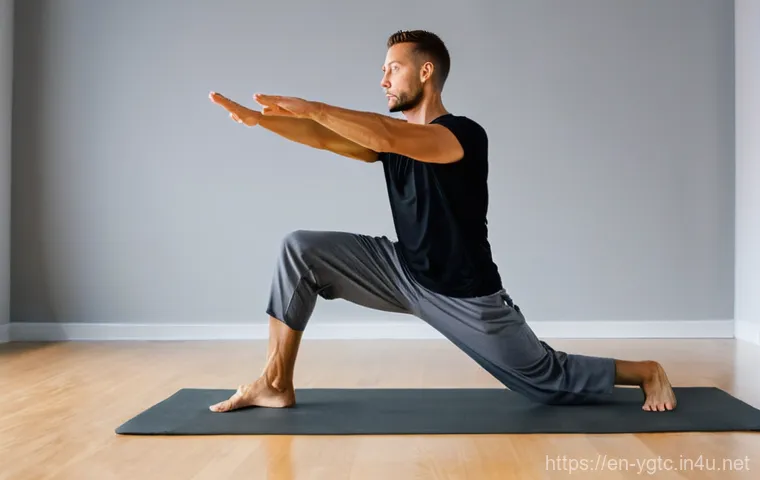
When you walk into that interview, they aren’t just looking for someone who can call out poses. Trust me on this, I’ve sat on both sides of that table, and what truly makes an impression is a clearly articulated teaching philosophy.
It’s about showing them your soul, your approach, and what makes your classes uniquely *yours*. Think of it this way: what is the core message you want your students to take away from your class, even beyond the physical postures?
Is it self-compassion, strength, mindfulness, or perhaps a blend of all three? I remember my first interview at a vibrant studio in Brooklyn; I was so focused on memorizing pose names I nearly forgot to convey why I teach in the first place.
Luckily, a wise friend reminded me to speak from the heart, and that shifted everything. This isn’t just about sounding intellectual; it’s about revealing your authentic passion and the genuine intention behind every flow you create.
It’s the invisible thread that weaves through your teaching, and when you can articulate it, you’ve already won half the battle.
Defining Your “Why”
Seriously, take some time to sit down with a journal and ask yourself, “Why do I teach yoga?” Your “why” isn’t just a simple answer; it’s a deep dive into what brought you to yoga, what keeps you coming back, and what drives you to share it with others.
For me, it was the profound sense of calm and self-acceptance I found on my mat during a particularly stressful period in my life. I wanted to help others discover that same sanctuary.
When you can share a personal, genuine story about your connection to yoga, it immediately resonates with people. It stops being just a job and starts becoming a mission, a calling.
Studio owners want teachers who are invested, not just clocking in hours. They want to see that spark in your eyes, that deep-seated belief in the transformative power of yoga.
Don’t be afraid to be vulnerable and share what truly motivates you; that authenticity is your biggest asset.
Articulating Your Student Connection
Beyond your own journey, how do you connect with the diverse individuals who show up on their mats? This is where you demonstrate your empathy and your understanding of the student experience.
Are you focused on creating a safe space for beginners, challenging advanced practitioners, or building a strong sense of community? When I taught at a bustling urban studio, I quickly realized that many students were coming straight from high-stress jobs, seeking an escape.
My philosophy naturally evolved to emphasize stress relief and mental clarity, not just physical prowess. Talk about how you adapt your teaching style to meet different needs, how you offer modifications, and how you ensure everyone feels seen and supported.
Give examples of how you’ve helped a student overcome a challenge or find a breakthrough. These anecdotes paint a vivid picture of you in action and show that you’re not just a pose-caller, but a true guide and facilitator of growth.
Showcasing Your Real-World Experience
Now, let’s get down to the nitty-gritty of what you’ve actually *done*. It’s not enough to just list your certifications; studio owners want to know how you’ve translated that knowledge into practical, impactful teaching experiences.
Think about every class you’ve ever taught, every workshop you’ve led, every private session you’ve guided. Even if you’re relatively new, highlight any opportunities you’ve had to lead, assist, or even substitute.
I remember when I was first starting out, I volunteered to assist more experienced teachers just to get more hours in a real classroom setting. Those experiences were invaluable in building my confidence and gave me tangible stories to share in interviews.
Don’t underestimate the power of showing, not just telling, what you’re capable of. They want to envision you confidently leading a full class, seamlessly flowing from one pose to the next, and providing insightful adjustments.
This section is where you really bring your resume to life.
Highlighting Diverse Teaching Scenarios
Have you taught different styles of yoga? To varying age groups? In different settings like a gym, a dedicated studio, a corporate wellness program, or even online?
Each of these experiences adds depth to your profile. For instance, teaching a prenatal yoga class requires a completely different approach and knowledge base than leading a power vinyasa class.
Being able to speak to these varied experiences demonstrates your versatility and adaptability. I once interviewed for a studio that also had a thriving senior citizen program, and my experience teaching chair yoga at a community center was a huge bonus, even though it wasn’t my primary teaching focus.
Detail how you adapted your curriculum, communication style, and physical assists to suit the specific needs of each group. This shows them you’re not a one-trick pony, but a well-rounded instructor who can serve a broad spectrum of their client base.
Quantifying Your Impact
While yoga isn’t always about numbers, don’t shy away from quantifying your achievements where possible. Did you grow attendance in a particular class?
Receive overwhelmingly positive feedback from students? Develop a new workshop that was fully booked? For example, instead of just saying “I taught many classes,” try “I consistently maintained an average of 15-20 students in my evening Vinyasa flow classes over the past year, often receiving feedback about the creative sequencing.” Or, “I developed and led a ‘Yoga for Beginners’ workshop that sold out three consecutive times.” These kinds of statements provide concrete evidence of your success and demonstrate your value.
Studio owners are running businesses, and they appreciate teachers who can contribute to their growth and reputation. Think about testimonials you’ve received or any measurable results that showcase your ability to attract and retain students.
Mastering the Practical Audition
Okay, deep breaths! The practical audition, often called a “teach-back” or “demo,” can feel like the most nerve-wracking part, but it’s also your absolute best chance to shine and show off your unique teaching style.
I remember walking into my first teach-back with sweaty palms, but once the music started and I began to flow, I completely forgot the interviewers were even there.
It became my space, my class. This isn’t just about performing a perfect sequence; it’s about embodying your presence, your voice, your command of the room, and your ability to connect with “students” (even if they’re just the studio owner and manager).
They’re looking for how you cue, how you adjust, your energy, and how you create an inviting atmosphere. This is where your philosophy truly comes to life on the mat.
Designing an Engaging Class Flow
Before you even step on the mat, consider the specific requirements they’ve given you for the audition. Is it a 10-minute segment? A full class?
A particular style? Plan your sequence carefully, but don’t over-choreograph it to the point where it feels stiff. You want a balance of structure and fluidity.
Think about a warm-up, a peak pose or two, and a cool-down, even in a short segment. Make sure your verbal cues are clear, concise, and inspiring. Use both anatomical and energetic cues to guide your “students.” And please, for the love of all things yoga, practice, practice, practice!
Not just the physical flow, but *out loud* as if you have a class in front of you. Record yourself if you can. It helps immensely to hear how you sound and spot areas for improvement.
This preparation isn’t about perfection; it’s about being prepared to be authentically *you* under pressure.
Receiving and Applying Feedback
After your teach-back, they’ll likely offer feedback. This is a golden opportunity, not a critique to dread! Approach it with an open mind and a willingness to learn.
Even if you’ve been teaching for years, there’s always room for growth. I’ve found that some of the most insightful feedback I’ve ever received came from studio owners who saw things I was completely blind to.
Listen actively, ask clarifying questions if you need to, and most importantly, show that you can integrate their suggestions. You don’t have to agree with every single point, but demonstrating receptiveness and a growth mindset speaks volumes about your professionalism.
Sometimes they might even ask you to try implementing a piece of feedback right then and there. This is your chance to show your adaptability and teachability – qualities highly valued in any teaching role.
Connecting with Studio Culture and Community
Every yoga studio has its own unique heartbeat, its own vibe, its own community. When you’re interviewing, they’re not just hiring a yoga teacher; they’re inviting a new member into their family, so to speak.
Understanding and genuinely aligning with their culture is absolutely critical. I’ve seen incredibly talented teachers not get hired because they just didn’t “fit” the studio’s ethos.
It’s not about changing who you are, but about finding a place where your authentic self can truly thrive and contribute to the existing energy. This research phase is just as important as perfecting your downward dog.
Researching the Studio’s Vibe
Before you even submit your application, do your homework! Visit the studio, take a class or two, observe the students, the staff, and the overall atmosphere.
What kind of music do they play? Is it a high-energy power studio or a tranquil restorative haven? Do they emphasize alignment, philosophy, or perhaps a more athletic approach?
Check out their website, their social media, read their “About Us” section. Pay attention to their mission statement. I once interviewed for a studio known for its strong emphasis on community service, and during my interview, I made sure to mention my past volunteer work and how I believe yoga can be a tool for social good.
This showed them I wasn’t just looking for a job, but for a place where my values aligned. The more you know, the more authentically you can speak to why *that* particular studio is the perfect fit for you.
Demonstrating Community Engagement
Yoga studios often thrive on their sense of community. So, how do you plan to contribute beyond just teaching your scheduled classes? Do you have ideas for workshops, events, or even just initiatives that foster connection among students?
Share your enthusiasm for being part of something bigger. Maybe you’re passionate about organizing themed classes, leading outdoor yoga events, or collaborating with local businesses.
I often tell interviewers that I love staying after class to chat with students and build rapport, because I genuinely do! This shows you’re not just in it for the paycheck but truly want to cultivate relationships and contribute to the studio’s vibrant atmosphere.
They want someone who will be an ambassador for their brand and help build a loyal student base. Your genuine desire to be part of their community will shine through and make a lasting impression.
Addressing the Tougher Questions

Let’s face it, not every interview question is going to be a walk in the park. There will be those curveballs, the questions designed to see how you think on your feet, how you handle pressure, and how you address potential challenges.
But here’s a secret: these are often the questions where you can truly stand out! Your honesty, resilience, and problem-solving skills will shine through.
I’ve certainly stumbled on a few of these in the past, only to realize later that a little preparation and a calm mindset could have made all the difference.
Don’t shy away from these; embrace them as an opportunity to show your depth.
Handling Challenging Scenarios
You might be asked about how you handle a disruptive student, what you do when someone gets injured in class, or how you adapt when technology fails. These aren’t trick questions; they’re designed to assess your judgment, your safety protocols, and your ability to remain calm under pressure.
My best advice here is to draw on actual experiences. For instance, if asked about an injury, I would recall a time I had a student tweak their knee, explaining how I immediately assessed the situation, offered modifications, and followed up after class.
If you don’t have a direct experience, think about how you *would* handle it based on your training and common sense. Emphasize student safety and your ability to remain composed and professional.
It’s about demonstrating your competence and your commitment to creating a safe and supportive environment for everyone.
Discussing Compensation and Growth
The money talk can feel awkward, but it’s a necessary part of the process. Be prepared to discuss your salary expectations, but do so thoughtfully. It’s always a good idea to research the typical rates for yoga instructors in your area and for studios of a similar size and prestige.
You don’t want to undersell yourself, but you also need to be realistic. Furthermore, don’t just focus on the immediate compensation. Ask about opportunities for professional development, continued education, and potential for growth within the studio.
Do they offer mentorship programs? Support for workshops? This shows them you’re invested in a long-term relationship and eager to continually refine your craft.
It shows you’re thinking beyond just teaching a single class and are interested in building a career with them.
| Interview Stage | Key Focus Areas | Pro-Tips |
|---|---|---|
| Initial Chat/Phone Screen | Your “Why,” Availability, General Experience | Be enthusiastic, clear, and confirm your availability. Have your resume handy. |
| In-Person Interview | Philosophy, Experience, Culture Fit, Challenging Questions | Research the studio, prepare stories, ask thoughtful questions about the community. |
| Practical Audition/Teach-Back | Teaching Style, Cues, Energy, Presence, Adaptability | Practice your sequence out loud, be authentic, be open to feedback, keep it simple and safe. |
| Follow-Up/Negotiation | Professionalism, Expectations, Long-Term Fit | Send a thank-you, be clear about your value, express continued interest. |
Following Up and Sealing the Deal
Alright, you’ve rocked the interview, you’ve poured your heart out, and you’ve shown them your incredible teaching skills. Now what? The game isn’t over yet, my friend!
The follow-up is where you cement your impression and gently nudge yourself to the top of their minds. It’s a small gesture that speaks volumes about your professionalism, your attention to detail, and your genuine interest in the position.
Trust me, in a sea of applicants, a thoughtful follow-up can be the subtle differentiator that lands you the job. I’ve personally seen candidates who were neck and neck, and the one who sent that perfectly timed, heartfelt thank-you note ended up getting the offer.
The Power of a Thoughtful Thank You
This isn’t just a formality; it’s a strategic move. Within 24 hours of your interview or audition, send a personalized thank-you email to everyone you interviewed with.
And I mean *personalized*. Reference specific points from your conversation. For example, “It was wonderful discussing your studio’s community outreach initiatives, especially given my passion for…” or “I particularly enjoyed our conversation about integrating mindfulness practices into Vinyasa flow and appreciate your feedback on my class sequence.” This shows you were listening, you’re engaged, and you’re not just sending a generic template.
Reiterate your enthusiasm for the role and the studio. Keep it concise, professional, and warm. It’s a chance to remind them of your unique qualities and reinforce why you’re the perfect fit.
Staying Top of Mind (Politically)
Sometimes, hiring decisions take a little longer than expected. It’s perfectly okay to follow up again if you haven’t heard back within the timeframe they provided.
However, do so politely and professionally, typically after about a week to ten days from your thank-you note. A simple email inquiring about the status of your application, reiterating your interest, and asking if there’s any further information you can provide, is usually sufficient.
Avoid bombarding them with messages; find that sweet spot between eager and annoying. Show patience and respect for their process. Remember, you want to be seen as a desirable candidate, not a desperate one.
Maintaining that positive, professional communication can keep you top of mind without being intrusive, proving you understand the nuances of professional interaction.
Beyond the Mat: Professionalism and Preparation
Being a yoga instructor isn’t just about what happens when you’re guiding a class; it’s also about how you carry yourself as a professional. Studio owners are looking for reliability, punctuality, and a sense of responsibility.
You are representing their brand, their space, and their reputation, both inside and outside of the studio. I’ve seen incredibly talented teachers fall short because they consistently arrived late or were disorganized.
This might seem like basic common sense, but under interview pressure, these small details can sometimes get overlooked. This is your chance to show them that you are not just a passionate yogi, but a truly dependable and conscientious individual.
Dress for Success (Yoga Style)
While you’re not expected to show up in a suit and tie, your attire for the interview should still be professional and reflective of the yoga world. Think neat, clean, and comfortable yoga wear, or smart casual attire.
If you’re doing a teach-back, wear something you can move freely and confidently in. It’s about looking presentable and showing respect for the interview process.
Avoid anything too revealing, overly casual, or distracting. I usually opt for nice leggings, a simple top, and a cardigan or light jacket, always making sure my hair is tidy.
It’s about demonstrating that you take the opportunity seriously without losing your authentic yoga-teacher aesthetic. You’re setting the tone for how you would present yourself as part of their team.
Logistics and Punctuality
There’s nothing worse than showing up late to an interview, especially for a job that values timeliness and respect for others’ time! Plan your route, factor in potential traffic or public transport delays, and aim to arrive at least 10-15 minutes early.
This gives you time to find parking, check in, take a few deep breaths, and compose yourself. Arriving early also shows you are organized and considerate.
Have all your necessary documents ready: resume, certifications, references, and any questions you might want to ask. Bring a notebook and pen to jot down notes – it shows you’re engaged and taking the conversation seriously.
Being prepared logistically reduces stress and allows you to focus all your energy on making a fantastic impression during the actual interview.
Wrapping Things Up
Whew, we’ve covered a lot, haven’t we? I know it can feel like a marathon preparing for these interviews, but honestly, it’s such a crucial step in finding a studio where you truly belong and can thrive.
Remember, every studio owner is looking for that spark, that genuine passion you bring to the mat. Don’t be afraid to let your unique light shine through!
I’ve been there, feeling the jitters and questioning if I was “enough,” but what I learned is that authenticity trumps everything. Trust in your journey, trust in your teaching, and most importantly, trust in yourself.
You’ve got this.
Handy Tips You’ll Be Glad You Knew
1. Deep Dive into Studio Culture: Before applying, take a class at the studio or thoroughly check their website and social media. Understanding their specific vibe, student base, and mission statement will help you tailor your responses and show genuine alignment.
2. Craft a Stand-Out Demo: If an audition is part of the process, design a short, impactful sequence that showcases your teaching style, clear cueing, and ability to connect. Practice it out loud many times until it feels natural, not rehearsed.
3. Personalized Follow-Up is Key: A generic “thank you” email just won’t cut it. Send a personalized message to each interviewer within 24 hours, referencing specific points of discussion to show you were engaged and attentive. It truly makes a lasting impression!
4. Be Prepared for “The Money Talk”: Research average instructor rates in your area. Be confident and realistic when discussing compensation, and don’t forget to inquire about growth opportunities, workshops, and professional development programs they might offer.
5. Articulate Your “Why”: Take time to genuinely reflect on *why* you teach yoga. Your personal story and philosophy are your secret sauce. Being able to articulate this with heart and conviction will resonate deeply with interviewers and set you apart.
Key Takeaways
The journey to securing your ideal yoga teaching role is deeply personal, yet universally demands preparation and authenticity. By clearly defining your unique teaching philosophy, showcasing your real-world experience, and mastering the practical audition with confidence, you’ll paint a vivid picture of the dedicated instructor you are.
Equally vital is demonstrating a genuine connection with the studio’s culture and community, proving you’re not just a teacher, but a valuable addition to their family.
Remember to handle challenging questions with grace and professionalism, and always, always follow up with thoughtful communication. It’s these layers of genuine effort, combined with your unique light, that will help you truly shine and land the perfect mat.
Frequently Asked Questions (FAQ) 📖
Q: What’s your core teaching philosophy, and how does it shape your classes?
A: Oh, this is such a fantastic question, and honestly, it’s one I’ve spent years refining for myself. My absolute core teaching philosophy revolves around empowering students to truly listen to their own bodies and embrace their unique journey on the mat.
When I first started teaching, I thought it was all about perfect alignment and making sure everyone looked exactly like the picture in a book. But as I’ve grown, both as a practitioner and an instructor, I’ve realized that yoga is so much more profound than just external form.
I truly believe that the greatest gift I can give my students is the tools to connect with their inner wisdom, to find what feels right for them, and to release any judgment about what they “should” be doing.
So, in my classes, you’ll find me often reminding students, “This is your practice, your body, your breath.” I always offer plenty of modifications and variations, encouraging exploration rather than strict adherence.
It’s a very heart-centered approach, focusing on building a sense of curiosity, self-compassion, and resilience. I remember vividly a student who came to my class feeling incredibly self-conscious because they couldn’t touch their toes.
By the end of a few weeks, after I constantly emphasized listening to their hamstrings and celebrating every tiny increment of release, they weren’t just touching their toes, but they had also found a profound sense of self-acceptance.
That’s the magic I aim to create – a space where people feel safe to explore, grow, and truly celebrate themselves, exactly as they are. This approach isn’t just about physical postures; it’s about fostering a deeper connection to oneself, both on and off the mat, which I’ve found to be incredibly transformative for everyone involved.
Q: How do you handle a student who is struggling in class, either physically or emotionally, or seems disengaged?
A: We’ve all been there, right? As instructors, our eyes are constantly scanning the room, not just for alignment, but for energy, for comfort, for connection.
My first instinct, always, is observation without judgment. If I notice someone struggling physically, perhaps pushing too hard, looking confused, or moving in a way that seems unsafe, I’ll typically approach them quietly, offer a gentle verbal cue first, like “Feel free to modify, listen to your knees,” or “A gentle bend in the knees can bring more ease here.” If that doesn’t quite land, or if I see persistent struggle, I’ll quietly walk over, make eye contact, and offer a hands-on assist if appropriate and welcomed, or suggest a specific modification.
For instance, “Would you like a block under your hands for more support in this pose?” or “Sometimes a blanket under the knees makes this much more comfortable.” I truly believe in offering choices rather than corrections.
If someone seems emotionally disengaged or overwhelmed, that’s a different kind of gentle approach. I might adjust my language to be even more inviting and less demanding, emphasizing rest or gentle movement.
Sometimes, just holding space and letting them be is the most powerful thing. I remember a particularly challenging class where a new student looked almost in tears during Savasana.
Instead of asking what was wrong, I simply knelt beside them for a moment, offered a gentle hand on their shoulder (after asking permission with my eyes), and just held space.
Afterwards, they came up to me and thanked me, saying that moment of silent, compassionate presence was exactly what they needed. It taught me that sometimes, the biggest struggles aren’t physical, and a soft, understanding presence can be more impactful than any verbal cue.
My goal is always to create an environment where every student feels seen, supported, and respected, no matter what they’re experiencing.
Q: What makes you unique as a yoga instructor, and why do you feel you’d be a great fit for our studio?
A: This question always makes my heart swell a bit, because it’s where you truly get to share your authentic self! What makes me unique, I believe, is my genuine passion for making yoga accessible and deeply personal for everyone.
I don’t just teach sequences; I strive to create an experience that feels empowering and reflective for each individual in the room. I bring a blend of mindful sequencing, a playful spirit, and a truly empathetic approach that focuses on connecting with students on a deeper level.
I’ve personally found that the best teachers aren’t just experts in poses, but masters of connection, and that’s something I genuinely pride myself on.
My classes are known for being both challenging and incredibly supportive, often weaving in themes that resonate beyond the mat, encouraging self-reflection and growth.
I vividly recall a student telling me after a class, “I came for the stretch, but I stayed for the peace you helped me find.” As for why I’d be a great fit for your studio, I’ve been following [Studio Name, I’d insert the actual name here if I knew it!] for a while now, and I’m consistently drawn to your commitment to fostering a genuine community and your emphasis on [mention a specific value or style of the studio, e.g., restorative practices, empowering women, diverse offerings, mindful flow].
Your studio’s philosophy of [mention another specific value or mission] deeply aligns with my own belief that yoga is a journey of self-discovery and connection, not just a workout.
I truly feel my unique blend of [mention your specific teaching style or niche, e.g., intuitive sequencing, trauma-informed approach, energetic flows with deep relaxation] would not only complement your existing incredible team but also attract new students looking for that deeper, more personal experience.
I’m not just looking for a place to teach; I’m looking for a community to grow with, and I genuinely feel that with [Studio Name], I’ve found that perfect alignment.
I’m excited about the possibility of bringing my energy and dedication to your mats and being a part of something truly special.