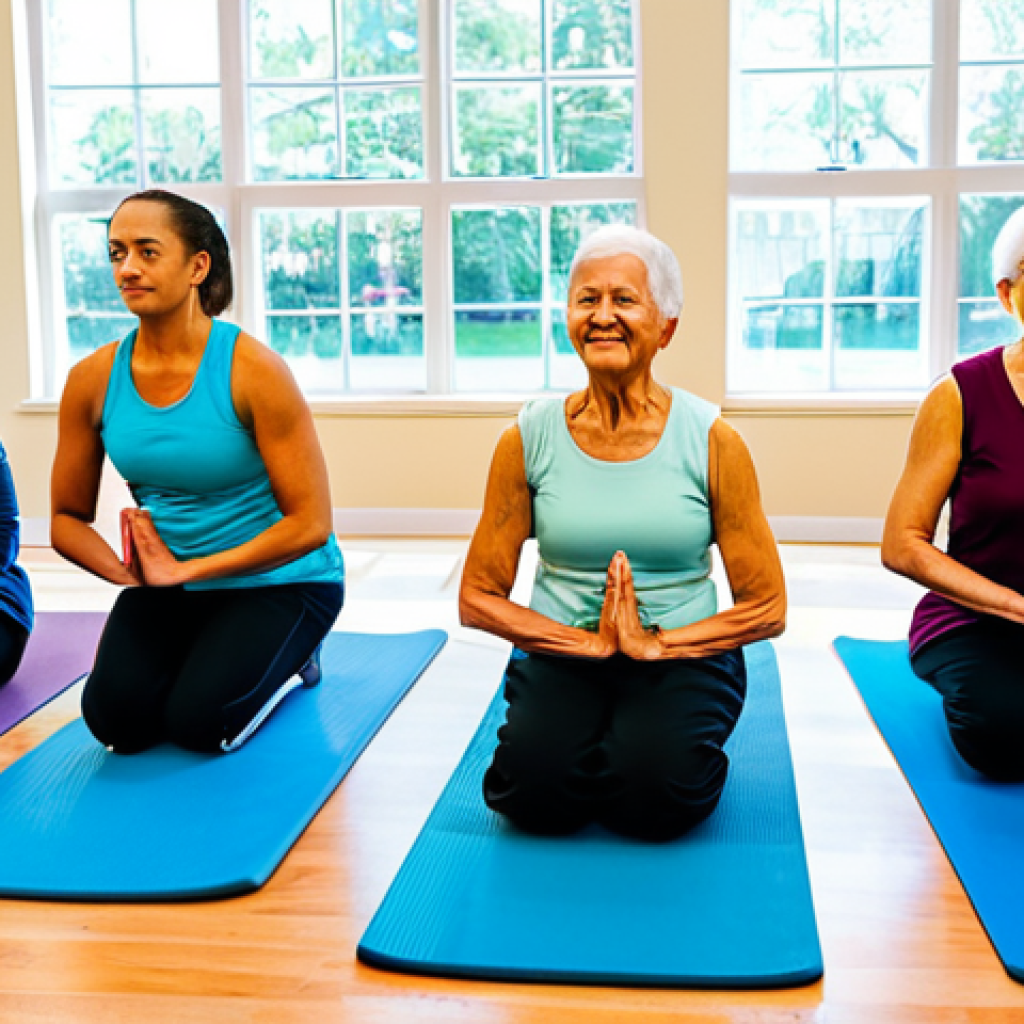
I remember the very first time a yoga class genuinely shifted something within me – that deep sense of calm, the quiet strength it instilled. It wasn’t just about the physical poses; it was a profound journey that felt universally needed.
As a practitioner myself, I’ve always felt that the transformative power of yoga shouldn’t be a luxury, but something accessible to everyone, regardless of their circumstances.
This conviction is precisely what draws me to the incredible potential of yoga instructors offering their time and expertise pro bono. In our increasingly digital world, where mental health challenges are more prevalent than ever, the act of giving back through yoga isn’t just charity; it’s a vital community service, fostering resilience and connection in ways we’re only just beginning to fully appreciate.
From pop-up classes in community centers to online sessions reaching underserved populations, the landscape of wellness is evolving, and pro bono yoga is at its heart, building bridges to well-being for countless individuals.
Let’s explore this in more detail.
The Expanding Horizon of Compassionate Wellness
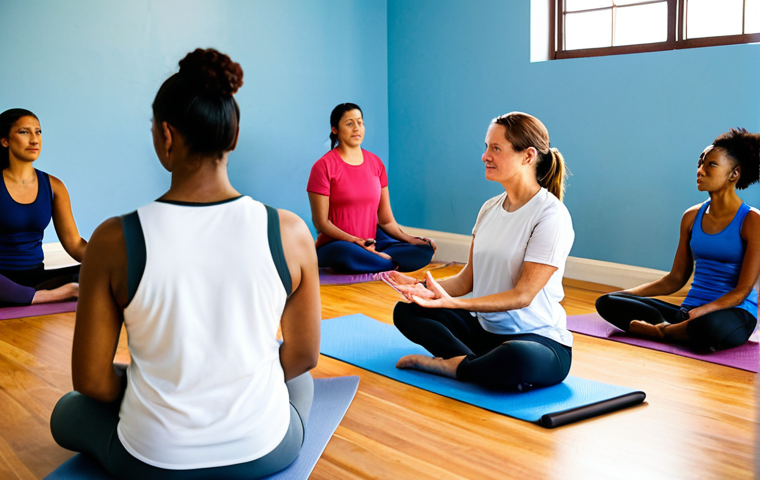
There’s a palpable shift happening in the wellness landscape, a quiet revolution if you will, where the deep, restorative power of yoga is moving beyond boutique studios and becoming truly accessible. I’ve personally seen, time and again, the profound impact a simple yoga class can have on someone who never thought it was for them. It’s more than just stretching; it’s about finding a moment of peace, building inner resilience, and connecting with a sense of self that might have been lost in the daily grind. This is precisely where the heart of pro bono yoga beats strongest – in reaching out to those populations who, for various reasons, face barriers to accessing these vital practices. Think about individuals recovering from addiction, navigating homelessness, dealing with chronic stress from low-income jobs, or even those in isolated rural communities. Their need for tools to manage stress, improve mental clarity, and foster physical well-being is often the most acute, yet their access to such resources is typically the most limited. When a yoga instructor dedicates their time and skill pro bono, they’re not just teaching poses; they’re offering a lifeline, a pathway to self-care that can fundamentally alter someone’s trajectory. I remember one participant, a young woman struggling with anxiety, who told me after just a few pro bono sessions that she felt “seen” and “heard” for the first time in years, not just in her physical struggles but in her emotional ones. That’s the real magic, the transformative power that fuels this movement, making well-being not a privilege, but a universal right.
Empowering Vulnerable Communities Through Movement
One of the most immediate and tangible effects of pro bono yoga is its ability to empower communities that are often marginalized or overlooked. These aren’t just one-off events; we’re talking about sustained programs that integrate deeply into the fabric of a community, fostering long-term change. I’ve witnessed firsthand how regular sessions in homeless shelters can offer a sense of stability and routine, providing a much-needed mental break from the daily struggle for survival. For veterans dealing with PTSD, the controlled movements and breathwork can be incredibly grounding, helping to re-regulate the nervous system and offer a sense of agency over their bodies and minds that they may have lost. In schools located in underserved areas, yoga can become a critical tool for young people to manage stress, improve focus, and develop emotional intelligence, skills that are invaluable for their academic success and future well-being. It’s about building a sense of belonging, too. When people come together on the mat, regardless of their background, there’s an inherent creation of a supportive, non-judgmental space. This shared experience can break down social barriers and foster a sense of collective healing, creating ripple effects that extend far beyond the yoga mat itself, strengthening community bonds and creating healthier, more connected neighborhoods. It’s a holistic approach to community development, addressing not just physical health but also mental, emotional, and social well-being.
The Unseen Benefits: Beyond Physical Postures
While the physical benefits of yoga are widely known – improved flexibility, strength, balance – the true depth of its pro bono impact often lies in the less visible, yet profoundly transformative, aspects. When I guide a class of individuals who have experienced trauma, for instance, the focus shifts dramatically from achieving a perfect pose to creating a safe space for embodied presence and gentle self-exploration. The emphasis is on breath as an anchor, on cultivating mindful awareness, and on simply being present without judgment. This can be incredibly liberating for those who live in a constant state of hyper-vigilance or disassociation. Moreover, pro bono yoga often addresses significant mental health challenges that are disproportionately prevalent in vulnerable populations, from anxiety and depression to chronic stress and emotional dysregulation. The practice offers practical, accessible tools for self-regulation, helping individuals develop coping mechanisms that extend beyond the mat into their daily lives. I’ve seen individuals, initially hesitant and withdrawn, gradually open up, making eye contact, and even sharing their experiences, discovering a newfound sense of self-worth and agency. It’s not just about what they do on the mat, but how they feel about themselves off the mat – more calm, more centered, more capable of facing life’s challenges. The generosity of time and expertise from instructors creates a unique healing environment where these deeper, often unseen, transformations can truly take root and flourish.
Navigating the Path: Challenges and Opportunities in Pro Bono Teaching
While the rewards of pro bono yoga are immense, it’s not without its unique set of challenges. As an instructor, I’ve learned that teaching in a community center or a shelter is fundamentally different from a studio setting. The environment itself might be less than ideal – perhaps a noisy room, limited space, or an unpredictable schedule. Then there’s the diverse range of needs among participants; you might have individuals with severe physical limitations, others dealing with acute emotional distress, and some with no prior exposure to mindful movement whatsoever. This demands incredible adaptability, empathy, and a deep understanding of trauma-informed approaches. It’s not about pushing limits, but about offering invitations, creating a sense of safety, and meeting each person exactly where they are. Funding can also be a significant hurdle for organizations relying on pro bono services. While instructors donate their time, there might still be needs for mats, props, or even travel stipends. Yet, within these challenges lie immense opportunities for innovation and deeper connection. Every obstacle I’ve encountered has pushed me to grow as an instructor, to refine my teaching style, and to deepen my understanding of the human experience. It’s a constant learning curve, but one that enriches not only the participants but also the instructors themselves, fostering a sense of purpose and contribution that few other experiences can match.
Tailoring Approaches for Diverse Populations
One of the most critical aspects of successful pro bono yoga is the ability to truly tailor the practice to the specific needs of the population being served. What works for a group of corporate executives is unlikely to resonate with individuals experiencing homelessness or incarcerated youth. My own experience has taught me that the language used, the pace of the class, and even the choice of postures must be carefully considered. For example, when working with individuals who have experienced trauma, I prioritize grounding exercises, gentle movements, and an emphasis on choice and agency, always inviting participants to listen to their own bodies rather than following rigid instructions. This means being incredibly flexible, sometimes even abandoning a planned sequence if the energy in the room dictates a different approach. It’s about building trust, which takes time and consistency. For older adults, chair yoga or gentle therapeutic movements might be more appropriate, focusing on mobility and balance. In settings with limited space or resources, creative solutions like standing sequences or partner work can be invaluable. This level of customization requires not only expertise in yoga but also a genuine curiosity about human behavior, a willingness to listen, and a deep respect for the lived experiences of others. It’s a dynamic process of adaptation and responsiveness, making each class a unique co-creation between instructor and participants.
Building Sustainable Partnerships and Programs
Sustainability is often the elephant in the room when discussing pro bono initiatives. While individual instructors are crucial, the long-term impact often hinges on establishing robust partnerships with community organizations, non-profits, and even local government agencies. From my perspective, these collaborations are the bedrock upon which effective, ongoing programs are built. It’s about more than just finding a space; it’s about aligning missions, sharing resources, and creating a cohesive support system. For instance, partnering with a local food bank might mean offering yoga classes as part of their wellness outreach, or collaborating with a mental health clinic to provide complementary therapies. These partnerships not only provide a stable environment for classes but also help with outreach, ensuring that the yoga reaches those who need it most. Furthermore, securing even small grants or finding creative ways to fund basic supplies like mats and blocks can significantly enhance the program’s longevity and quality. Developing clear communication channels and setting realistic expectations with partner organizations are vital to prevent burnout and ensure that the program remains beneficial for all involved. It’s a delicate dance of coordination and shared vision, but when done well, it transforms transient efforts into enduring community assets, weaving the thread of wellness deeply into the community fabric.
The Ripple Effect: How Giving Back Transforms the Giver
While the focus of pro bono yoga is undoubtedly on serving others, I’ve found that the profound impact often ripples back to the instructors themselves, transforming them in unexpected and deeply meaningful ways. It’s an experience that goes far beyond any monetary compensation, offering a richness that truly redefines success. I remember feeling a sense of renewed purpose after my very first pro bono class in a youth detention center. The raw honesty and vulnerability of the participants, coupled with their sheer gratitude, opened my eyes to a different dimension of teaching. It wasn’t about perfect alignment or advanced poses; it was about connection, presence, and holding space for healing. This kind of work cultivates a deeper sense of empathy and compassion, pushing you beyond your comfort zone and challenging preconceived notions. It forces you to be more adaptable, more creative, and more attuned to the subtle nuances of human emotion. The stories you hear, the smiles you receive, the small breakthroughs you witness – these moments become etched in your memory, serving as powerful reminders of why you started teaching yoga in the first place. It’s a constant source of inspiration, preventing burnout by refilling your own well of purpose. In essence, by giving freely of your time and expertise, you receive something invaluable in return: a heightened sense of meaning, a deeper connection to humanity, and a profound appreciation for the universal healing potential of yoga.
Personal Growth Through Altruism
Engaging in pro bono yoga instruction fosters a unique kind of personal growth that classroom study or regular studio teaching simply can’t replicate. It challenges your assumptions, broadens your perspective, and hones your teaching skills in ways you never anticipated. I’ve personally found that working with diverse populations requires an incredible amount of improvisation and intuitive teaching. You learn to read a room, adapt on the fly, and communicate complex concepts in the simplest, most accessible terms. This process inevitably makes you a more versatile, patient, and empathetic instructor. Beyond the technical aspects, there’s a significant emotional and spiritual development that occurs. Witnessing the struggles and resilience of others cultivates a profound sense of gratitude for your own circumstances and a deeper understanding of universal human experiences. It peels back layers of superficiality, allowing you to connect with the core essence of your practice and your purpose. I’ve observed that many instructors who engage in pro bono work report a significant increase in their overall life satisfaction and a reduced sense of isolation, finding a strong community among fellow altruistic teachers. This isn’t just about feeling good; it’s about becoming a more complete, compassionate, and effective human being, both on and off the yoga mat.
Building a Deeper Connection to the Practice
For me, teaching pro bono has profoundly deepened my own relationship with yoga, grounding it in a way that commercial teaching often doesn’t. When you’re teaching in settings where individuals are grappling with fundamental life challenges, the practice of yoga strips away any pretense and reveals its raw, essential power. It stops being just a physical exercise or a trend and becomes a vital tool for survival, healing, and self-discovery. This renewed perspective inevitably filters back into your personal practice, making it more mindful, more intentional, and more meaningful. You begin to appreciate the simple breath, the subtle shifts, and the profound calm that yoga offers in a new light, understanding its absolute necessity for mental and emotional well-being. It reconnects you with the philosophical roots of yoga – the principles of compassion (Ahimsa), truthfulness (Satya), and selfless service (Seva). This isn’t just about sharing knowledge; it’s about living your yoga, embodying its principles in action. It reinforces the idea that yoga is a journey inward, a path to self-awareness and peace, and that sharing this path with those who need it most is one of the most rewarding expressions of the practice itself. It’s a constant reminder of the gift that yoga truly is, and a call to share that gift widely and unconditionally.
Empowering Change: Practical Steps for Aspiring Pro Bono Instructors
If reading this sparks a desire within you to contribute your skills, then the journey into pro bono yoga instruction is incredibly rewarding and more accessible than you might think. From my own experience, the first step is often the most important: identifying where your skills and passion can best serve. This isn’t about grand gestures, but about finding a need and a community that resonates with you personally. I remember feeling overwhelmed by the possibilities initially, but a conversation with a local social worker quickly clarified a pressing need for mindful movement in a nearby youth center. Start small, perhaps by offering a single weekly class, and allow yourself to learn and adapt. Networking within the yoga community and connecting with local non-profits are crucial. Many organizations are actively seeking dedicated instructors, and word-of-mouth is powerful. Moreover, consider specific training in trauma-informed yoga or adaptive yoga, as these skills are invaluable when working with diverse and vulnerable populations. It’s about preparing yourself not just with the physical practice, but with the sensitivity and understanding required to create a truly safe and supportive environment for everyone. The impact you can make, even with just an hour a week, is immeasurable, contributing to a healthier, more resilient community one breath at a time.
Finding the Right Fit: Identifying Community Needs
Identifying the right community or organization to partner with is paramount to a successful pro bono initiative. It’s not a one-size-fits-all situation; different populations have vastly different needs and preferences. I always advise aspiring pro bono instructors to start by researching local charities, shelters, schools, or community centers. Do they already have wellness programs? Is there a demonstrated interest in yoga or mindfulness? Engaging in a genuine dialogue with the organization’s staff about their specific challenges and the demographics they serve can reveal critical insights. For instance, a women’s shelter might benefit from gentle, restorative practices focused on healing trauma, while a senior center might prefer chair yoga to improve mobility and reduce falls. It’s essential to listen more than you speak initially, allowing the community’s needs to guide your offering rather than imposing a pre-set curriculum. This approach builds trust and ensures that your efforts are truly impactful and sustainable. Remember, the goal is to integrate yoga seamlessly into their existing support structures, providing a valuable resource that addresses a real, felt need. This foundational research and collaborative spirit are what transform a good intention into a truly effective program, making your contribution not just helpful, but truly indispensable to those you serve.
Essential Preparations for Pro Bono Teaching
Stepping into a pro bono teaching role requires a bit more than just your yoga teacher training certificate. Based on my journey, several key preparations can significantly enhance your effectiveness and the safety of your students. Firstly, ensuring you have adequate liability insurance is non-negotiable; this protects both you and the organization you’re serving. Secondly, if you’re working with specific vulnerable populations (e.g., children, individuals with trauma, those in recovery), seeking specialized training in trauma-informed yoga or adaptive yoga is incredibly beneficial. These certifications equip you with the nuanced understanding and appropriate techniques to create a safe and healing space. Thirdly, establish clear communication channels with the partner organization regarding class logistics, attendance, and any specific considerations for participants. This includes understanding their intake processes or confidentiality protocols. Furthermore, be prepared to be flexible with your teaching style and expectations. The environment might be less than ideal, and participants may arrive with varying levels of physical and emotional capacity. Having a diverse repertoire of modifications and variations, along with a deep well of patience and compassion, will serve you well. Lastly, self-care is crucial. This work can be emotionally demanding, so ensuring you have your own support system and self-care practices in place is vital to sustain your energy and passion for the long term.
The Tangible Impact: Measuring Success Beyond Studio Metrics
In the world of commercial yoga, success is often measured by class attendance, membership renewals, or revenue. But for pro bono yoga, the metrics of success are entirely different, and frankly, far more profound. It’s not about the bottom line; it’s about the human impact. I’ve personally stopped focusing on how many people are in the room and started observing the subtle shifts: the softening of a tense jaw, the quiet confidence in someone’s gaze, the sharing of a heartfelt story after class, or simply the ability of someone to find a moment of peace amidst chaos. These are the true markers of success. While quantitative data can be challenging to collect in many pro bono settings, qualitative feedback is invaluable. This might involve simple check-ins, anonymous surveys if appropriate, or even just consistent observation and conversation. The stories of individual transformation, the anecdotal evidence of improved well-being, and the consistent demand for ongoing classes are all powerful indicators that the program is making a tangible difference. It’s about empowering individuals with tools for self-regulation, building community resilience, and fostering a sense of hope where it might have been diminished. The ripple effect of one person finding peace can extend outwards, touching families, neighborhoods, and ultimately, contributing to a more compassionate society. This kind of success isn’t just felt; it’s lived.
Capturing the Unseen Transformations
Measuring the success of pro bono yoga often requires a more qualitative and nuanced approach than simply counting heads or tracking sales. For me, the true indicators lie in the subtle yet profound transformations I observe in participants over time. It’s in the way someone who initially arrived with slumped shoulders and downcast eyes gradually begins to stand taller, making eye contact, or even offering a shy smile. It’s in the quiet whispers after class where a participant shares how they used a breathing technique to calm themselves during a stressful moment outside of class, or how they finally slept soundly after weeks of insomnia. While formal studies are valuable, the richness often lies in personal narratives and observed behavioral changes. Keeping a journal of these observations, with appropriate confidentiality, can be incredibly validating for instructors and helpful for communicating impact to partner organizations. Sometimes, success is simply a student showing up consistently, indicating they value the space and the practice. These are the “unseen” transformations that truly speak to the power of accessible yoga, highlighting its role not just as a physical activity, but as a catalyst for deep emotional and mental healing. It underscores that real change isn’t always quantifiable but is undeniably palpable.
The Broader Societal Return on Investment
Beyond individual transformation, pro bono yoga offers a significant, albeit often unquantified, societal return on investment. When individuals gain tools to manage stress, improve their mental health, and develop self-awareness, the benefits extend far beyond their personal lives. Healthier, more resilient individuals are better able to contribute to their families, communities, and economies. Imagine the reduction in healthcare costs associated with improved mental and physical well-being, or the increased productivity and reduced absenteeism that comes from a more centered workforce. From my perspective, this isn’t merely charity; it’s a strategic investment in human capital. Programs that foster peace, self-regulation, and community connection can contribute to a reduction in social challenges, from crime rates to addiction relapses. While calculating a precise monetary ROI for these “soft” benefits can be complex, the anecdotal and qualitative evidence is overwhelmingly clear: investing in accessible wellness programs like pro bono yoga builds stronger, more cohesive, and more compassionate societies. It’s about proactive health and well-being, creating a foundational layer of support that can prevent crises and empower individuals to thrive, not just survive. This broader impact, though harder to measure with traditional metrics, is perhaps the most significant contribution of all.
| Aspect of Impact | Key Benefits of Pro Bono Yoga Programs | Observations from My Experience |
|---|---|---|
| Mental Well-being | Reduces stress, anxiety, and symptoms of depression; improves emotional regulation; fosters mindfulness. | Witnessed significant shifts in emotional demeanor, reduced panic attacks, and greater reported calm among participants struggling with anxiety. |
| Physical Health | Enhances flexibility, strength, balance; improves body awareness; can alleviate chronic pain. | Saw participants gain confidence in movement, report decreased back pain, and improve overall functional mobility, especially in older adults. |
| Community & Connection | Builds supportive social networks; reduces isolation; fosters a sense of belonging and trust. | Observed strong bonds forming between participants from diverse backgrounds, creating a shared sense of safe space and mutual support. |
| Empowerment & Self-Efficacy | Provides tools for self-care; increases agency over personal well-being; boosts self-esteem. | Noted participants taking more active roles in their self-care routines, feeling more capable of managing daily stressors, and expressing newfound self-worth. |
| Societal Resilience | Contributes to healthier populations; reduces strain on healthcare systems; fosters positive social change. | Received feedback from partner organizations noting fewer incidents of conflict and greater overall cooperation among service users receiving regular yoga. |
Fostering Longevity: Sustaining the Spirit of Giving
The success of pro bono yoga isn’t just about initiating programs; it’s fundamentally about sustaining them, ensuring that the transformative impact continues for years to come. This commitment to longevity is crucial, because true change rarely happens overnight; it’s the result of consistent effort and unwavering dedication. As someone deeply embedded in this space, I’ve learned that maintaining momentum requires a blend of passion, practical strategy, and community engagement. Instructor burnout is a real concern when operating on a pro bono basis, so creating a supportive network for teachers is paramount. This might involve peer support groups, access to continuing education opportunities, or even small appreciation events that acknowledge their invaluable contribution. Beyond the instructors, fostering strong relationships with the organizations that host these programs is key. Regular check-ins, shared goal-setting, and celebrating milestones together reinforce the partnership and ensure mutual benefit. It’s also about educating the broader public and potential donors about the profound impact of these initiatives, securing the resources needed for things like mats, props, and even modest travel stipends for instructors. By proactively addressing challenges and nurturing the ecosystem around pro bono yoga, we ensure that this vital service remains available to those who need it most, building a healthier, more compassionate world one breath, one community, at a time. The initial spark is important, but the enduring flame is what truly makes a difference.
Building a Support Network for Pro Bono Instructors
One of the less discussed but absolutely critical elements for the longevity of pro bono yoga programs is building a robust support network for the instructors themselves. From my vantage point, the emotional and energetic demands of teaching in challenging environments can be significant, and without proper support, burnout is a genuine risk. This isn’t just about a pat on the back; it’s about creating tangible resources and a sense of community. Imagine peer supervision groups where instructors can share experiences, discuss difficult situations, and offer mutual encouragement. Or access to professional development workshops specifically tailored to the unique needs of trauma-informed or community-based yoga. Even simple social gatherings or appreciation events can go a long way in validating their efforts and reminding them they are part of a larger, supportive movement. I’ve personally found immense value in connecting with other instructors who understand the unique joys and challenges of this work. These networks not only prevent isolation but also foster a continuous learning environment, ensuring that instructors remain resilient, inspired, and equipped with the latest knowledge and best practices. Investing in the well-being of the givers is just as important as investing in the well-being of the receivers, as it directly impacts the quality and sustainability of the service provided.
Advocacy and Resource Mobilization for Wider Reach
For pro bono yoga to truly flourish and reach its full potential, advocacy and strategic resource mobilization are indispensable. It’s not enough to simply offer classes; we need to actively champion the cause and secure the necessary means for expansion. This involves educating policymakers, potential funders, and the wider public about the immense benefits of accessible yoga as a public health intervention. From my perspective, showcasing the qualitative impact through compelling stories, alongside any available quantitative data, is vital for securing grants, corporate sponsorships, and individual donations. Imagine government agencies recognizing and funding yoga programs as part of their mental health or addiction recovery initiatives, or local businesses sponsoring mats and props for community classes. This shift from purely volunteer-driven efforts to more systematically supported programs is crucial for wider reach and deeper impact. It also involves training more instructors who are equipped to teach in diverse settings and fostering a culture where giving back through yoga is seen as a civic responsibility, not just an act of charity. By raising awareness, building alliances, and strategically mobilizing resources, we can transition pro bono yoga from a niche offering to a widespread, integrated component of community wellness, ensuring its benefits are accessible to all who can truly gain from them, regardless of their financial or social standing.
Closing Thoughts
As we’ve journeyed through the profound landscape of pro bono yoga, it becomes clear that its impact resonates far beyond the mat. It’s a testament to the human spirit’s capacity for compassion and resilience, a powerful reminder that well-being isn’t a luxury but a fundamental right accessible to all. My hope is that these insights inspire you, whether you’re an instructor, a studio owner, or simply someone passionate about giving back, to explore the transformative power of selfless service. Every breath shared, every moment of peace offered, contributes to a more connected and compassionate world, one community at a time.
Useful Information
1. Find Your Niche: Start by identifying local organizations (shelters, community centers, schools, veteran groups) that align with your passion and where accessible yoga could make a real difference. Many places are eager for partnership!
2. Get Specialized Training: Consider certifications in trauma-informed yoga or adaptive yoga. These specialized skills are invaluable for creating truly safe and effective spaces for vulnerable populations.
3. Network with Purpose: Connect with other pro bono instructors or organizations like Yoga for Humanity or Project Yoga. They often have resources, mentorship, and opportunities to share within the community.
4. Prioritize Self-Care: Teaching in diverse, sometimes challenging, environments can be emotionally taxing. Ensure you have your own support system, peer groups, and personal practices to sustain your energy and passion.
5. Start Small, Dream Big: You don’t need to commit to a massive program from day one. Begin with a single weekly class, learn as you go, and allow your impact to grow organically, creating lasting change.
Key Takeaways
Pro bono yoga offers profound physical and mental benefits, especially for vulnerable populations, extending beyond typical studio settings. It fosters community, empowers individuals, and provides essential tools for stress management and emotional regulation.
While challenges exist, the rewards for both participants and instructors are immense, cultivating empathy, personal growth, and a deeper connection to the practice.
Sustaining these initiatives requires robust partnerships, resource mobilization, and strong support networks for instructors, ensuring a lasting societal impact.
Frequently Asked Questions (FAQ) 📖
Q: Why is pro bono yoga so critical in today’s world, especially with the rise of digital connectivity and mental health challenges?
A: Oh, it’s absolutely vital, wouldn’t you say? I’ve seen firsthand how the very tools meant to connect us can sometimes leave us feeling profoundly isolated.
With everyone glued to screens, the quiet strength and genuine connection that yoga fosters—especially in a pro bono setting—becomes this incredibly grounding anchor.
We’re facing a real mental health crisis, and traditional avenues for support can be incredibly expensive or hard to access. Pro bono yoga isn’t just a nice-to-have; it’s a quiet, gentle rebellion against that tide of disconnection and unaffordability.
It offers a tangible, low-barrier way for people to find a sense of peace, resilience, and community when they might feel utterly lost. It’s a real, human touch in a world that often feels overwhelmingly digital.
Q: For someone interested in either offering or finding pro bono yoga, what’s the most effective way to connect with these opportunities?
A: That’s a fantastic question, and honestly, it’s easier than you might think, though it does take a bit of genuine effort. For those looking to find classes, local community centers are always a great start – they often have partnerships or know of instructors in the area.
Don’t be shy about calling up smaller, independent studios either; many have a strong community focus and might offer sliding scale or free classes. Online, look for local wellness groups on social media platforms, but don’t just type “pro bono yoga near me” into Google and hope for the best; try searching for specific organizations focused on underserved populations, like shelters or youth programs.
For instructors wanting to offer their time, I always suggest starting small. Reach out to a cause you genuinely care about – maybe a local food bank, a school, or even a senior center.
I remember connecting with a small non-profit just by chatting with someone after a class, and it opened up a beautiful opportunity to teach for their participants.
It’s often about building relationships and letting your passion lead the way.
Q: What’s the biggest hurdle or a common misconception you’ve encountered regarding the sustainability or impact of pro bono yoga initiatives?
A: Hmm, that’s a really insightful question, and something I’ve wrestled with myself. I think the biggest misconception is that pro bono work is somehow “less than” – either in terms of the instructor’s commitment or the class’s quality, simply because no money is exchanged.
That couldn’t be further from the truth! Many of the most profound and impactful classes I’ve witnessed or taught have been pro bono, precisely because the motivation is pure service.
The real hurdle, then, becomes sustainability. It’s not just about showing up and teaching; there’s outreach, logistics, building trust, and ensuring consistent attendance.
Instructors can experience burnout if they don’t set boundaries, and organizations often struggle with resources for marketing or even just providing a suitable space.
It’s deeply rewarding, yes, but it requires mindful planning and a community effort to truly thrive long-term. You can’t just throw a mat down and expect magic; it’s about nurturing those connections over time.
📚 References
Wikipedia Encyclopedia
구글 검색 결과
구글 검색 결과
구글 검색 결과
구글 검색 결과
구글 검색 결과