
Alright, let’s dive into boosting your yoga instructor profile online. As a yoga teacher myself, I know how tricky it can be to cut through the noise on social media.
It’s not just about posting pretty poses anymore. People want authenticity, connection, and practical advice they can actually use. From what I’ve been seeing, the future of yoga marketing online hinges on creating a strong community and providing genuinely helpful content that goes beyond the mat.
Think about live Q&A sessions, mini-tutorials addressing common alignment issues, or even behind-the-scenes glimpses into your own practice journey. So, how do we make all this happen?
Let’s explore this in detail below.
Okay, here is the content.
Crafting Your Authentic Yoga Story Online

1. Share Your “Why” Beyond the Poses
Let’s be honest, Instagram is flooded with beautiful yoga poses. To stand out, you need to connect with your audience on a deeper level. This means sharing your personal journey, your struggles, and your triumphs. For example, instead of just posting a photo of yourself in a perfect headstand, talk about how yoga helped you overcome anxiety or recover from an injury. I remember when I first started teaching, I was so focused on demonstrating advanced poses that I forgot to share my own story. It wasn’t until I started opening up about my struggles with self-doubt and body image that my students really started to connect with me. Don’t be afraid to be vulnerable and authentic. People are drawn to realness, and that’s what will make your profile truly shine.
2. Showcase Your Unique Teaching Style
Every yoga teacher has their own unique style. Some are playful and energetic, while others are calm and meditative. The key is to showcase your personality in your online content. Record short videos of yourself teaching snippets of your classes, highlighting your specific cues and modifications. Write blog posts about your favorite yoga philosophy concepts and how you integrate them into your teaching. I recently saw a yoga teacher who specializes in trauma-informed yoga create a series of Instagram stories explaining how she creates a safe and supportive space for her students. It was incredibly powerful and authentic, and it really resonated with her audience.
Elevating Engagement Through Interactive Content
1. Run Live Q&A Sessions on Instagram or Facebook
One of the best ways to build a community and foster engagement is to host live Q&A sessions. Promote the session in advance and encourage your followers to submit questions about yoga poses, philosophy, or even general wellness tips. I find that doing these at least once a month really keeps my community engaged. During the session, be sure to address as many questions as possible and provide thoughtful, detailed answers. I usually get a lot of questions about back pain, so I always prepare some advice and modifications beforehand. Make it interactive and fun! You can even offer a small giveaway to one lucky participant to encourage more engagement.
2. Create Interactive Polls and Quizzes
Polls and quizzes are a fun and easy way to engage your audience and learn more about their interests. Use Instagram Stories or other social media platforms to create polls asking about your followers’ favorite yoga poses, their biggest challenges in their practice, or what topics they would like you to cover in future content. For example, you could ask, “What’s your go-to pose for relieving stress?” and provide options like Child’s Pose, Legs-up-the-Wall Pose, or Savasana. Quizzes can also be a great way to test your followers’ knowledge of yoga philosophy or anatomy. Make it lighthearted and informative!
Optimizing Your Profile for Discovery
1. Master the Art of Hashtags
Hashtags are essential for increasing the visibility of your content and attracting new followers. Research relevant hashtags in your niche, such as #vinyasaflow, #yinyoga, #yogaeverydamnday, or #yogainspiration. Use a mix of broad and specific hashtags to reach a wider audience. For example, you could use both #yoga and #prenatalyoga if you specialize in prenatal yoga. I’ve found that using location-based hashtags, such as #yogalondon or #newyorkyoga, can also help you connect with local students. Don’t just blindly copy and paste hashtags; take the time to find the ones that are most relevant to your content and your target audience. I always change my hashtags per post to make sure it is relevant to what I posted.
2. Collaborate with Other Yoga Teachers or Wellness Professionals
Collaborating with other yoga teachers or wellness professionals is a great way to expand your reach and tap into new audiences. Consider partnering with a local studio to host a joint workshop or retreat. You could also collaborate with a nutritionist or a massage therapist to create content that addresses multiple aspects of wellness. I recently collaborated with a local acupuncturist to create a series of Instagram posts about the benefits of combining yoga and acupuncture for stress relief. It was a win-win situation for both of us, as we were able to reach each other’s audiences and provide valuable information to our followers.
3. Leverage Local SEO for In-Person Classes
If you teach in-person classes, make sure your online profiles are optimized for local search. Claim your Google My Business listing and ensure that your address, phone number, and website are accurate and up-to-date. Encourage your students to leave reviews on your Google My Business page and other review sites. I’ve noticed a significant increase in inquiries for my in-person classes since I optimized my Google My Business listing. When people search for “yoga classes near me,” I want to make sure my profile is one of the first ones they see. Also, use keywords in your website and social media profiles that are relevant to your location. For example, “yoga teacher in Brooklyn” or “yoga studio in downtown Austin.”
Providing Value Beyond the Mat
1. Share Practical Wellness Tips
Your online presence shouldn’t just be about yoga poses. Share practical wellness tips that your followers can incorporate into their daily lives. This could include tips on healthy eating, stress management, sleep hygiene, or mindfulness techniques. For example, you could share a recipe for a healthy smoothie, a guided meditation exercise, or a simple stretching routine that people can do at their desks. I often share tips on how to create a relaxing bedtime routine to improve sleep quality. It’s important to show your followers that you care about their overall well-being, not just their yoga practice.
2. Create Free Resources and Downloads
Offer free resources and downloads to provide even more value to your audience. This could include a downloadable yoga sequence, a guided meditation audio, or a meal plan. Make sure the resources are high-quality and relevant to your target audience. I offer a free 7-day yoga challenge that people can download from my website. It’s a great way to introduce them to my teaching style and build trust. You can also use these free resources as lead magnets to grow your email list. Offer the resource in exchange for their email address, and then you can nurture them with valuable content and offers over time.
3. Discuss Yoga Philosophy in an Accessible Way
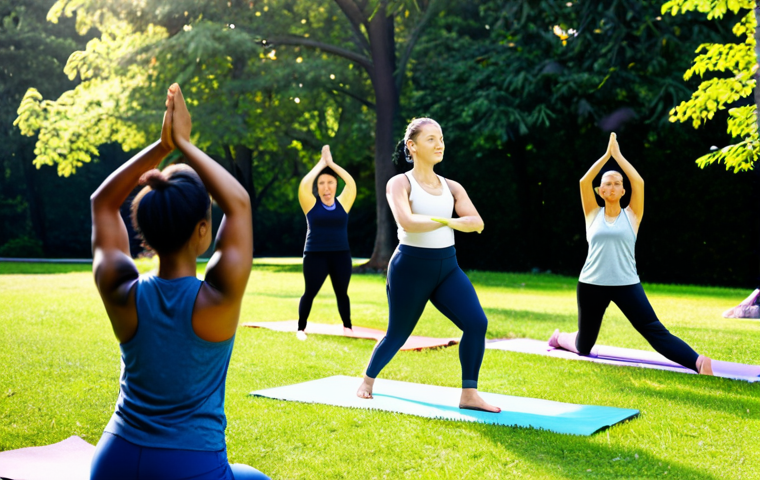
Many people are intimidated by yoga philosophy, but it can be incredibly enriching and insightful. Find ways to discuss yoga philosophy in an accessible and relatable way. Share stories from your own life that illustrate the principles of yoga philosophy. Connect the philosophy to everyday challenges and offer practical advice on how to apply it to your life. For example, you could talk about the concept of “Santosha” (contentment) and how to cultivate a sense of gratitude and appreciation for what you have. I often share quotes from the Yoga Sutras and explain them in simple, easy-to-understand terms.
Monetizing Your Online Presence Strategically
1. Offer Online Yoga Classes or Workshops
One of the most direct ways to monetize your online presence is to offer online yoga classes or workshops. Use platforms like Zoom or Teachable to host live classes or create pre-recorded courses that people can access anytime. Price your classes competitively and offer different packages to cater to different needs and budgets. I offer both live online classes and pre-recorded courses on my website. I also offer a monthly membership that gives people access to all of my content. Make sure to promote your classes and workshops on your social media channels and email list.
2. Create and Sell Yoga-Related Products
Consider creating and selling yoga-related products, such as yoga mats, apparel, or accessories. You can either create your own products or partner with a company to sell their products on your website. I’ve seen some yoga teachers create their own line of eco-friendly yoga mats or design their own yoga-inspired clothing. If you don’t want to create your own products, you can also become an affiliate for other yoga brands and earn a commission on every sale you generate. Make sure to choose products that are high-quality and aligned with your values.
3. Build an Email List and Nurture Your Subscribers
Building an email list is essential for long-term success. Offer a free resource or download in exchange for people’s email addresses. Then, nurture your subscribers with valuable content, exclusive offers, and updates about your classes and workshops. I send out a weekly newsletter to my subscribers with tips on yoga, wellness, and mindfulness. I also use my email list to promote my online classes and workshops. Remember, your email list is one of your most valuable assets, so treat your subscribers well and provide them with content they will love.
Analyzing and Adapting Your Strategy
1. Track Your Metrics and Analytics
It’s important to track your metrics and analytics to see what’s working and what’s not. Use tools like Google Analytics and Instagram Insights to track your website traffic, social media engagement, and email open rates. Pay attention to which content is performing well and which content is not. Use this information to adapt your strategy and create more of what your audience loves. I track my website traffic and social media engagement on a weekly basis. This helps me see which content is resonating with my audience and what I need to improve.
2. Ask for Feedback from Your Followers
Don’t be afraid to ask for feedback from your followers. Use polls, surveys, or even direct messages to ask them what they would like to see more of. What topics are they interested in? What challenges are they facing in their yoga practice? What types of content do they find most helpful? I often ask my followers for feedback on my Instagram stories. This helps me create content that is relevant and engaging. Remember, your followers are your best source of information, so listen to what they have to say.
3. Stay Up-to-Date with the Latest Trends
The world of social media is constantly changing, so it’s important to stay up-to-date with the latest trends. Follow other yoga teachers and wellness professionals to see what they’re doing. Read articles and blog posts about social media marketing and online branding. Attend webinars and workshops to learn new skills and strategies. I spend at least an hour each week learning about the latest trends in social media marketing. This helps me stay ahead of the curve and create content that is fresh and relevant.
| Strategy | Description | Benefits |
|---|---|---|
| Authentic Storytelling | Share personal experiences and struggles to connect with your audience. | Builds trust and creates a deeper connection. |
| Interactive Content | Run live Q&A sessions and create interactive polls. | Increases engagement and fosters a sense of community. |
| Optimized Profiles | Use relevant hashtags and collaborate with other professionals. | Expands reach and attracts new followers. |
| Value-Added Content | Share practical wellness tips and create free resources. | Provides valuable information and builds authority. |
| Strategic Monetization | Offer online classes and sell yoga-related products. | Generates revenue and sustains your online presence. |
| Continuous Analysis | Track metrics and ask for feedback from your followers. | Adapts your strategy and ensures long-term success. |
In Closing
Building a successful yoga presence online is a marathon, not a sprint. It’s about creating genuine connections, offering real value, and consistently showing up for your community. By embracing these strategies and staying true to yourself, you can create a thriving online space that not only supports your business but also inspires and empowers others on their yoga journey. I can’t wait to see you shine!
Helpful Tips to Keep in Mind
1. Invest in good lighting for your videos and photos. Natural light is best, but if you’re filming indoors, make sure you have adequate lighting to create a professional look.
2. Use a scheduling tool like Buffer or Later to plan your social media posts in advance. This will save you time and help you stay consistent with your content.
3. Engage with your followers by responding to their comments and messages. Show them that you care about their feedback and that you’re there to support them.
4. Create a consistent brand aesthetic across all of your online platforms. Use the same colors, fonts, and imagery to create a cohesive and recognizable brand.
5. Don’t be afraid to experiment with different types of content to see what resonates with your audience. Try creating short videos, long-form blog posts, or even live streams.
Key Takeaways
Authenticity is your superpower: Share your unique story and teaching style.
Engagement drives growth: Interact with your audience and create a community.
Value builds loyalty: Provide helpful content and resources beyond the mat.
Consistency is key: Show up regularly and stay connected with your followers.
Adaptability ensures success: Track your metrics and adjust your strategy as needed.
Frequently Asked Questions (FAQ) 📖
Q: I’m struggling to get engagement on my yoga Instagram. I post regularly, but my follower count isn’t growing. What am I doing wrong?
A: Okay, I totally get the frustration! Honestly, just posting asanas isn’t cutting it anymore. People are bombarded with perfect poses.
Think about why they started following you in the first place. What makes you different? Share your personal journey – the ups and downs, the funny moments when you face-planted trying a new inversion.
I’ve found that being vulnerable and relatable works wonders. Also, engage before you expect engagement. Spend 15 minutes a day genuinely commenting on other yogis’ posts, asking questions, and offering encouragement.
Create a mini-series around a common issue like tight hamstrings or wrist pain. Offer practical solutions in bite-sized videos. You’ll be surprised how much that helps.
Q: How can I build a stronger community around my online yoga offerings? I feel like it’s just me talking at people, not with them.
A: Ah, the key is to foster genuine connection, not just broadcast information. I personally hold weekly live Q&A sessions on Instagram or Facebook. It’s informal, I brew a cup of tea, and just answer questions in real-time.
You could also create a private Facebook group for your students – a safe space where they can share their struggles, successes, and ask questions of each other.
Run polls, ask them what they want to learn, and actually listen to their responses. Respond to comments and DMs like you’re chatting with a friend. And don’t be afraid to show your personality!
People connect with authenticity.
Q: I want to create online yoga content, but I’m worried about getting overwhelmed. Where do I even start?
A: Start small and build momentum! Don’t feel pressured to create a massive course right away. I started by creating a free downloadable PDF guide on “5 Stretches for Desk Workers.” It was simple, helpful, and a great way to build my email list.
Then, I created a series of short, focused videos on YouTube. You don’t need fancy equipment – your phone camera and natural light are often enough to start.
Think about the biggest questions your students ask you in class and create content around those. Repurpose existing content too! A blog post can become a series of social media posts, or a live class can be edited into shorter videos.
Just be consistent and focus on providing value.
📚 References
Wikipedia Encyclopedia
구글 검색 결과
구글 검색 결과
구글 검색 결과
구글 검색 결과
구글 검색 결과