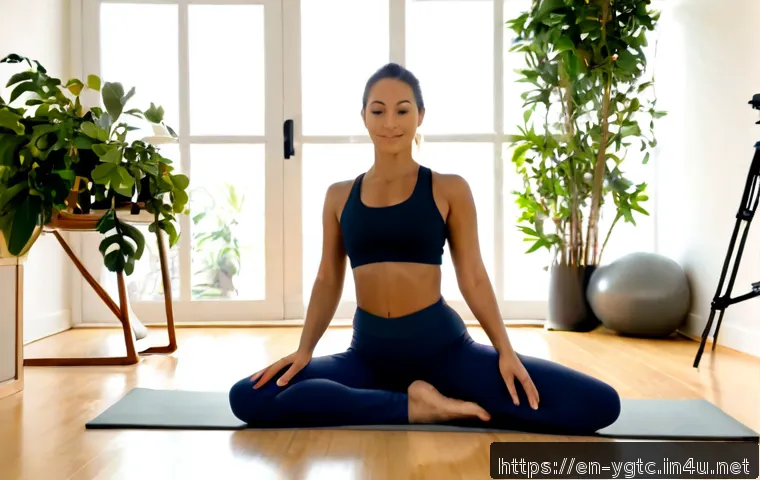
The fastest way to promote yourself as a yoga teacher is to clarify who you help, show what your classes are like, and make booking simple. A strong profile does not need big promises; it needs accurate details, a recognizable teaching approach, and a clear next step for prospective students.

Start with a focused bio, consistent class descriptions, and photos that genuinely reflect your setting and audience. Then decide whether a simple website builder, scheduling software, professional photography, or marketing support fits your current needs.
Paid tools can save time or improve presentation, but they are most useful when they solve a specific booking or communication problem. The goal is not to appeal to everyone, but to help the right students understand why your class is a good fit.
At a Glance
- Clarify your audience: Explain who your classes are designed for and the experience you aim to create.
- Show practical value: Use an accurate bio, clear class details, relevant credentials, and authentic visual content.
- Reduce booking friction: Keep your website, studio profile, social accounts, and booking page consistent.
| Promotion Option | Best Use Case | Time Commitment | Questions to Ask Before Spending |
|---|---|---|---|
| DIY bio, booking page, and smartphone photos | New teachers, studio instructors, or teachers testing a clear offer | Higher personal time commitment | Can I explain my classes clearly and let people book without confusion? |
| Professional yoga photography | Private teachers, corporate wellness providers, retreat leaders, and established online offers | Planning time plus a photo session | Will the images accurately show my teaching space, approach, and intended students? |
| Website builder or web design support | Teachers who need one reliable place for services, policies, class details, and inquiries | Moderate setup time or outsourced work | Does the site make class information and booking easier for clients? |
| Scheduling software or marketing consultant | Teachers managing recurring bookings, payments, reminders, or several service types | Setup and ongoing review | Will it improve the client experience or reduce administrative work? |
Start With a Clear Teaching Promise
Your personal brand begins with a simple answer to one question: what can a student expect when they learn with you? This is not a dramatic claim about transformation. It is a practical promise about your teaching style, class environment, pace, and intended audience.
Define the students you serve and the experience you create
A useful specialty is specific enough to guide a student, but not so narrow that no one understands it. “Yoga for everyone” is welcoming but vague. “Slow-paced yoga classes with clear options for students who want to build confidence with foundational movement” gives a prospective student more to work with.
You may teach several formats, but your profile should still have a central thread. For example, you might be known for calm beginner-friendly instruction, detail-oriented alignment cues, accessible modifications, small-group sessions, or energetic flow classes. Choose wording that reflects what you consistently deliver.
Avoid building your message around assumptions about a student’s health needs. If someone has a medical condition or injury concern, they should seek appropriate guidance about whether yoga is suitable for them. Your role is to describe your class accurately, including pace, movement demands, and available options.
Turn training and teaching style into client-relevant benefits
Credentials matter most when they help clients understand your preparation and approach. List training hours, continuing education, relevant safety qualifications, and certifications accurately. Then connect that information to the class experience without overstating what it can do.
For example, instead of writing “My training will fix your posture,” write: “My classes use clear verbal cues and options so students can explore movement at a comfortable pace.” The second version explains a real teaching benefit without making a medical or therapeutic claim.
Write a one-sentence positioning statement without overpromising
A positioning statement can guide your website, yoga instructor bio, class listings, and social profiles. Use this structure: I teach [style or format] for [audience], with an emphasis on [teaching experience or practical focus].
For example: “I teach small-group yoga classes for beginners who want patient instruction, steady pacing, and practical options for everyday movement.” Keep it honest. A clear statement is more credible than a broad promise that tries to cover every goal.
Build a Professional Profile That Makes Booking Easy
A polished profile should answer the questions a potential client asks before they contact you: Who are you? What do you teach? Is this appropriate for me? Where does it happen? How do I book?
What to include in a yoga instructor bio
Your yoga teacher bio can be short, but it should not be generic. Include your teaching focus, relevant background, the types of students you serve, and a direct booking path. If you teach in several settings, mention them clearly rather than making people search through separate pages.
A practical bio format is: your name and teaching identity, your class focus, accurately presented qualifications, and a booking or inquiry instruction. A studio profile can be brief. A private yoga website may need more detail about services, formats, and availability.
Credentials, class formats, availability, and practical booking details
Clear class descriptions help students make better decisions before they book. State the level, pace, approximate format, equipment needs, accessibility information, location or platform, and booking process. If a class is designed for beginners, explain what that means in practical terms rather than using the label alone.
For private sessions, explain whether you teach one-to-one, pairs, or small groups. For online classes, make the platform and access process easy to find. For studio work, make sure your studio profile matches the information on your website and social profiles. Consistency reduces uncertainty.
Choosing authentic photos and video clips that match your services
Professional photos can be helpful, but they should look like your actual teaching work. A private instructor may benefit from images in the space where sessions happen. A corporate wellness provider may need visuals that show a calm, professional group setting. An online teacher may need a clear image of their filming environment and teaching style.
Smartphone images can be enough when they are clear, current, and honest. If you hire a photographer, plan images around your real services rather than posing for a brand that does not match your classes. Show the clothing, props, setting, and audience expectations people are likely to encounter.
Compare DIY Promotion With Paid Branding Support
There is no universal point at which a yoga teacher must pay for a website designer, photographer, copywriter, or marketing consultant. The better question is whether a paid service solves a real obstacle in your current client journey.
When a simple booking page and smartphone photos are enough
DIY promotion is often enough if you have a clear service, a reliable way to receive bookings, and accurate information across your public profiles. A simple yoga class booking page can work well when clients can quickly see what you teach, when it is available, and how to reserve a spot.
This approach is especially practical for teachers applying to studios, offering substitute classes, or starting with a small number of private clients. Spend time improving your message before spending money on design. Clear copy and usable booking information usually matter more than decorative features.
When professional photography, web design, or copywriting may add value
Paid support may be worth considering when your current materials no longer reflect the quality or range of your work. For example, a corporate wellness proposal may benefit from a more professional presentation than a basic social profile. A teacher with multiple services may need web design that organizes private sessions, workshops, online classes, and contact requests clearly.
Professional copywriting can also be useful if you understand your offer but struggle to describe it without sounding vague. The goal is not flashy language. It is clear, client-focused communication that still sounds like you.
Questions to ask before paying for marketing services or software
Before choosing a website builder, scheduling platform, photographer, or consultant, define the problem first. Do you need better images? Fewer booking messages? Payment options? Automated reminders? A place to explain your services? Ask what is included, what you will need to maintain, and whether the service fits your actual workflow.
Do not assume a redesign, paid advertising campaign, or coaching package will create positive returns for every yoga business. Compare the service against your available time, budget, client experience, and current stage of teaching.
Promote Your Teaching Without Sounding Generic or Pushy
Good yoga teacher marketing is often educational. Instead of repeatedly saying that your classes are “for everyone” or “life-changing,” give people a small preview of how you teach and what they can expect.

Content ideas that show expertise: class previews, modifications, and teaching philosophy
Share a short class preview that explains the pace and intention of an upcoming session. Describe how you offer options in a pose without presenting them as treatment. Explain your teaching philosophy in plain language: perhaps you prioritize steady pacing, curiosity, clear sequencing, or a welcoming atmosphere for newer students.
You can also answer common booking questions: What should students bring? Is prior yoga experience expected? What should someone expect during a first class? This type of content is useful because it reduces uncertainty before a client books.
Use testimonials responsibly and request permission
Testimonials can add trust when they are used with permission and presented accurately. Choose comments that describe the teaching experience, clarity, atmosphere, or practical booking experience. Do not edit a testimonial into a stronger claim than the person made.
Avoid testimonials that make unsupported medical or therapeutic claims. If a review includes such a claim, consider whether it is appropriate to publish. A credible profile does not need exaggerated outcomes to be persuasive.
Common self-promotion mistakes that reduce trust
Common problems include inconsistent bios, unclear pricing or inquiry steps, old class schedules, generic phrases with no explanation, and images that do not match the actual service. Another mistake is listing extensive credentials without telling clients what those qualifications mean for the class experience.
Review your public information from a new student’s perspective. If someone sees your social profile first, can they find your current service details? If they land on your booking page first, can they understand your approach without opening five other tabs?
Adapt Your Message for Different Yoga Teaching Opportunities
Your core message can remain consistent while the emphasis changes for each opportunity. A studio manager, a private client, and a corporate wellness contact are each looking for different practical details.
Studio applications and substitute-teacher introductions
For studios, lead with class formats, availability, teaching experience, and an accurate summary of your credentials. Mention how you handle pacing, class descriptions, and student options. A studio usually needs a concise, reliable introduction more than a long personal story.
Private sessions and small-group packages
Private clients need to understand what a session includes, who it may suit, where it takes place, and how to inquire or book. Explain the format clearly. If you offer small-group sessions, state how the group is organized and what participants should expect.
Keep boundaries clear. Describe your teaching service, but do not imply that a private yoga session replaces medical care or is appropriate for every individual situation.
Corporate wellness, retreats, and online memberships
Corporate contacts may value reliability, clear communication, and a simple outline of what you can provide. Retreat organizers may look for a teaching style that suits their audience and schedule. Online students need straightforward access instructions, class format details, and a dependable booking or membership workflow.
Use separate pages or sections when needed, but keep your essential bio and teaching promise consistent. Different audiences can receive different details without receiving different versions of who you are.
Selection Criteria and Comparison Summary
Before investing in yoga teacher marketing tools or services, check these points:
- Client fit: Does your message help the intended student recognize the class as a possible fit?
- Booking workflow: Can people move from reading your profile to booking or contacting you without confusion?
- Information consistency: Do your website, studio profile, social accounts, and booking page show the same current details?
- Time and budget: Will a website builder, photographer, scheduling tool, or consultant solve a specific operational need?
- Credibility: Are your credentials, testimonials, and claims accurate, permitted, and easy to understand?
Compare booking tools by fees, reminders, payment options, and client experience before choosing one. For official features, service conditions, and current plan details, check the relevant provider’s page before subscribing.
Final Thoughts
Effective self-promotion for yoga teachers is less about being loud and more about being clear. A focused teaching promise, an accurate professional bio, and a simple booking path can make your work easier to understand. Start with the essentials, then add paid branding support only when it improves a real part of the client experience. Trust grows when your message matches the class people actually receive.
Useful Information to Keep in Mind
1. Update class descriptions when format, pace, location, or equipment needs change.
2. Keep a reusable short bio and a longer bio for different studio, website, and event applications.
3. Request permission before publishing client feedback, photos, or video that includes identifiable participants.
4. Review your booking process yourself from time to time to spot unnecessary steps or outdated information.
Important Considerations
Local studio requirements, insurance obligations, certification rules, and advertising restrictions can vary, so verify what applies in your location and work setting. Yoga teachers should present qualifications and safety-related training accurately. Individual health needs also vary; avoid diagnosing conditions or claiming that yoga is appropriate for a specific medical concern without appropriate guidance.
Frequently Asked Questions
Q1. What should a yoga teacher say in a short professional bio?
A1. Include who you teach, the style or class experience you offer, relevant qualifications presented accurately, and a clear way to book or inquire. A short bio should help a prospective student understand both your teaching focus and the next practical step.
Q2. Is it worth paying for professional yoga photos or a website?
A2. It may be useful when your current materials do not clearly represent your services or make booking difficult. Professional photos are most valuable when they accurately show your environment, teaching approach, and intended audience. A website can help when you need one organized place for services, class information, and booking details.
Q3. How can a new yoga instructor promote classes without making unrealistic health claims?
A3. Focus on the actual class experience: pace, level, teaching style, equipment, atmosphere, and available options. Share accurate credentials, provide useful class previews, and use testimonials with permission. Avoid promises about treating conditions, guaranteeing outcomes, or being suitable for every person.