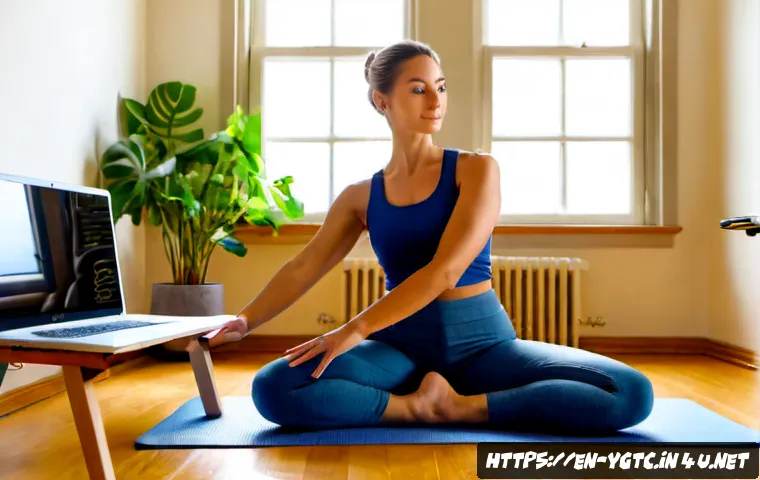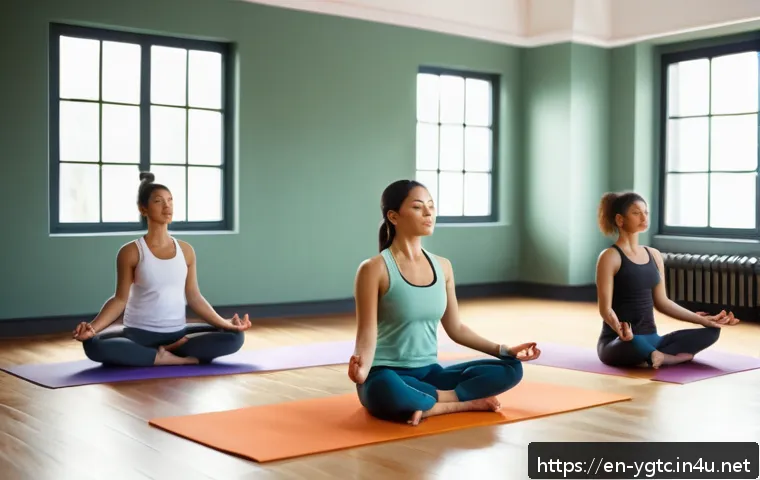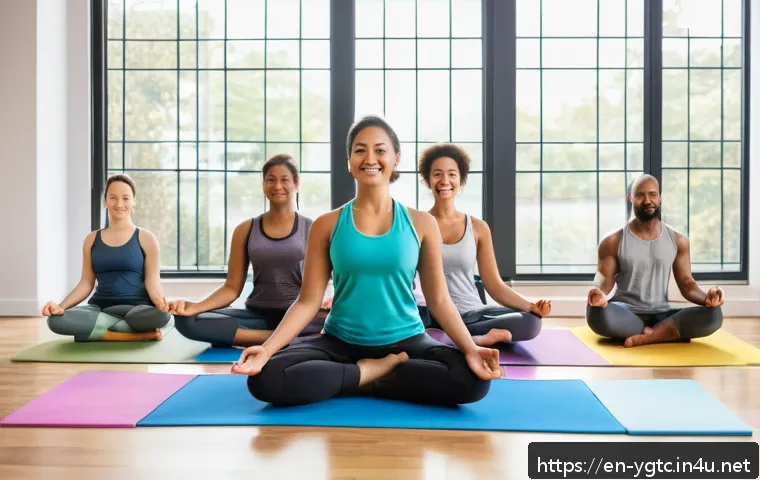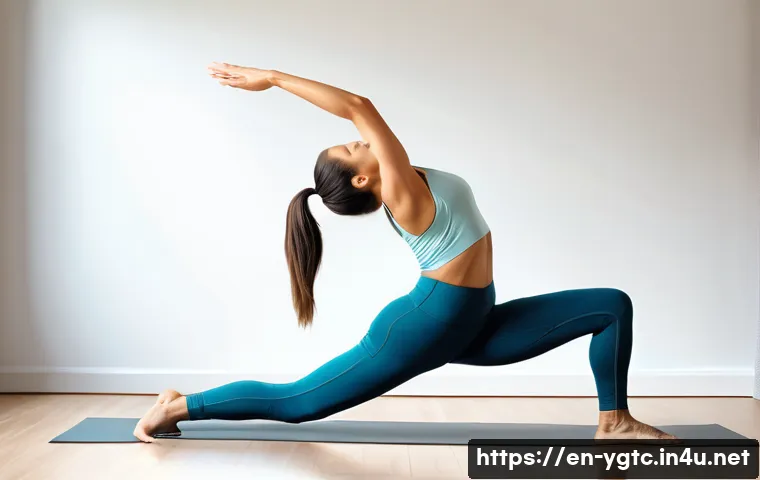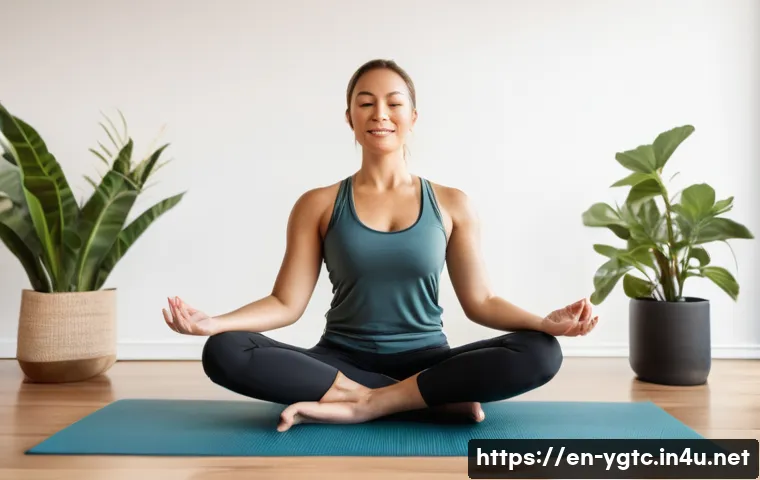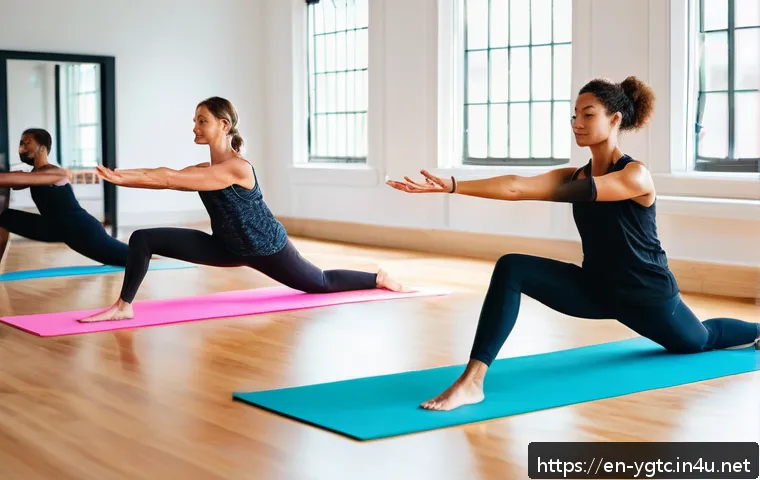
Lately, the fitness world has been buzzing with a fresh approach that blends the mindful flow of yoga with the core-strengthening power of Pilates. If you’re an instructor or aspiring to be one, tapping into both disciplines can open doors you never imagined.
Combining these two practices not only enriches your teaching skills but also attracts a broader range of clients seeking a balanced, holistic workout.
I’ve seen firsthand how integrating yoga and Pilates can elevate a fitness career, making it more versatile and rewarding. Let’s dive into why this fusion is becoming a game-changer and how you can maximize your potential by embracing both worlds seamlessly.
Unlocking the Synergy Between Breath and Movement
The Power of Conscious Breathing
Breath is the bridge that connects mind and body, a truth that both yoga and Pilates embrace wholeheartedly. In yoga, pranayama techniques deepen awareness and calm the nervous system, while Pilates uses controlled breathing patterns to engage the core effectively.
When you weave these two approaches together, you don’t just teach exercises—you guide students into a mindful experience that enhances focus and endurance.
From my experience, clients who grasp this connection tend to progress faster and maintain motivation longer because their practice feels purposeful rather than mechanical.
Integrating breathwork from yoga into Pilates sessions can transform a routine workout into a moving meditation, which keeps people coming back for more.
Fluidity Meets Precision
Yoga flows encourage graceful, continuous movement, fostering flexibility and balance. Pilates, on the other hand, emphasizes precision and control, targeting deep stabilizing muscles.
Combining these principles creates a workout that’s both dynamic and meticulous. I’ve noticed that when instructors blend yoga’s fluid transitions with Pilates’ exact form cues, students develop better body awareness and coordination.
This blend also reduces injury risk by promoting balanced muscle engagement. The magic lies in knowing when to flow and when to focus—like easing into a pose with yoga’s breath-led rhythm, then activating the core with Pilates’ crisp engagement.
This dance between softness and strength makes sessions feel fresh and challenging.
Enhancing Mind-Body Connectivity
Mind-body connection is the core philosophy behind both disciplines, yet each approaches it uniquely. Yoga cultivates mindfulness through meditation and prolonged holds, inviting introspection.
Pilates fosters connection through focused muscle engagement and alignment awareness. When combined, they offer a comprehensive toolkit for enhancing proprioception and mental clarity.
As an instructor, guiding clients through this hybrid approach has helped them break mental barriers and deepen their practice. I often see a shift in energy and presence when students move from a Pilates sequence into a yoga stretch, as if their minds and bodies synchronize more fully.
This holistic approach not only improves physical performance but also nurtures emotional resilience.
Crafting a Diverse Class Format That Resonates
Designing Balanced Sessions
Creating a class that blends the best of yoga and Pilates requires thoughtful sequencing. It’s not about simply mixing poses and exercises randomly but designing a flow that feels intuitive and effective.
I usually start with gentle breath work and warm-up stretches inspired by yoga to prepare the body and calm the mind. Then, I introduce Pilates-based core activation exercises to build strength and stability.
The session often concludes with restorative yoga stretches to release tension and promote relaxation. This structure respects the natural rhythms of the body and mind, making the class accessible to a wide range of fitness levels while maintaining engagement throughout.
Adapting to Client Needs and Preferences
One of the perks of this hybrid approach is its versatility. Some clients crave more strength training, others seek stress relief and flexibility, and many want a bit of both.
By mastering yoga and Pilates, you can tailor sessions to meet these varied needs. For instance, if a client is recovering from back pain, you might emphasize Pilates’ core strengthening combined with gentle yoga stretches to enhance mobility without strain.
Conversely, for someone dealing with anxiety, incorporating more breath-centered yoga elements can soothe the nervous system alongside Pilates’ mindful movement.
Listening carefully and adjusting your class accordingly not only builds trust but also keeps clients loyal and motivated.
Maximizing Engagement with Varied Teaching Tools
Using props and technology can elevate your combined yoga-Pilates classes. I’ve found that incorporating resistance bands, Pilates balls, and yoga blocks not only adds challenge but also keeps sessions interactive and fun.
Additionally, apps and wearable devices that track breathing or movement can provide valuable feedback to students eager to see progress. This blend of traditional and modern tools helps maintain high energy levels and curiosity, which is essential for long-term commitment.
Plus, it positions you as a forward-thinking instructor who embraces innovation without losing the essence of mindful practice.
Building a Strong Professional Identity in a Competitive Market
Highlighting Your Unique Skill Set
In today’s crowded fitness landscape, standing out is crucial. Combining yoga and Pilates certifications instantly signals versatility and depth. From my own journey, I’ve noticed that clients appreciate an instructor who can offer both strength and flexibility training with equal confidence.
It’s a powerful marketing tool that broadens your appeal beyond niche groups. Promoting your ability to integrate these disciplines in your online profiles, class descriptions, and social media can attract curious clients who want a comprehensive workout experience.
This dual expertise often leads to higher class attendance and better retention rates.
Leveraging Continuing Education and Workshops
To maintain credibility and sharpen your expertise, ongoing education is key. Participating in workshops that focus on the intersection of yoga and Pilates can deepen your understanding and introduce you to new techniques or teaching philosophies.
I’ve personally found that attending specialized training not only enhances my skill set but also connects me with a network of like-minded professionals.
These connections often lead to collaboration opportunities and referrals, further expanding your client base. Emphasizing your commitment to growth reassures clients they’re in capable hands.
Establishing Authority Through Content Creation
Sharing your knowledge via blogs, videos, or podcasts can position you as a thought leader in this hybrid fitness niche. When I started writing about how yoga and Pilates complement each other, I noticed a spike in inquiries and class bookings.
Content that addresses common challenges, shares success stories, or offers practical tips resonates well with potential clients searching for reliable guidance online.
Plus, quality content boosts SEO, driving organic traffic to your website or social media pages. The key is to be authentic and relatable—talk about your own experiences, struggles, and triumphs to create a genuine connection.
Understanding Client Benefits for Better Communication
Physical Advantages Explained
Clients often ask what makes this fusion better than sticking to one practice. Here’s where your ability to explain tangible benefits shines. The combination improves posture, enhances core strength, boosts flexibility, and promotes joint stability.
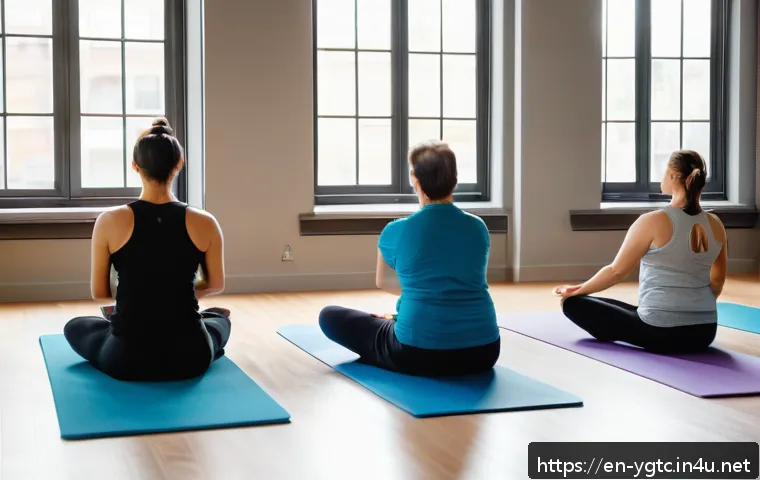
Because yoga and Pilates target muscles differently, clients experience a more balanced body that feels resilient and agile. In my experience, this holistic approach reduces chronic pain and prevents injuries, which is a huge selling point.
When you communicate these benefits clearly, clients feel more confident investing in your classes.
Mental and Emotional Rewards
Beyond the physical, this blended practice nurtures mental clarity, reduces stress, and fosters emotional balance. Yoga’s meditative qualities combined with Pilates’ focus on controlled movement help clients develop better concentration and a calm mindset.
I’ve witnessed how regular practitioners become more self-aware and emotionally resilient, which often spills over into other areas of life. Highlighting these less obvious but deeply impactful benefits can motivate clients who prioritize overall well-being alongside fitness.
Comparing Yoga, Pilates, and Their Fusion
| Aspect | Yoga | Pilates | Fusion Benefits |
|---|---|---|---|
| Focus | Flexibility, breath, mindfulness | Core strength, precision, stability | Balanced strength and flexibility with mindful control |
| Breathing | Pranayama techniques for calming and energy flow | Controlled breathing to activate core muscles | Enhanced breath awareness improves both relaxation and strength |
| Movement Style | Flowing sequences and holds | Precise, small controlled movements | Dynamic yet controlled workouts that reduce injury risk |
| Mental Impact | Meditative, stress-reducing | Focus and body awareness | Heightened mindfulness and mental clarity |
| Target Audience | Those seeking spiritual and physical balance | Those wanting functional strength and rehab | Appeals to a broad range of clients with diverse goals |
Overcoming Challenges in Dual-Discipline Teaching
Balancing Depth with Breadth
One challenge I faced early on was maintaining depth in each discipline while offering a broad range of techniques. It’s tempting to spread too thin, which can leave classes feeling superficial.
The trick is to master foundational principles deeply and then creatively blend them rather than dilute either practice. Setting clear intentions for each class and periodically revisiting your core training ensures you deliver value consistently.
Clients appreciate when instructors know their stuff and can confidently guide them through complex movements.
Managing Client Expectations
Clients often come in with preconceived notions—some expect a pure yoga session, others want Pilates results. Educating them on what to expect and how the fusion benefits their specific needs is essential.
Early on, I made it a habit to have open conversations, sometimes even surveys, to understand client goals better. This dialogue helps tailor sessions and avoid disappointment.
Transparency about the hybrid nature of classes fosters trust and enthusiasm.
Time and Energy Management for Instructors
Teaching two disciplines requires ongoing study, lesson planning, and personal practice, which can be demanding. I learned to schedule dedicated time blocks for each to avoid burnout and keep my passion alive.
Also, collaborating with other instructors or attending joint workshops can refresh your perspective and share the workload. Prioritizing self-care and recognizing your limits ensures you stay effective and inspired over the long haul.
Using Technology and Social Media to Amplify Reach
Creating Engaging Online Content
In today’s digital age, building an online presence is non-negotiable. I started by posting short videos demonstrating combined Pilates-yoga moves, which quickly caught attention.
Using platforms like Instagram and YouTube allows you to showcase your unique style and educate followers on the benefits of this fusion. Adding personal stories or client testimonials makes the content relatable and trustworthy.
Consistency and authenticity are key—don’t be afraid to show your personality and occasional imperfections to build real connections.
Leveraging Virtual Classes and Workshops
Offering virtual sessions expands your client base beyond geographical limits. I experimented with live-streamed classes and on-demand videos, which provided flexibility for busy clients and diversified my income.
Virtual workshops focusing on specific themes, like core strength through breathwork, attract enthusiasts eager to deepen their practice. These formats also enable interactive Q&A, enhancing engagement and client loyalty.
Tracking Progress with Apps and Wearables
Incorporating fitness apps and wearables can add a data-driven dimension to your teaching. Encouraging clients to track their heart rate, breathing patterns, or movement quality provides measurable feedback that motivates continued practice.
I’ve used this approach to customize programs based on real-time insights, which clients appreciate. This tech-savvy element sets you apart as a modern instructor who embraces innovation without compromising the mindful essence of yoga and Pilates.
In Conclusion
Bringing together the mindful breath of yoga with the precise movement of Pilates creates a powerful and balanced practice. This fusion not only enhances physical strength and flexibility but also deepens mental clarity and emotional resilience. From my experience, clients who embrace this approach find their workouts more meaningful and sustainable. It’s a rewarding way to transform fitness into a holistic lifestyle.
Helpful Information to Remember
1. Combining breath control techniques from yoga with Pilates’ core engagement leads to improved focus and endurance during workouts.
2. Designing classes with a thoughtful flow that balances fluidity and precision helps prevent injuries and builds body awareness.
3. Tailoring sessions to individual client goals, whether for strength, flexibility, or stress relief, increases satisfaction and retention.
4. Utilizing props and technology can make sessions more interactive, engaging, and motivating for diverse learners.
5. Consistent professional development and sharing your expertise online establish credibility and attract a wider audience.
Key Takeaways for Success
Mastering the art of blending yoga and Pilates requires a deep understanding of both disciplines without diluting their core principles. Clear communication with clients about what to expect and how the fusion benefits their unique needs builds trust and enthusiasm. Managing your time and energy as an instructor is vital to maintain passion and effectiveness. Leveraging digital tools and virtual platforms can expand your reach and enhance client engagement, positioning you as an innovative and mindful fitness professional.
Frequently Asked Questions (FAQ) 📖
Q: How can combining yoga and Pilates benefit my fitness teaching career?
A: Blending yoga and Pilates in your teaching repertoire broadens your skill set, allowing you to offer clients a more comprehensive workout that enhances flexibility, balance, and core strength.
This fusion appeals to a wider audience—from those seeking mindfulness and stress relief to clients focused on physical conditioning—making your classes more versatile and marketable.
From my experience, clients appreciate the varied approach, which often leads to higher retention and positive word-of-mouth referrals.
Q: What are the key differences I should understand when integrating yoga and Pilates?
A: While both practices emphasize body awareness and control, yoga focuses more on breath, flexibility, and mindfulness, often incorporating meditation elements.
Pilates, on the other hand, targets core stabilization, precise movements, and muscular endurance. Successfully combining them means respecting these distinctions—using yoga’s flow and breathwork to complement Pilates’ strength and alignment principles.
Personally, I found that balancing these aspects keeps sessions engaging and well-rounded, avoiding monotony for clients.
Q: How do I attract clients interested in a yoga-Pilates hybrid workout?
A: To draw clients, highlight the unique benefits of the combined approach, such as improved posture, stress reduction, and enhanced core strength. Use social media to share short videos or testimonials that showcase the fusion’s effectiveness.
Offering introductory workshops or trial classes can also lower barriers for newcomers. In my own journey, sharing personal stories about how this blend transformed my fitness routine sparked curiosity and built trust, which helped grow my client base steadily.