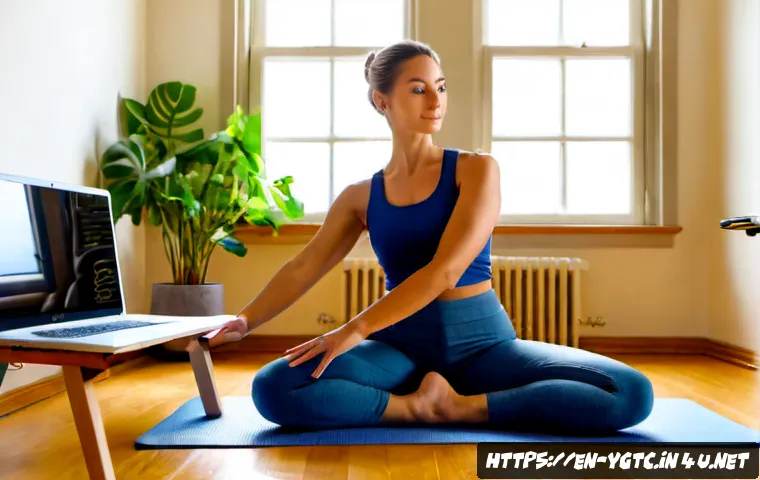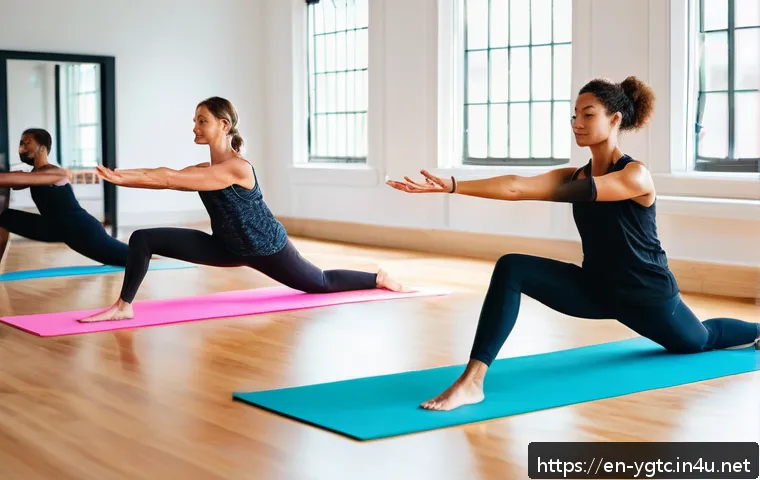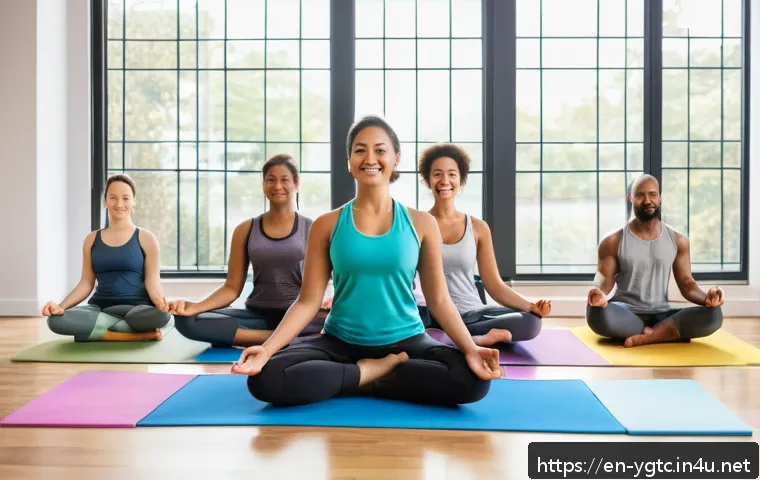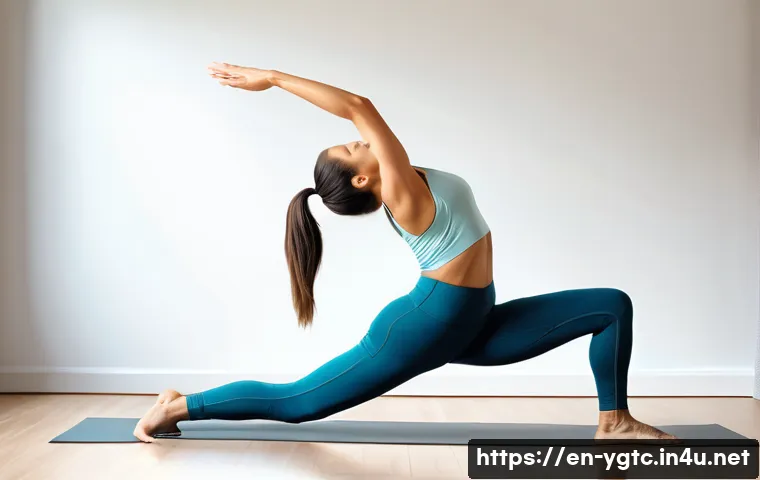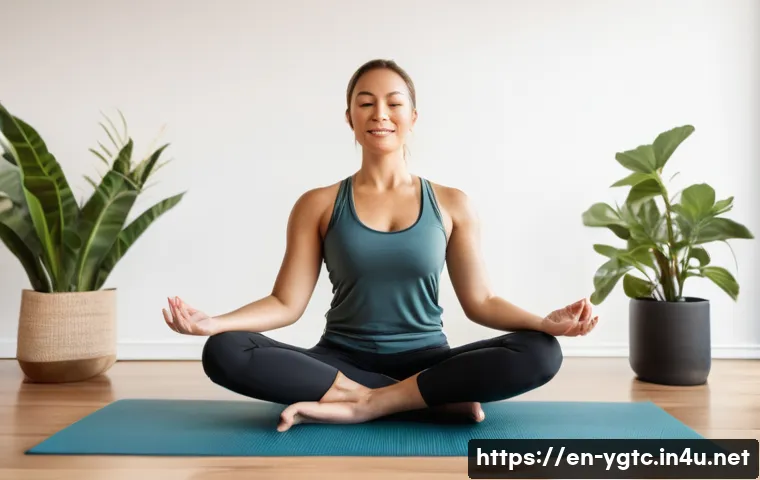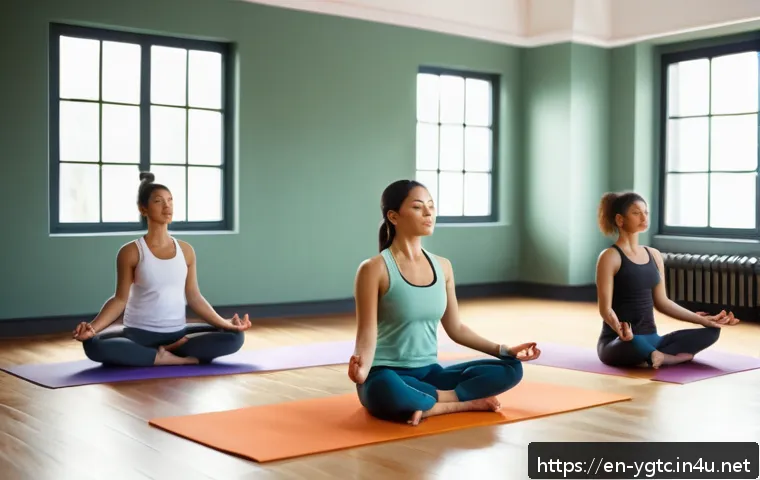
In today’s fast-evolving wellness landscape, staying ahead as a yoga instructor means more than just mastering the basics. With growing demand for personalized and innovative teaching styles, advanced techniques are becoming essential tools to deepen your impact and expand your career opportunities.
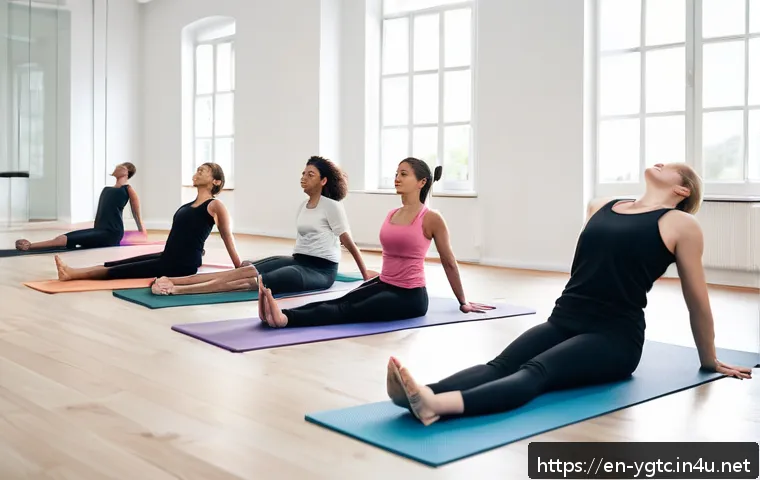
Whether you’re looking to refine your skills or inspire your students on a whole new level, embracing these expert methods can transform your classes and boost your professional growth.
Let’s explore how mastering advanced yoga teaching techniques can elevate your journey as an instructor and set you apart in this competitive field.
Enhancing Connection Through Advanced Communication Techniques
Active Listening to Understand Student Needs
Mastering active listening goes beyond simply hearing words—it’s about tuning into your students’ emotions, body language, and subtle cues during class.
I’ve found that when I truly focus on what each student expresses, whether verbally or non-verbally, I can tailor my guidance to resonate more deeply.
This creates a safe space where students feel seen and understood, which naturally boosts their engagement and trust. For example, catching a slight hesitation in a student’s voice or noticing a tense posture allows me to offer modifications or encouragement that directly address their experience, making the practice feel more personal and supportive.
Utilizing Positive Language and Encouragement
Words hold incredible power in shaping a student’s mindset, especially in yoga where mental focus is key. I’ve noticed that shifting from directive commands to positive affirmations can transform the energy of a class.
Instead of saying “Don’t arch your back,” I say “Engage your core to protect your spine,” which not only guides the action but also empowers students to take ownership of their practice.
This approach nurtures confidence and helps students develop a more compassionate relationship with their bodies, encouraging them to explore poses with curiosity rather than fear.
Creating Inclusive and Adaptive Dialogue
Every class is a mosaic of unique bodies, abilities, and goals. I make it a point to invite feedback and questions regularly, which opens up a two-way communication channel.
This adaptability means I can adjust instructions on the fly or offer alternatives that meet diverse needs without losing flow. It’s rewarding to see how this openness encourages quieter students to share their challenges and triumphs, enriching the collective learning environment.
When communication feels inclusive, students are more likely to commit long-term and recommend your classes to others.
Deepening Practice with Anatomy and Alignment Mastery
Understanding Biomechanics for Safer Adjustments
In my journey as an instructor, gaining a solid grasp of biomechanics has been a game changer. Knowing how joints move and muscles engage helps me provide safer hands-on adjustments and verbal cues that prevent injury.
For instance, recognizing the difference between a healthy spinal extension and hyperextension allows me to guide students toward optimal alignment without pushing beyond their limits.
This expertise not only protects students but also builds your credibility as a knowledgeable and responsible teacher.
Customizing Alignment Based on Individual Variations
No two bodies are alike, which is why a cookie-cutter approach to alignment doesn’t work. I’ve learned to observe structural differences such as limb length or joint mobility and adapt poses accordingly.
This might mean using props differently or suggesting slight modifications to accommodate past injuries or mobility restrictions. By honoring these variations, you help students feel more comfortable and capable, fostering progress that feels both accessible and empowering.
Integrating Breath with Movement for Optimal Flow
The relationship between breath and movement is foundational in yoga, yet I’ve found that consciously teaching this connection at an advanced level elevates the entire practice.
Encouraging students to synchronize inhalations and exhalations with transitions not only enhances physical alignment but also deepens mental focus. For example, guiding a smooth, steady breath during a challenging balance pose can calm the nervous system and improve stability.
This integration creates a more mindful, meditative experience that students often seek but don’t always find in beginner classes.
Designing Innovative Class Sequences to Inspire Students
Blending Traditional and Contemporary Styles
One of the most exciting parts of teaching advanced yoga is weaving together classical techniques with modern influences. I enjoy experimenting with sequences that combine elements from Vinyasa, Yin, and even Pilates to create fresh, dynamic classes.
This fusion not only keeps seasoned students intrigued but also caters to varied fitness levels and goals. For example, integrating core-strengthening moves within a flowing sequence challenges the body in new ways while maintaining the meditative essence of yoga.
Incorporating Thematic and Intentional Practices
Crafting classes around specific themes or intentions adds a profound layer of meaning to the practice. Whether focusing on heart-opening to cultivate compassion or grounding techniques to reduce anxiety, I’ve observed that students connect more deeply when there’s a clear purpose.
I often start sessions with a brief meditation or intention-setting ritual that primes the mind. This thematic approach transforms the class from a simple workout into a holistic experience that nurtures both body and soul.
Balancing Challenge and Accessibility
Advanced doesn’t have to mean intimidating. I strive to balance challenging postures with accessible options, ensuring every student can participate fully.
For instance, offering variations for arm balances or inversions allows practitioners to build confidence gradually. I’ve seen firsthand how this inclusivity motivates students to push their boundaries safely and celebrate progress, making the practice sustainable and rewarding over time.
Leveraging Technology to Expand Your Teaching Reach
Utilizing Online Platforms for Hybrid Classes
Bringing my classes online was initially intimidating, but embracing digital platforms has opened incredible doors. Hybrid teaching—combining in-person and virtual sessions—lets me reach students who might never attend a studio.
I use tools like Zoom and class management apps to create interactive, engaging experiences that feel personal despite the distance. This approach not only broadens my audience but also offers flexibility in scheduling, which many students appreciate.
Incorporating Video Analysis for Personalized Feedback
One technique I’ve found invaluable is using video recordings of students’ practice to provide detailed feedback. Watching movements frame-by-frame helps me spot alignment issues or habits that might be missed during live classes.
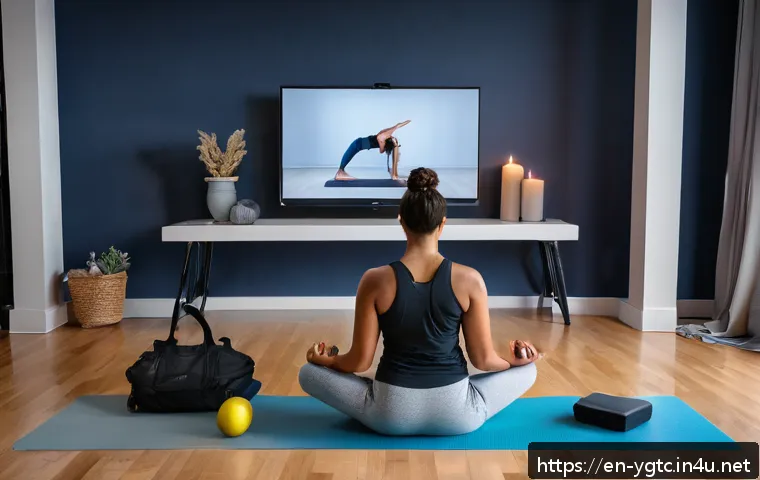
Sharing these clips with constructive commentary empowers students to self-correct and deepen their understanding between sessions. This personalized attention enhances results and fosters a stronger teacher-student relationship.
Building a Digital Community for Continuous Support
Creating an online community through social media groups or forums has enriched my teaching practice. It offers a space where students can share progress, ask questions, and support each other outside class hours.
I actively participate by posting tips, answering queries, and celebrating milestones, which helps maintain motivation and connection. This continuous engagement keeps students invested and turns your teaching into a lifestyle brand rather than just a service.
Developing Mindfulness and Meditation Integration
Guiding Mindful Transitions Between Poses
I’ve noticed that the moments between poses are often overlooked but hold great potential for mindfulness. Teaching students to move slowly and with awareness during transitions creates a smoother flow and reduces injury risk.
It also invites a deeper internal focus, transforming the physical practice into a moving meditation. Encouraging this habit helps students cultivate presence, which they can carry beyond the mat into daily life.
Incorporating Breath Awareness Techniques
Breath is the anchor of mindfulness in yoga. I regularly introduce pranayama exercises that complement physical postures, such as alternate nostril breathing or ujjayi breath.
These techniques calm the mind, improve lung capacity, and enhance concentration. Personally, I’ve found that guiding students through breathwork before and after asana practice helps them settle in and integrate the benefits more fully.
Facilitating Meditation Sessions for Holistic Wellness
Adding short meditation sessions at the end of class has transformed the student experience. Even a five-minute guided meditation can help release tension, reduce stress, and deepen relaxation.
I often use visualization or body scan techniques that are accessible to beginners yet meaningful for experienced practitioners. This integration fosters a sense of completeness and encourages students to view yoga as a comprehensive wellness practice.
Building a Sustainable Career Through Professional Development
Continuing Education and Certification
Staying current with the latest research and trends is crucial for maintaining credibility and expanding your skill set. I make it a priority to attend workshops, advanced trainings, and certifications regularly.
These opportunities not only refresh my knowledge but also inspire new teaching ideas and networking connections. Investing in continuous learning signals to students that you’re committed to excellence and growth.
Marketing Yourself Authentically
I’ve learned that authenticity is the key to attracting and retaining students. Sharing your personal yoga journey, teaching philosophy, and unique strengths through your website and social media builds trust and differentiates you from others.
Instead of generic promotions, storytelling that reflects your passion and expertise resonates more deeply. This genuine approach often leads to loyal followers who become ambassadors for your brand.
Balancing Teaching Load and Self-Care
One challenge many instructors face is burnout. Through trial and error, I’ve realized the importance of setting boundaries and scheduling regular self-care.
This might include personal practice, rest days, or cross-training activities. A sustainable career isn’t about working nonstop but maintaining energy and enthusiasm that keeps your teaching vibrant and impactful over the long haul.
| Technique | Benefit | Implementation Tip |
|---|---|---|
| Active Listening | Builds trust and personal connection | Observe verbal and non-verbal cues closely |
| Biomechanics Knowledge | Enhances safety and effectiveness | Study joint movement and muscle function regularly |
| Technology Integration | Expands reach and engagement | Use video feedback and hybrid classes |
| Mindfulness Practices | Deepens mental focus and relaxation | Incorporate breathwork and meditation |
| Authentic Marketing | Attracts loyal students | Share your unique story and values |
Closing Thoughts
Effective communication and a deep understanding of anatomy can truly transform the teaching and learning experience in yoga. By blending mindful practices with innovative class designs and leveraging technology, instructors can create a meaningful connection with students while fostering growth. Embracing authenticity and continuous development ensures a sustainable and rewarding career. Ultimately, these strategies nurture both the body and mind, inspiring lasting engagement and wellness.
Helpful Insights
1. Active listening is essential for building trust and responding to student needs with empathy and precision.
2. A solid grasp of biomechanics enhances safety and allows for personalized adjustments that respect individual differences.
3. Integrating technology like video feedback and hybrid classes broadens your reach and deepens student engagement.
4. Mindfulness techniques, including breath awareness and meditation, enrich the practice by promoting mental clarity and relaxation.
5. Authentic marketing that shares your personal journey and values attracts loyal students and builds a strong community.
Key Takeaways
Mastering advanced communication and anatomy knowledge is foundational to effective yoga instruction. Combining this with thoughtful class sequencing and technology integration not only improves student outcomes but also elevates your professional presence. Prioritizing authenticity and self-care supports long-term success and meaningful connections, turning teaching into a fulfilling and sustainable vocation.
Frequently Asked Questions (FAQ) 📖
Q: What are some advanced yoga teaching techniques that can help me stand out as an instructor?
A: Advanced yoga teaching techniques go beyond basic asana instruction and include elements like breathwork (pranayama), mindfulness meditation, hands-on adjustments, and sequencing tailored to specific needs.
Incorporating anatomy insights and using props creatively can also deepen your students’ experience. From my own teaching, blending these methods not only keeps classes engaging but also shows your expertise, helping you build trust and a loyal student base.
Q: How can mastering advanced techniques improve my students’ progress and satisfaction?
A: When you use advanced techniques, you’re better equipped to address individual limitations and goals, creating a more personalized practice. For example, teaching subtle breath control can calm anxious students, while precise alignment cues help prevent injuries.
I’ve noticed that students feel more supported and motivated when classes challenge them safely and thoughtfully, leading to higher satisfaction and consistent attendance.
Q: Is it necessary to get additional certifications to learn these advanced yoga teaching methods?
A: While additional certifications can be valuable, they’re not always required. Many instructors enhance their skills through workshops, mentorships, or continuing education courses focused on specific areas like anatomy or restorative yoga.
Personally, investing time in specialized training helped me gain confidence and credibility, but you can also learn a lot by observing experienced teachers and practicing regularly.
The key is continuous learning and applying what resonates with your teaching style.