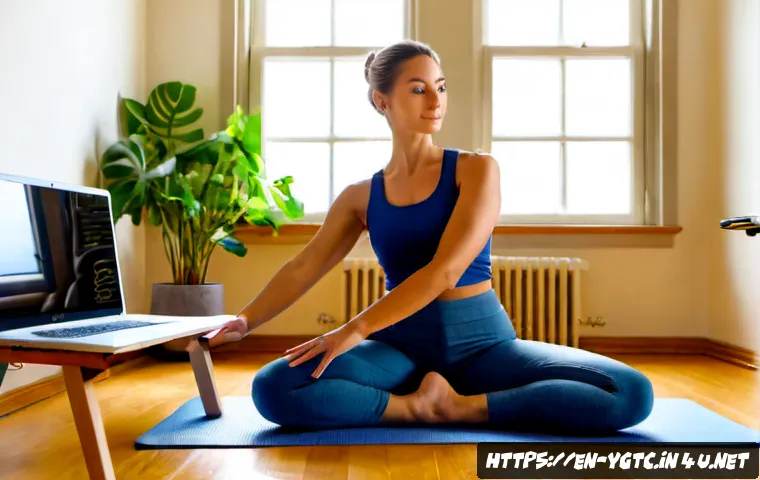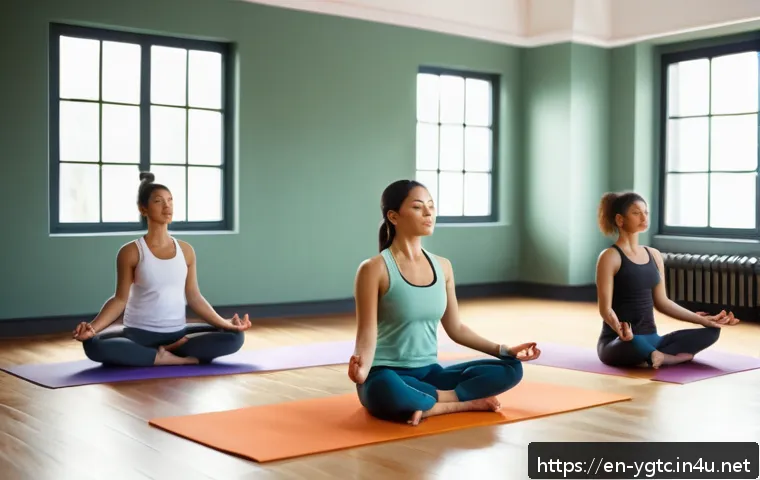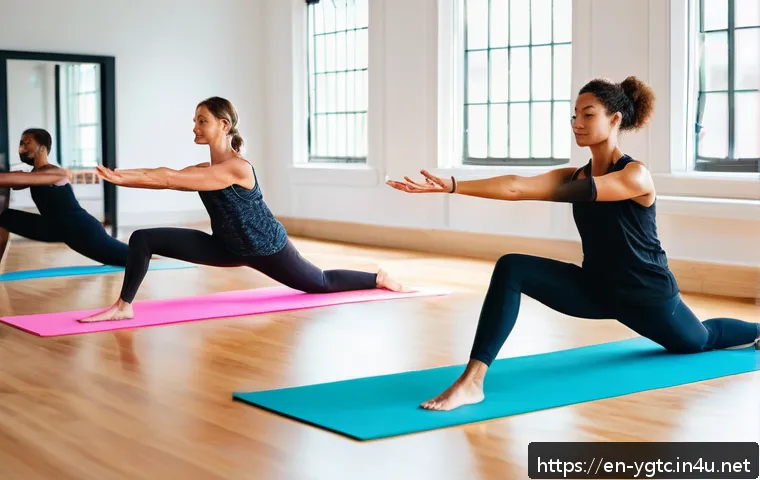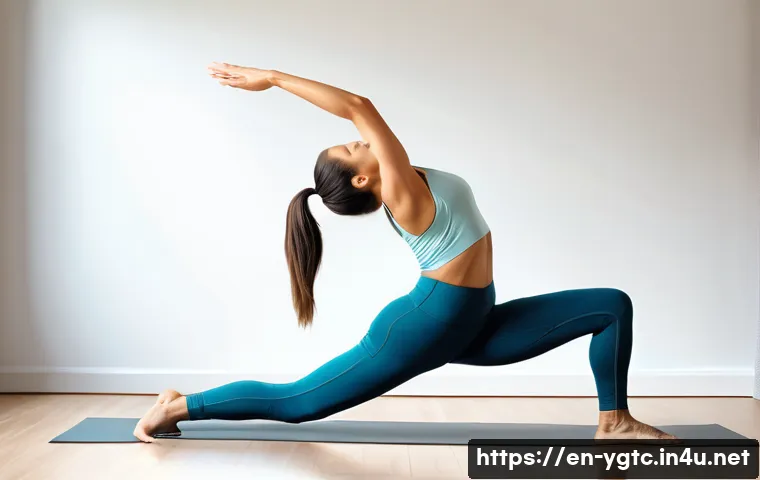
Lately, the surge in wellness trends has made yoga more popular than ever, blending mindfulness with physical health in ways that resonate deeply today.

Stepping into my first class as an instructor, I expected to guide others, but what I discovered went far beyond teaching poses. From unexpected challenges to surprising moments of connection, this experience reshaped my understanding of yoga and myself.
If you’re curious about what really happens behind the scenes and want practical tips from someone who’s just been there, this story might just inspire your own journey.
Let’s dive into the lessons and surprises you won’t find in any beginner’s manual.
Building Confidence Beyond the Mat
Facing the Unexpected Nerves
Starting my first yoga class as an instructor, I anticipated some jitters but didn’t expect how deeply nervous I’d feel. Standing in front of a group, all eyes on me, was a different kind of vulnerability than when I practiced alone.
I remember fumbling my words early on, realizing that teaching yoga isn’t just about demonstrating poses—it’s about communicating calm and trust. The nervous energy was palpable, but I quickly learned that embracing this vulnerability made my teaching more authentic.
Instead of pretending to be flawless, I allowed myself to be real, which surprisingly helped students connect better. This shift in mindset was crucial; it transformed my fear into a shared experience rather than a solo struggle.
Finding My Voice in Instruction
What surprised me the most was discovering my unique teaching style. I initially thought I had to mimic the instructors I admired, but as the class progressed, I found myself blending technical cues with personal stories and light humor.
This blend created a welcoming atmosphere that felt natural both to me and my students. I realized that my voice—whether it was a gentle reminder to breathe or a quick anecdote about my own yoga mishaps—was what made the class memorable.
It’s a lesson I now cherish: authenticity trumps perfection, especially in a practice centered around mindfulness and self-acceptance.
Learning to Adapt on the Fly
No two classes are ever the same, and that was a lesson I learned quickly. Whether it was an unexpected injury, a student’s question I hadn’t prepared for, or technical issues with music or lighting, I had to think on my feet.
These moments pushed me to become more flexible—not just physically, but mentally and emotionally. I found that staying calm and responsive, rather than rigidly sticking to a plan, made the class flow smoother and kept everyone engaged.
This adaptability, I believe, is what separates a good instructor from a great one.
Creating a Safe Space for Everyone
Understanding Student Needs
One of the most eye-opening parts of teaching yoga was realizing how diverse the needs and abilities in a single class could be. Some students came with physical limitations, others with anxiety or stress-related issues, and many were just curious beginners.
I quickly learned that a one-size-fits-all approach wouldn’t work. Instead, I started offering modifications and encouraging students to listen to their bodies, emphasizing that yoga is a personal journey.
This attentiveness helped build trust and made the space feel inclusive and non-judgmental.
Encouraging Open Communication
Right from the start, I made it a point to invite questions and feedback, creating a dialogue rather than a monologue. This openness helped students feel heard and supported, which deepened their engagement.
I also noticed that when students shared their struggles or wins, it fostered a community vibe within the class. It wasn’t just about poses anymore; it was about shared growth and healing.
Encouraging this kind of interaction became one of my favorite parts of teaching.
Balancing Energy in the Room
Managing the energy in a class is subtle but powerful. Some days the room buzzes with excitement, other times it’s quieter and more introspective. I learned to read the group’s mood and adjust my tone, pace, and even the playlist accordingly.
This attentiveness created a dynamic environment where everyone felt aligned with the session’s intention. Over time, I noticed that this ability to “feel the room” helped students relax more deeply and stay present, which is the heart of yoga practice.
Mastering the Art of Cueing
Clarity and Simplicity in Language
One of the hardest skills to develop was delivering clear, concise instructions. Early on, I realized that too many technical terms or lengthy explanations confused beginners.
Instead, I practiced breaking down complex movements into simple, digestible steps. I found that using vivid imagery—like “imagine your spine growing tall like a tree”—helped students visualize and embody poses better.
This approach not only improved understanding but also made the class more engaging and enjoyable.
Timing and Pacing for Flow
Pacing is an art in itself. I had to learn when to slow down for detailed cues and when to pick up the tempo to maintain energy. This balance kept the class from feeling rushed or dragging.
I also paid attention to breath cues, ensuring that movements were synchronized with inhales and exhales to enhance the meditative quality of the practice.
Mastering this rhythm took time, but it deeply impacted how students experienced the flow and left the room feeling refreshed.
Using Non-Verbal Communication
Beyond words, I discovered the power of non-verbal cues—eye contact, gentle touch (with permission), and body language. These subtle signals reinforced instructions and created a warm connection.
For example, a reassuring smile or a nod when someone tries a challenging pose can boost confidence immensely. I now consider these non-verbal tools essential for fostering trust and encouragement in the classroom.
Handling Challenges with Grace
Dealing with Difficult Moments
Not every class went smoothly. There were times when students struggled with poses or when conflicts arose, like someone feeling left out or a disruptive attitude.
These moments tested my patience and problem-solving skills. I learned to address issues calmly and respectfully, often turning challenges into teachable moments about compassion and mindfulness.
This approach not only resolved conflicts but also reinforced the supportive culture I wanted to cultivate.
Managing Physical and Emotional Boundaries
As an instructor, maintaining boundaries is crucial. I quickly realized the importance of balancing friendliness with professionalism, especially when students shared personal stories or asked for extra attention.
Setting clear limits helped protect my energy and ensured that interactions remained healthy and respectful. I also became more mindful of my own physical limits, avoiding overexertion while demonstrating poses, which set a positive example for students.
Learning from Feedback and Mistakes
Feedback, both positive and critical, became a vital part of my growth. I made it a habit to ask students what worked and what didn’t after each class.
Sometimes their insights surprised me, revealing blind spots I hadn’t noticed. Instead of taking criticism personally, I viewed it as an opportunity to improve.
Embracing mistakes as part of the journey helped me stay humble and motivated, reminding me that teaching yoga is as much about continuous learning as it is about sharing knowledge.
Integrating Mindfulness into Teaching
Embodying Mindfulness Personally
Teaching yoga pushed me to practice mindfulness not just on the mat but in every moment of class. I found myself more present, attentive, and compassionate, both toward students and myself.
This deepened my connection to the practice’s roots and made teaching feel like a meditation in motion. I noticed that when I modeled mindful presence, students naturally mirrored it, creating a calm, focused atmosphere.
Guiding Mindful Awareness in Students
Instructing mindfulness involves more than verbal reminders; it’s about crafting experiences that invite students inward. I incorporated short moments of silence, breath awareness, and gentle prompts to notice sensations or emotions.
These pauses often became powerful turning points, allowing students to release tension or shift perspective. Watching this transformation unfold reinforced why mindfulness is at the core of yoga’s true power.
Balancing Physical and Mental Focus
Balancing the physical and mental aspects of yoga was a delicate dance. I learned to weave breath, movement, and awareness seamlessly, helping students avoid the trap of pushing their bodies without inner connection.
This holistic approach encouraged a more sustainable and fulfilling practice, nurturing resilience and self-compassion beyond the studio walls.
Essential Tools and Techniques for New Instructors
Effective Class Planning Strategies
Planning a class involves more than choosing poses; it’s about crafting an intentional flow that meets students’ needs and goals. I developed a system of outlining key sequences, transitions, and themes ahead of time, which kept me organized and confident.
I also left room for spontaneity, allowing the class’s energy to guide adjustments. This balance between structure and flexibility made each session feel fresh and purposeful.
Utilizing Props and Modifications
Props like blocks, straps, and bolsters became invaluable tools for making poses accessible to all levels. I learned to demonstrate multiple variations and encourage students to explore what felt best for their bodies.
This inclusivity not only prevented injuries but also empowered students to take ownership of their practice. Teaching with props expanded my creativity and deepened my understanding of anatomy and alignment.
Building a Supportive Yoga Community
Creating a sense of community was one of the most rewarding aspects of teaching. I encouraged students to share their experiences and support each other, whether through group chats, social media, or informal meet-ups.
This network fostered accountability and friendship, making yoga a shared lifestyle rather than a solitary activity. I witnessed firsthand how a strong community enriches motivation and joy in the practice.
| Aspect | Challenge | Solution | Outcome |
|---|---|---|---|
| Confidence | Nervousness in front of class | Embracing vulnerability, being authentic | Stronger connection with students |
| Communication | Complex cues confusing beginners | Simple language, vivid imagery | Improved student understanding |
| Adaptability | Unexpected injuries or disruptions | Staying calm, adjusting plans | Smoother class flow |
| Inclusivity | Diverse abilities and needs | Offering modifications, encouraging body awareness | Safe, welcoming environment |
| Mindfulness | Balancing physical and mental focus | Guided breath and awareness pauses | Deeper student engagement |
| Community | Maintaining student motivation | Encouraging sharing and connection | Stronger class loyalty and support |
Reflecting on Personal Growth Through Teaching
Discovering New Depths in Practice
Teaching yoga invited me to revisit my own practice with fresh eyes. I noticed subtleties I’d overlooked before, like the importance of alignment cues or how breath influences movement.
This process deepened my appreciation for yoga’s layers and inspired me to keep learning. Each class became a two-way street, where I grew alongside my students.
Building Resilience and Patience
The challenges of instructing tested my resilience and patience daily. Whether managing a full class or one struggling student, I learned to stay grounded and compassionate.
This inner strength spilled over into other areas of my life, teaching me to approach difficulties with calm persistence and kindness.
Feeling Fulfilled by Sharing Yoga’s Benefits
Nothing compares to the joy of witnessing students’ progress, from their first shaky pose to moments of quiet triumph. Teaching became a source of fulfillment that went beyond physical fitness; it was about contributing to others’ well-being.
This sense of purpose motivates me to continue growing as an instructor and a student of yoga.
Closing Thoughts
Teaching yoga has been a transformative journey, full of learning and growth beyond just the physical practice. Embracing vulnerability and authenticity has strengthened my connection with students, while adaptability and mindfulness have enriched the experience for everyone involved. This path continues to inspire me to evolve both as an instructor and as a lifelong student of yoga.
Helpful Tips to Remember
1. Embrace your unique teaching style—authenticity resonates more than perfection.
2. Use simple, vivid language to make instructions clear and accessible for all levels.
3. Stay flexible and calm to handle unexpected challenges with ease during class.
4. Create an inclusive environment by offering modifications and encouraging body awareness.
5. Foster community through open communication and shared experiences to deepen engagement.
Key Takeaways
Building confidence as a yoga instructor requires embracing vulnerability and finding your authentic voice. Clear communication and adaptability enhance the class experience, while mindfulness and inclusivity create a safe and welcoming space. Maintaining professional boundaries and learning from feedback are essential for growth. Above all, fostering a supportive community nurtures motivation and connection, making teaching a rewarding and evolving journey.
Frequently Asked Questions (FAQ) 📖
Q: What are some unexpected challenges I might face when starting as a yoga instructor?
A: One of the biggest surprises is managing the diverse needs of students in a single class. You might think teaching poses is straightforward, but it quickly becomes clear that each person’s body, experience, and mindset are unique.
Balancing encouragement with correction without discouraging anyone takes practice. Also, there’s the emotional side—sometimes students open up about personal struggles, and you need to be prepared to listen and support without overstepping professional boundaries.
From my experience, patience and adaptability are your best tools.
Q: How can practicing mindfulness enhance my physical yoga practice?
A: Mindfulness transforms yoga from just a workout into a holistic experience. When you focus on your breath and sensations during poses, you deepen your body awareness, which improves alignment and reduces injury risk.
Personally, integrating mindfulness helped me notice subtle tension patterns I hadn’t realized before, allowing me to release them gently. It also cultivates a calm mental space, so even challenging poses become less intimidating.
This blend of mind and body awareness is what makes yoga truly restorative.
Q: What practical tips do you have for someone starting their yoga journey today?
A: First, start with realistic expectations—progress is not always linear, and flexibility or strength doesn’t improve overnight. Find a style and instructor you resonate with; this connection makes a huge difference in motivation.
Don’t hesitate to ask questions or share your concerns during class; most instructors appreciate the dialogue. Also, create a small routine at home to reinforce what you learn.
From my journey, showing up consistently and embracing imperfections made the biggest impact on both my skills and confidence.