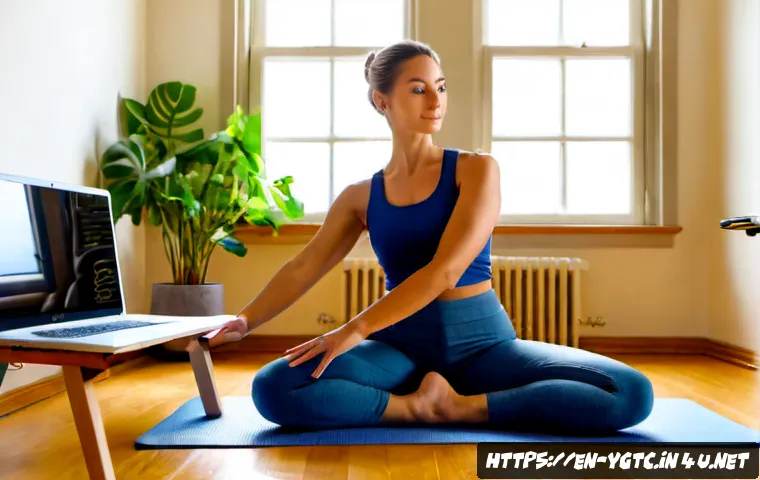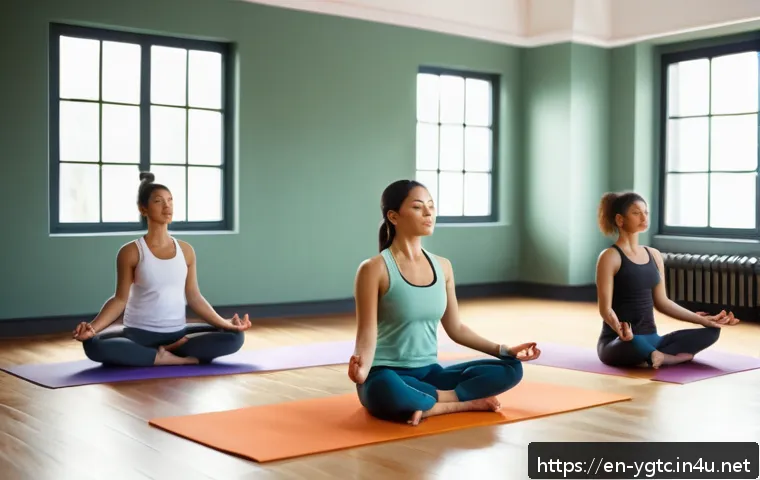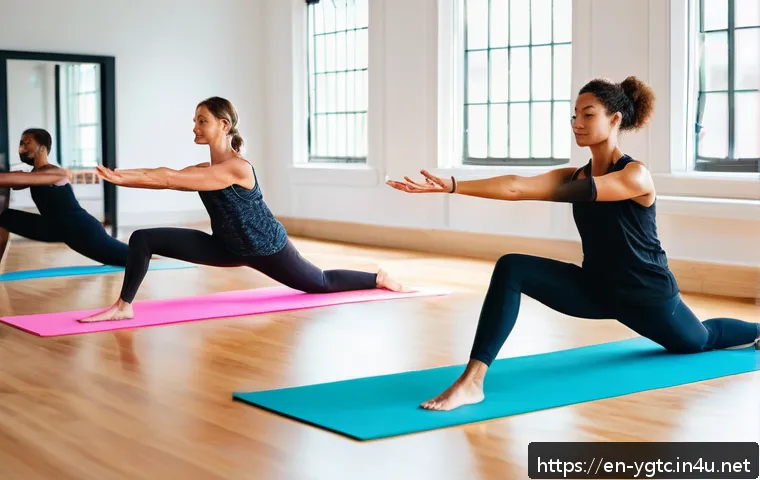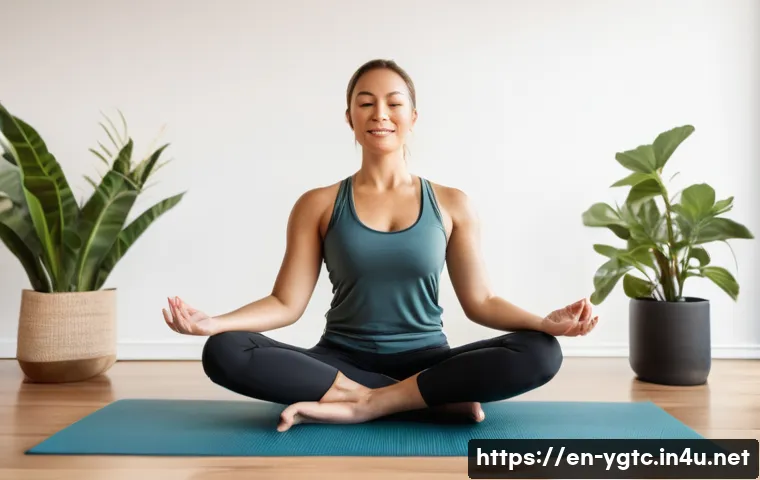
Teaching yoga goes beyond just guiding physical postures; it deeply connects with the mind and emotions. As a yoga instructor, understanding the psychological aspects can transform how you support your students’ growth and healing.
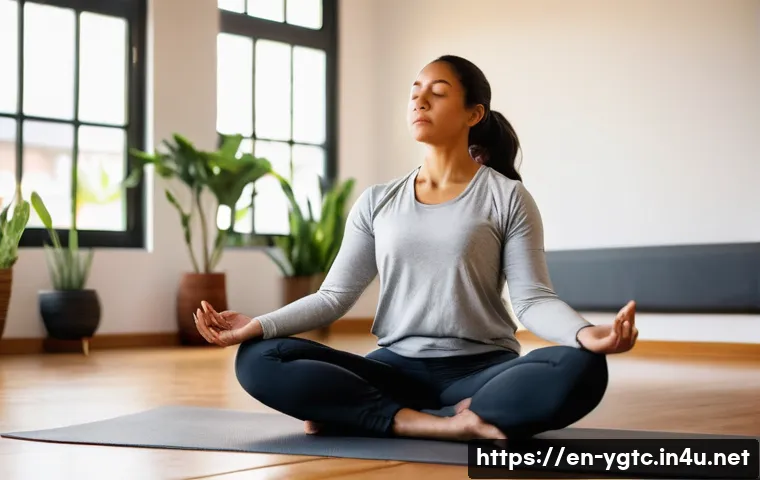
Integrating mindfulness and emotional awareness into your classes not only enriches the practice but also fosters a stronger, more empathetic community.
I’ve noticed firsthand how addressing mental well-being can elevate the entire yoga experience. Let’s dive into the essential role of psychological insight in yoga teaching and explore how it can enhance both instructor and student journeys.
We’ll get into the details below!
Understanding Emotional Landscapes in Yoga Practice
Recognizing Emotional Triggers During Practice
One of the most eye-opening experiences I’ve had as a yoga instructor is seeing how certain poses or breathing techniques can unexpectedly bring up deep-seated emotions for students.
It’s not uncommon for someone to enter a pose that loosens physical tension but simultaneously releases emotional stress or even tears. Learning to spot these emotional triggers is crucial.
It means being present and attentive, noticing subtle shifts in facial expressions, breath patterns, or body language. When you gently acknowledge these moments without judgment, you create a safe space for emotional exploration, which can be transformative for your students.
Supporting Emotional Release with Compassion
When emotions arise in class, the natural instinct might be to rush through or avoid the situation, but I’ve found that leaning into compassion changes everything.
Offering reassurance, a calm voice, or even a simple gesture like a hand on the shoulder can validate what a student is experiencing. Encouraging students to breathe through their emotions and reminding them that it’s okay to feel vulnerable nurtures trust and openness.
This compassionate approach not only helps students process their feelings but also strengthens the teacher-student connection, making the class more than just a physical workout.
Balancing Emotional Intensity with Grounding Techniques
Sometimes, emotions can feel overwhelming during practice, which might disrupt focus or even cause discomfort. Integrating grounding techniques such as mindful breathing, body scans, or guided visualization can help students regain their center.
I often incorporate these tools after challenging sequences or emotionally charged moments, allowing a gradual return to calm. Teaching students how to anchor themselves emotionally equips them with resilience, both on and off the mat, enhancing their overall well-being.
Incorporating Mindfulness to Deepen Connection
Bringing Awareness to Breath and Sensation
Mindfulness is the thread that weaves physical postures and emotional awareness together in yoga. Encouraging students to focus on their breath and bodily sensations cultivates presence, which can reduce anxiety and promote mental clarity.
In my experience, starting class with a short breath-awareness exercise sets the tone for mindful movement and emotional openness. It’s remarkable how just a few mindful breaths can shift the atmosphere, grounding the class in the present moment and fostering a collective sense of calm.
Using Mindfulness to Navigate Mental Challenges
Yoga isn’t just about flexibility or strength; it’s also a mental journey. Students often bring stress, self-doubt, or distraction into the room. Teaching mindfulness techniques helps them observe these mental challenges without getting entangled.
I guide students to notice wandering thoughts or self-criticism as passing clouds rather than facts. This subtle shift in perspective can reduce emotional reactivity and build a more compassionate inner dialogue.
Over time, mindfulness becomes a powerful tool for managing life’s ups and downs.
Creating Mindful Rituals Within Class Structure
Embedding small mindful rituals throughout the class—like setting an intention, pausing between poses, or ending with a quiet reflection—enhances the practice’s emotional depth.
These rituals encourage students to check in with themselves regularly, fostering self-awareness and emotional regulation. I’ve found that when students engage in these moments consistently, they start to carry mindfulness into their daily lives, improving overall mental health and stress management.
Building Empathy Through Active Listening
The Power of Listening Beyond Words
Active listening isn’t just about hearing what students say; it’s about tuning into what they don’t say—their body language, tone, and energy. As a yoga teacher, I’ve learned that sometimes a student’s silence or hesitation can reveal more than their spoken words.
Being fully present during conversations or check-ins helps build empathy and trust. When students feel genuinely heard, they are more likely to open up about their struggles, allowing me to tailor support that meets their emotional needs.
Responding with Sensitivity and Validation
Once you understand your students’ emotional states, responding with sensitivity is key. I try to avoid generic reassurances and instead offer responses that acknowledge their unique experience.
Saying things like, “It sounds like that was really tough for you,” or “I appreciate you sharing that with me,” can validate feelings and encourage further sharing.
This approach fosters a nurturing environment where emotional healing is supported alongside physical practice.
Encouraging Peer Support and Community
Empathy within a yoga class extends beyond the teacher-student relationship. Facilitating opportunities for students to share experiences or support one another can create a powerful sense of community.
Group discussions, partner exercises, or simply encouraging kind interactions help build connections rooted in understanding and compassion. I’ve seen firsthand how this collective empathy lifts everyone’s practice, making the yoga space a refuge for emotional as well as physical growth.
Integrating Psychological Principles into Yoga Sequencing
Designing Classes That Address Stress and Anxiety
Understanding how stress and anxiety manifest in the body allows instructors to design sequences that specifically target these issues. Gentle, restorative poses paired with calming breathwork can activate the parasympathetic nervous system, helping students relax deeply.
In my classes, I often include forward bends, supported twists, and long-held stretches combined with slow, diaphragmatic breathing to soothe the nervous system.
This intentional sequencing not only enhances relaxation but also builds resilience against daily stressors.
Incorporating Cognitive Behavioral Techniques
Some psychological strategies, like cognitive behavioral techniques (CBT), can be subtly woven into yoga instruction. For example, encouraging positive affirmations during challenging poses or reframing negative self-talk helps students build mental strength.
I’ve noticed that guiding students to replace “I can’t” with “I’m learning” during practice significantly boosts confidence and motivation. This blend of mind and body work promotes a healthier mindset that extends beyond the mat.
Utilizing Visualization and Guided Imagery
Visualization is a powerful tool for emotional regulation and mental clarity. Leading students through guided imagery—such as imagining a peaceful place or visualizing breath flowing through tension—can deepen relaxation and focus.
I frequently use these techniques during savasana or meditation portions of class, and they seem to help students access a calm, centered state quickly.
Incorporating visualization enhances the psychological benefits of yoga and supports emotional healing.
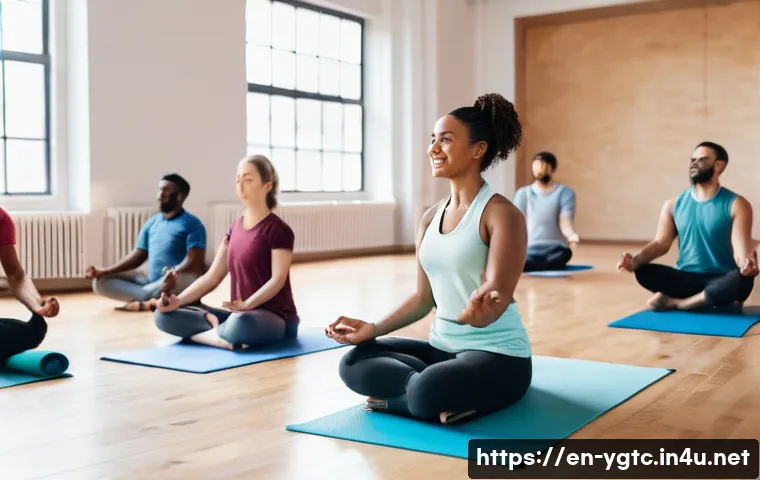
Fostering Emotional Intelligence in Students
Teaching Awareness of Emotional States
Helping students identify and name their emotions during practice is a foundational step toward emotional intelligence. I encourage check-ins where students silently or verbally acknowledge how they feel at different points in class.
This practice of emotional labeling increases self-awareness and helps prevent overwhelming feelings from building up unnoticed. Over time, students become more attuned to their internal landscape, which supports healthier emotional processing.
Promoting Self-Regulation Through Breath and Movement
Emotional intelligence isn’t just about recognizing feelings; it’s about managing them effectively. Breath control exercises and mindful movement teach students how to calm their nervous system when emotions run high.
For instance, I guide students through slow, deep breathing or grounding poses like mountain or child’s pose to regain composure. These tools empower students to self-regulate, reducing impulsive reactions and promoting emotional balance.
Encouraging Reflection and Journaling Outside Class
To deepen emotional intelligence, I often suggest that students reflect on their yoga experience through journaling. Writing about what emotions surfaced, what challenges arose, or what insights they gained extends the learning beyond the studio.
This practice cultivates ongoing self-discovery and emotional growth. Many students have shared that journaling after class helps them integrate their experiences and recognize patterns in their emotional responses.
Creating a Safe Space for Vulnerability
Establishing Clear Boundaries and Confidentiality
Vulnerability flourishes best in an environment where safety and trust are paramount. Setting clear boundaries about what is shared in class and emphasizing confidentiality builds that trust.
I make it a point to explain that anything discussed or revealed during class stays within the group, which encourages openness. This foundation of respect reassures students that their emotional experiences will be honored and protected.
Modeling Authenticity as an Instructor
Showing vulnerability myself has been one of the most powerful ways to encourage students to do the same. When I share my own challenges or emotional experiences (appropriately and briefly), it normalizes the ups and downs of the human experience.
This authenticity creates a deeper connection and inspires students to embrace their own emotions without shame. It’s a reminder that yoga is a shared journey of growth and healing.
Encouraging Non-Judgmental Acceptance
A critical element of a safe space is fostering non-judgmental acceptance. Reminding students that all emotions are valid and that there’s no “right” way to feel creates freedom.
I often use affirming language such as, “It’s okay to feel whatever comes up,” or “There’s no need to push or resist your experience.” This acceptance invites curiosity and compassion, allowing emotional healing to unfold naturally.
Psychological Tools to Enhance Teacher Resilience
Managing Emotional Boundaries to Prevent Burnout
Teaching emotional yoga can be incredibly rewarding but also draining if boundaries aren’t maintained. I’ve learned the hard way that it’s important to protect my own emotional energy.
Setting limits on how much personal sharing I engage in and maintaining professional boundaries help prevent burnout. Regular self-care practices, like personal yoga and meditation, keep me grounded and replenished to show up fully for my students.
Using Reflective Practices for Continuous Growth
Reflecting on my teaching experiences—both successes and challenges—helps me grow as an instructor and emotional guide. Journaling about classes, seeking feedback, and discussing with peers provide valuable insights.
This ongoing self-awareness improves my ability to hold space for students and respond skillfully to emotional dynamics. Growth as a teacher mirrors the growth we encourage in our students.
Seeking Support and Professional Development
Sometimes, supporting students’ emotional journeys requires additional expertise. I’ve found that collaborating with mental health professionals or pursuing specialized training in trauma-informed yoga enhances my skills and confidence.
Knowing when to refer students to appropriate resources is also vital for responsible teaching. Prioritizing my own education and support network ensures that I can provide safe, effective guidance for emotional well-being.
| Psychological Aspect | Yoga Technique | Student Benefit | Instructor Role |
|---|---|---|---|
| Emotional Triggers | Gentle poses and breath awareness | Safe emotional release | Observe and offer compassionate support |
| Mindfulness | Breath-focused meditation and pauses | Increased presence and reduced anxiety | Guide and model mindful awareness |
| Empathy | Active listening and group sharing | Stronger community and trust | Facilitate safe space and validate feelings |
| Stress Relief | Restorative sequences and breath control | Parasympathetic activation and calm | Design intentional sequences |
| Emotional Intelligence | Emotional check-ins and journaling | Better self-awareness and regulation | Encourage reflection and emotional naming |
| Teacher Resilience | Self-care and professional development | Prevent burnout and enhance skills | Maintain boundaries and seek support |
Concluding Thoughts
Yoga is much more than physical exercise; it’s a profound journey through emotional landscapes that invites healing and growth. By blending mindfulness, empathy, and psychological insight, both students and instructors can deepen their connection to themselves and others. Embracing vulnerability and compassion transforms the practice into a sanctuary for emotional well-being. Ultimately, this holistic approach enriches every aspect of the yoga experience.
Useful Information to Keep in Mind
1. Recognizing emotional triggers during yoga can lead to powerful personal breakthroughs when approached with gentle awareness.
2. Compassionate support from instructors helps students feel safe to explore and release emotions without fear of judgment.
3. Mindfulness techniques, such as breath awareness and pauses, enhance presence and reduce anxiety throughout the practice.
4. Building empathy within the class community fosters trust and encourages emotional sharing among students.
5. Integrating psychological tools like cognitive behavioral approaches and journaling supports lasting emotional intelligence beyond the mat.
Key Takeaways
Creating a safe and compassionate yoga environment is essential for emotional healing and growth. Instructors must balance attentiveness to students’ emotional needs with maintaining healthy personal boundaries to prevent burnout. Mindfulness and psychological principles enrich yoga practice by promoting self-awareness and resilience. Encouraging reflection and community connection strengthens both individual and collective well-being. Ultimately, emotional intelligence and empathy are foundational to a transformative yoga experience that supports lasting mental and physical health.
Frequently Asked Questions (FAQ) 📖
Q: How can incorporating psychological insight improve my effectiveness as a yoga instructor?
A: When you understand the psychological aspects of yoga, you move beyond just teaching poses—you start addressing your students’ emotional and mental needs too.
This deeper connection helps you tailor your classes to reduce stress, anxiety, or emotional blockages, making the practice more meaningful. From my experience, students become more engaged and open, which creates a supportive atmosphere that encourages healing and personal growth.
Q: What are some practical ways to include mindfulness and emotional awareness in yoga classes?
A: Simple techniques like guided breathing exercises, body scans, or short meditation moments can seamlessly blend into any session. Encouraging students to notice their feelings without judgment during poses fosters emotional awareness.
I’ve found that even a few minutes of mindful reflection before or after practice can make a huge difference in how students connect with themselves and the group.
Q: How do psychological insights help build a stronger yoga community?
A: When you acknowledge the mind-body connection and openly support emotional well-being, students feel seen and understood. This empathy nurtures trust and openness, which are the foundation of any strong community.
From my personal teaching journey, classes where emotional awareness is prioritized naturally evolve into safe spaces where people share, support, and grow together beyond the mat.